Bangkok has more Muay Thai gyms than anywhere else on earth. Here are the best training options for visitors and expats — from traditional Thai camps to modern training centres — with honest guidance on what to expect.
Bangkok has more Muay Thai gyms per square kilometre than anywhere else in Thailand — possibly anywhere else on the planet. For visitors wanting to train the national sport in its home city, the challenge isn't finding a gym; it's knowing which ones are worth your time and which are tourist traps charging western prices for watered-down sessions. This guide cuts through the noise.
What Makes a Bangkok Muay Thai Gym Worth Training At
Bangkok's Muay Thai scene splits into three distinct categories, each suited to a different kind of visitor.
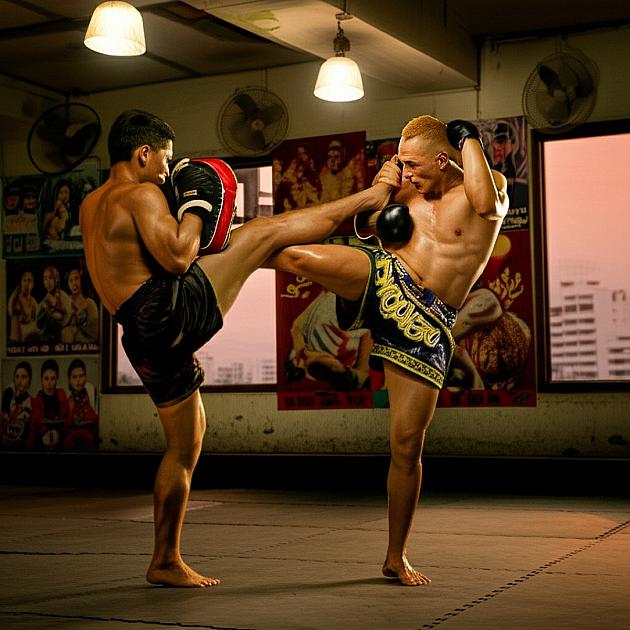
Traditional Thai camps are run by former fighters or established gym families. Sessions follow a structured pattern — skipping, shadowboxing, bag work, pad rounds, and sparring — and instruction is in Thai with limited English. These gyms produce professional fighters and take training seriously. The environment is no-frills and the instruction is excellent if you can follow along.
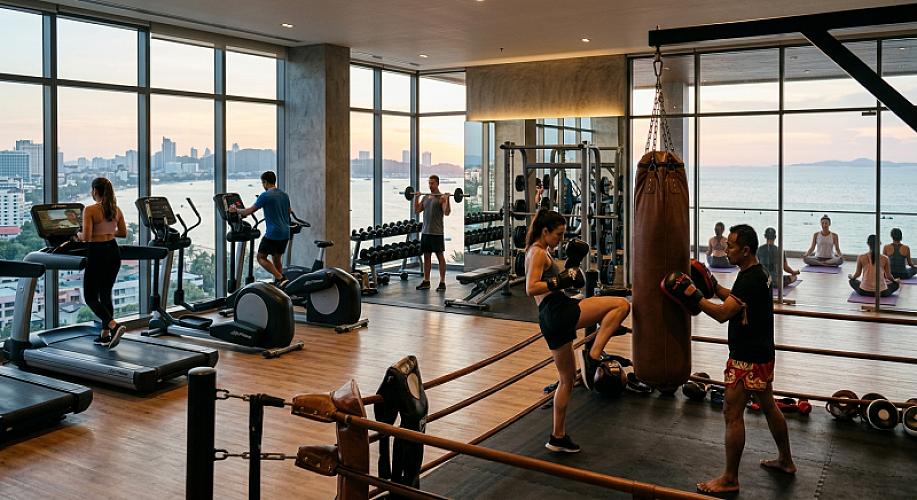
Modern training centres combine traditional Muay Thai with western coaching standards: English-speaking trainers, structured curricula for beginners, air-conditioned changing rooms. They cater to expats and longer-term visitors. Class sizes are larger but the experience is more accessible.
Tourist gyms sit near backpacker areas and offer daily drop-in sessions to anyone regardless of fitness or experience. Instruction quality varies. These work fine for a one-off experience but aren't where serious training happens.
Top Muay Thai Gyms in Bangkok
Khongsittha Muay Thai
Khongsittha Muay Thai is one of Bangkok's most respected gyms for non-Thai visitors who want genuine training. Located in a traditional Thai-style facility, it operates morning and evening sessions six days a week. The trainers are former professional fighters and instruction is hands-on. Long-term trainees rate it highly for consistent pad work quality.
Bangkok Fight Lab
Bangkok Fight Lab runs structured classes across multiple disciplines including Muay Thai, boxing, and MMA. The facility is modern and well-equipped with a full ring, heavy bags, and dedicated areas for strength and conditioning. Suitable for all levels including complete beginners.
Elite Fight Club
Elite Fight Club is a training centre with a strong reputation among Bangkok's expat community. It offers Muay Thai alongside other combat sports, with English-speaking coaches and flexible membership options. The gym has a ring and a full bag area, and runs both group classes and private sessions.
Muay Thai Academy MTA
Muay Thai Academy MTA focuses on authentic Thai boxing technique. The instructors are former stadium fighters and the training methodology is traditional, covering all eight limbs: punches, kicks, elbows, and knees. This is a good choice if your priority is skill development over fitness-class atmosphere.
Bangkok Boxing Club
Bangkok Boxing Club offers both western boxing and Muay Thai training. For visitors who want to train both disciplines during a Bangkok stay, having both under one roof is convenient. The gym is centrally located and runs sessions throughout the day.
BX12 Boxing Gym
BX12 Boxing Gym is a well-regarded boxing and Muay Thai gym in Bangkok. Clean facility, professional equipment, and a mix of locals and expats training together. Multiple session times accommodate both morning and evening schedules.
GAOYOD Thai Boxing Gym
GAOYOD Thai Boxing Gym is a traditional camp with deep roots in Bangkok's fight scene. The gym trains professional fighters and also accepts recreational trainees. Sessions here are authentic — expect a hard workout in a no-frills environment alongside fighters preparing for bouts.
Lion's Head Boxing Academy Rama IV
Lion's Head Boxing Academy Rama IV on Rama IV Road is a well-established gym covering Muay Thai and boxing. Reasonable pricing, professional trainers, and accessible location. Popular with the local expat community.
The Box Thailand Boxing Academy
The Box Thailand Boxing Academy offers structured training camps alongside regular classes, making it a solid option for visitors wanting an immersive training experience during a Bangkok stay rather than just drop-in sessions.
Bangkok vs Phuket for Muay Thai Training
This comparison comes up constantly, and the honest answer is that they suit different trips rather than one being objectively better. If you're planning a dedicated training camp with accommodation, Phuket's camps — which typically include housing, meals, and daily sessions — offer a more complete experience. Bangkok is better suited to visitors who want to train daily while also using the city: working remotely, doing business, or exploring between sessions.
Bangkok's gym density is higher, but gym quality varies more widely. Phuket's training camp scene has been refined by years of international visitors and the quality floor is higher. For a breakdown of how the cities compare on fitness offerings, see our Thailand fitness cities comparison.
The full Bangkok fitness guide covers gym types beyond Muay Thai, including CrossFit boxes, yoga studios, and strength facilities across the city.
Practical Details: Training in Bangkok
Cost
Daily drop-in sessions at Bangkok Muay Thai gyms typically run 400–700 THB. Monthly memberships range from 3,000 to 7,000 THB depending on the gym and whether sessions are unlimited or capped. Private sessions with a trainer cost 500–1,000 THB per hour. These prices are generally lower than equivalent facilities in Phuket's tourist areas.
What to Bring
Most Bangkok gyms provide gloves and pads for drop-in sessions, but regular trainees invest in their own equipment quickly. Hand wraps are essential and inexpensive. If you're planning more than a few sessions, bringing or buying your own gloves in Bangkok is worthwhile — the selection is good and prices are lower than in western countries.
Session Structure
A standard Bangkok Muay Thai session runs 90 minutes to 2 hours. The structure is: 15–20 minutes of jumping rope, 10 minutes of shadowboxing, 30–40 minutes of bag work, 4–6 pad rounds with a trainer, and optional sparring at the end. Beginners typically skip the sparring until they've developed basic technique over several sessions.
Getting There
Bangkok's traffic makes gym location important. Training at a gym 45 minutes from your accommodation adds significant friction to showing up consistently. Prioritise gyms within BTS Skytrain or MRT distance of where you're staying. Most of the gyms listed above are accessible by public transport.
Language
English proficiency varies significantly between gyms. At traditional Thai camps, instructions during pad rounds are given through demonstration and touch rather than verbal explanation — pointing to the left leg means throw a left kick. Most newcomers adapt quickly. At modern training centres, English-speaking trainers are standard.
Training at Bangkok Stadiums
One experience unique to Bangkok is watching professional Muay Thai at the city's legendary stadiums. Lumpinee Stadium and Rajadamnern Stadium host bouts multiple nights per week, and watching live fights while you're actively training gives context that no YouTube video can match. Many Bangkok gyms have direct connections to stadiums and trainers who have fought there.
For visitors who want to watch Muay Thai fights rather than just train, see our guide to Muay Thai fight nights and stadiums, which covers the spectator experience in detail.
Training Intensity and Recovery
Bangkok's heat and humidity have a significant effect on training intensity, particularly for visitors not acclimatised to tropical conditions. A session that feels moderate in an air-conditioned gym will feel considerably harder in a traditional open-air facility during afternoon heat.
If you're comparing training intensity across disciplines, our article on Muay Thai vs CrossFit for fitness covers the physiological differences between the two approaches and helps set expectations for what each delivers.
First-Timers: What to Expect
If this is your first Muay Thai session anywhere, Bangkok's modern training centres are more forgiving entry points than traditional camps. The trainers at places like Bangkok Fight Lab and Elite Fight Club are experienced with beginners and will walk through basic technique before putting you on the pads.
Traditional camps assume some prior exposure — not professional-level experience, but enough to throw a basic jab-cross and understand how to use a heavy bag. Showing up to a traditional camp with zero background isn't a problem, but the instruction style is less hand-holding.
For context on what the first week of structured Muay Thai training looks like, the first week at a Muay Thai camp guide covers the experience in detail, though written for Phuket camp context.
Long-Term Training Options
For visitors staying in Bangkok for a month or longer, most gyms offer reduced monthly rates and some provide accommodation referrals in nearby areas. Training five or six days per week over a month produces genuine skill development, and Bangkok's gym quality supports it. The combination of multiple gyms, stadium access, and experienced professional trainers makes Bangkok a legitimate destination for sustained Muay Thai development — not just a tourist experience.
Bangkok's fitness scene extends well beyond Muay Thai. The Bangkok fitness guide covers the city's broader gym landscape for visitors planning a longer stay.
The RoamFit editorial team researches and maintains Thailand's fitness directory. We combine verified Google data, on-the-ground knowledge of gyms, Muay Thai camps and studios, and hands-on testing to help expats, health tourists and locals train anywhere in the country. Every guide is fact-checked against the listings in our directory.