Best Time of Year to Train in Phuket: A Month-by-Month Guide (2026)
Month-by-month guide to training in Phuket — best seasons for Muay Thai, triathlon, and yoga, with tips on weather, crowds, and local events.
Phuket has year-round training infrastructure. Gyms don't close, camps run daily, and the weather never drops to the point where outdoor training becomes impossible. But the conditions, crowds, and calendar vary enough across the year that when you visit matters. Here's a month-by-month breakdown.
Understanding Phuket's Two Seasons
Dry season (November – April): Lower humidity, clear skies, calmer seas. The island is busiest, accommodation is more expensive, and gym crowds peak. Training conditions are better — cooler mornings, less rain interrupting outdoor sessions. Wet season (May – October): Higher humidity, regular afternoon rain, occasional heavy storms. Training doesn't stop — gyms are indoors, and camps run full schedules — but outdoor running, cycling, and beach workouts are constrained. Accommodation is cheaper and the island is quieter. Neither season is "bad" for training. The choice depends on priorities.
Month by Month
November — December
Conditions: Start of dry season. Cooler temperatures (26–30°C), low humidity, clear skies. The best training conditions of the year begin here. Crowds: Building through December. Christmas/New Year period brings significant tourist volume; gyms and camps will be busy. Events: Laguna Phuket Marathon (typically November/December). Running groups and outdoor events ramp up. Verdict: Excellent for training. November is a sweet spot — conditions good, crowds not yet at peak. December is great for conditions but expensive and busy.
January — February
Conditions: Peak dry season. Comfortable mornings (24–28°C), low humidity, minimal rain. Best months for running and cycling outdoors. Crowds: High season peak. Gyms and camps at full capacity, especially around January. Accommodation prices at annual high. Events: IRONMAN 70.3 Phuket (typically late January). Significant triathlon community presence. Various fitness events and Muay Thai fights at local stadiums. Verdict: Best weather of the year for training. Busiest period — book gyms and accommodation well in advance. Worth it if conditions are your priority.
March — April
Conditions: Temperatures climbing (30–35°C by April). Still dry, but increasingly hot. Midday training becomes challenging; the early morning window shrinks. Crowds: Tapering from January peak. Still busy but manageable. Events: Songkran (Thai New Year, mid-April) — the entire island shuts down for several days. Plan around this if on a tight training schedule. April heat warning: April is Phuket's hottest month. Outdoor training beyond 9am is genuinely difficult. Double-session athletes will feel the strain. Verdict: Good for training if you adjust timing. April requires early starts and recovery discipline. Songkran disruption is real — check your gym's holiday schedule.
May — June
Conditions: Wet season begins. Humidity rises sharply; afternoon rain starts. Mornings remain clear and usable. Temperatures drop slightly from April peak. Crowds: Significant drop-off. Low season begins; gyms are quieter and rates more negotiable. Events: Fewer organised events. Local Muay Thai stadium fights continue. West coast surf conditions improve (good for visitors interested in surfing). Verdict: Good value training month. Quieter gyms, lower accommodation prices, and the morning window is still usable. Afternoon outdoor training plans need backup.
July — August
Conditions: Mid-wet season. Regular afternoon and evening rain, occasional storms. Mornings often clear. Humidity is high throughout. Crowds: Low season trough — some gyms run reduced foreign visitor numbers, though Thai and expat regulars continue training. Events: Limited major events. Local stadium fights ongoing. Verdict: Best value for money. Best period for serious training without tourist distractions. The heat and humidity of earlier months have passed; training in relative quiet with serious practitioners.
September — October
Conditions: Wettest months. Heavy rain possible, particularly September. Seas rough on west coast. Mornings often workable; afternoons can be unpredictable. Crowds: Lowest of the year. Some gyms operate at minimum staffing. Events: Very limited. Some gyms use this period for facility upgrades. Verdict: Best prices, quietest environment, most challenging weather. If you can adapt schedules around rain and don't mind a quieter island, the training quality at established gyms remains high. The rainy season fitness guide covers indoor alternatives in detail.
Picking Based on Training Goal
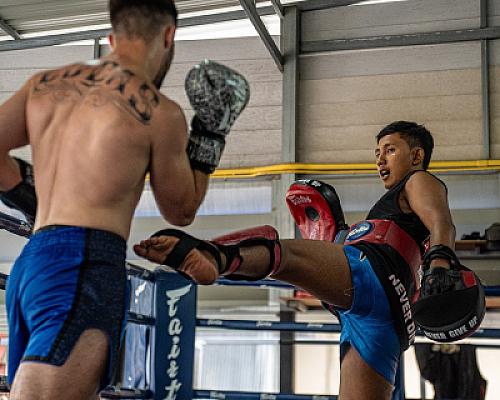
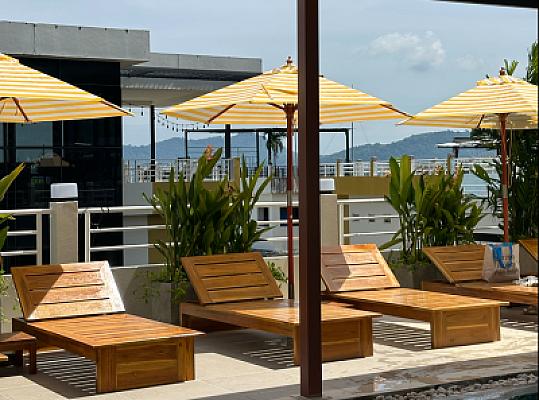
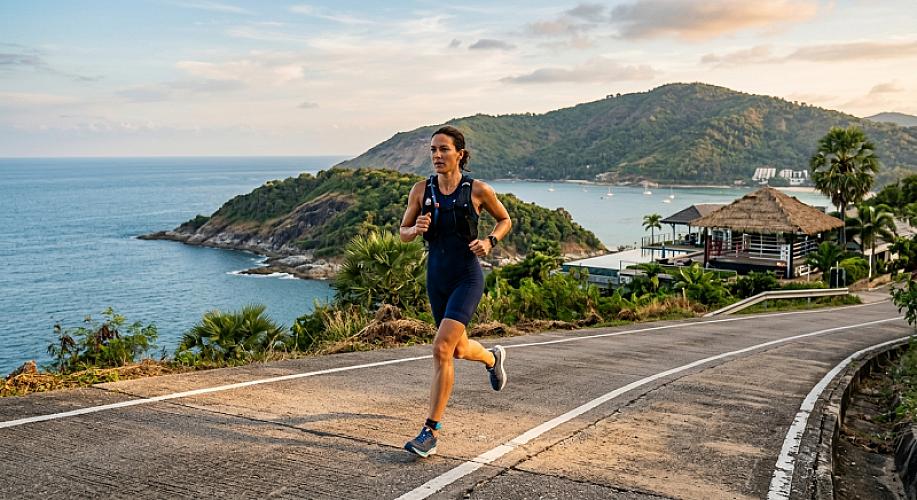
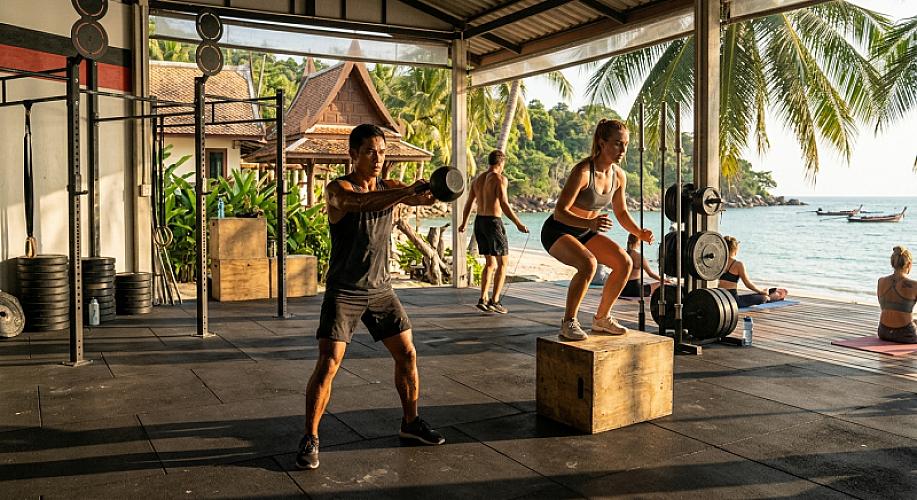
For Muay Thai camps: Any month works. The camps are built around training in heat and humidity. January–February for best conditions; July–August for best value and serious training atmosphere. For running and cycling: November–February. The morning window is longest and coolest; outdoor routes are usable without dangerous heat. For triathlon training: January (IRONMAN season), November–February for pool and open-water sessions. See the triathlon training guide for Thanyapura pool access year-round. For yoga and studio training: Season matters less — studios are air-conditioned or well-ventilated year-round. May–October offers better value and quieter classes. For twice-daily training blocks: November–March. The heat of April–May, combined with high twice-daily training volume, pushes the limits of what most people can sustain. See the double sessions guide for how to structure high-volume periods.
Price vs Conditions Trade-Off
| Period | Weather | Crowds | Price | Best For |
|---|---|---|---|---|
| Nov–Feb | ★★★★★ | ★★ busy | $$$ | Conditions, events |
| Mar–Apr | ★★★★ | ★★★ | $$ | Balance |
| May–Jun | ★★★ | ★★★★ | $ | Value |
| Jul–Aug | ★★★ | ★★★★★ quiet | $ | Value + serious training |
| Sep–Oct | ★★ | ★★★★★ quiet | $ | Budget, experienced athletes |
Running and cycling route options by season are covered in the running and cycling guide. For visitors choosing how long to stay relative to when they arrive, the trip planning guide covers 1-week to 1-month schedules.
The RoamFit editorial team researches and maintains Thailand's fitness directory. We combine verified Google data, on-the-ground knowledge of gyms, Muay Thai camps and studios, and hands-on testing to help expats, health tourists and locals train anywhere in the country. Every guide is fact-checked against the listings in our directory.