Best Yoga Studios in Chiang Mai: Complete Guide for Visitors and Practitioners
Chiang Mai is one of Southeast Asia's best cities for serious yoga practice — affordable, high-quality studios, excellent teacher training, and a city culture that genuinely supports the practice.
Chiang Mai has quietly become one of Southeast Asia's most serious yoga destinations. While Bali gets more of the marketing attention, Chiang Mai offers something that genuine practitioners often prefer: a city where yoga is embedded in daily life rather than packaged for Instagram. The combination of affordable studios, high teacher quality, and the broader wellness culture of northern Thailand makes it a compelling destination for dedicated practice.
Why Chiang Mai Works for Yoga
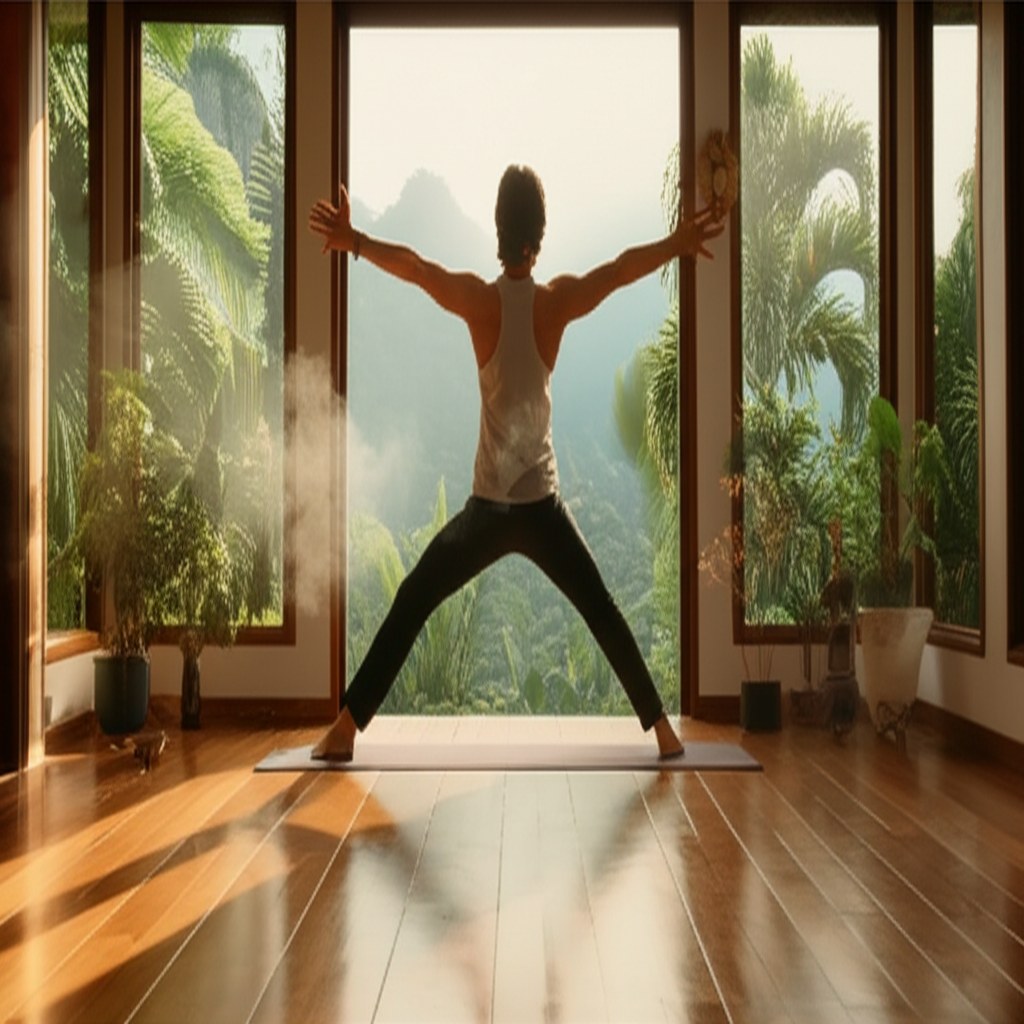
The city's appeal for yoga visitors comes from several converging factors. The weather in the dry season (November to February) is genuinely pleasant — cool mornings, warm afternoons, minimal humidity — making early morning practice outdoors or in open-sided studios comfortable in a way that Bangkok and Phuket rarely offer. The city's large community of long-term expats and digital nomads has created sustained demand for quality studios, which keeps standards high and prices competitive.
The spiritual infrastructure also matters. Chiang Mai has hundreds of Buddhist temples, and the city's cultural orientation toward mindfulness and contemplative practice creates an environment where yoga feels natural rather than imported. Many teachers here have trained in India for years rather than completed a 200-hour certification and opened a studio.
Best Yoga Studios in Chiang Mai
Yoga Tree Chiang Mai
Yoga Tree Chiang Mai is one of the city's most established studios, offering a broad range of classes from Hatha and Vinyasa to Yin and restorative practice. The studio has a calm, well-maintained space and draws both tourists and long-term residents. Drop-in classes and multi-class passes are available.
Wild Rose Yoga Studio
Wild Rose Yoga Studio is a boutique studio known for smaller class sizes and personalised instruction. The atmosphere is intimate rather than studio-scale, which suits practitioners who want more than a fitness class. The teaching quality is consistently rated highly by regular visitors.
Freedom Yoga
Freedom Yoga offers dynamic Vinyasa and power yoga alongside slower practices. It attracts an active, fitness-oriented crowd and is a good fit for practitioners who want the physical challenge of movement-based yoga rather than primarily restorative work. The studio is well-equipped and centrally located.
SORA Yoga Studio
SORA Yoga Studio brings a Japanese-influenced aesthetic to Chiang Mai's yoga scene — clean lines, minimal decor, precise instruction. The studio focuses on alignment and technique rather than flow, making it a good choice for practitioners wanting to refine their practice.
Chiangmai Yoga
Chiangmai Yoga is one of the more community-oriented studios in the city, with a schedule designed around both visitors and residents. Classes run throughout the day and the style mix covers most preferences. The pricing is accessible without compromising on teacher quality.
Yoga Ananda
Yoga Ananda focuses on traditional yoga lineages rather than contemporary fitness adaptations. If your interest is in yoga as a complete practice — including pranayama, meditation, and philosophy — rather than primarily as physical exercise, this studio's orientation aligns with that.
Om Ganesha Yoga
Om Ganesha Yoga takes an Indian yoga tradition approach in a northern Thai setting. The teachers have backgrounds in traditional lineages and the class structure reflects that. Good for practitioners who've felt that most modern yoga studios have drifted too far from the source.
Chiang Mai Wellness Retreat
Chiang Mai Wellness Retreat combines yoga with the broader wellness offerings that Chiang Mai does well: herbal steam baths, traditional Thai massage, and meditation. For visitors wanting a complete recovery-and-practice experience rather than just a studio schedule, this kind of integrated offering is harder to find in more urban environments.
Yoga Teacher Training in Chiang Mai
Chiang Mai is a legitimate destination for yoga teacher training, with several studios offering 200-hour and 300-hour RYT-accredited programs. Costs are substantially lower than equivalent programs in Europe or North America, and the immersive environment — staying in the city while training daily — produces genuine development rather than the accelerated-certification format that's become common in western markets.
If teacher training is your goal, look for programs that run four to six weeks rather than intensive two-week formats. The difference in depth is significant. Most reputable Chiang Mai studios offering training have direct lineage connections to Indian or Thai yoga traditions rather than purely commercial affiliations.
Yoga Retreats vs Studio Drop-Ins
Chiang Mai supports both approaches, and the right choice depends on how you're structuring your stay. Studio drop-ins suit visitors who are in the city for other reasons — working, exploring, combining with other activities — and want to maintain a daily practice alongside that. Retreats suit visitors for whom the practice itself is the primary purpose of the trip.
The retreat model in Chiang Mai typically includes accommodation in the mountains north of the city (Doi Suthep area or further into the hills), morning and evening practice sessions, vegetarian meals, and optional excursions to temples and nature areas. These retreats run from three days to two weeks and the pricing reflects the accommodation standard.
Combining Yoga with Other Training
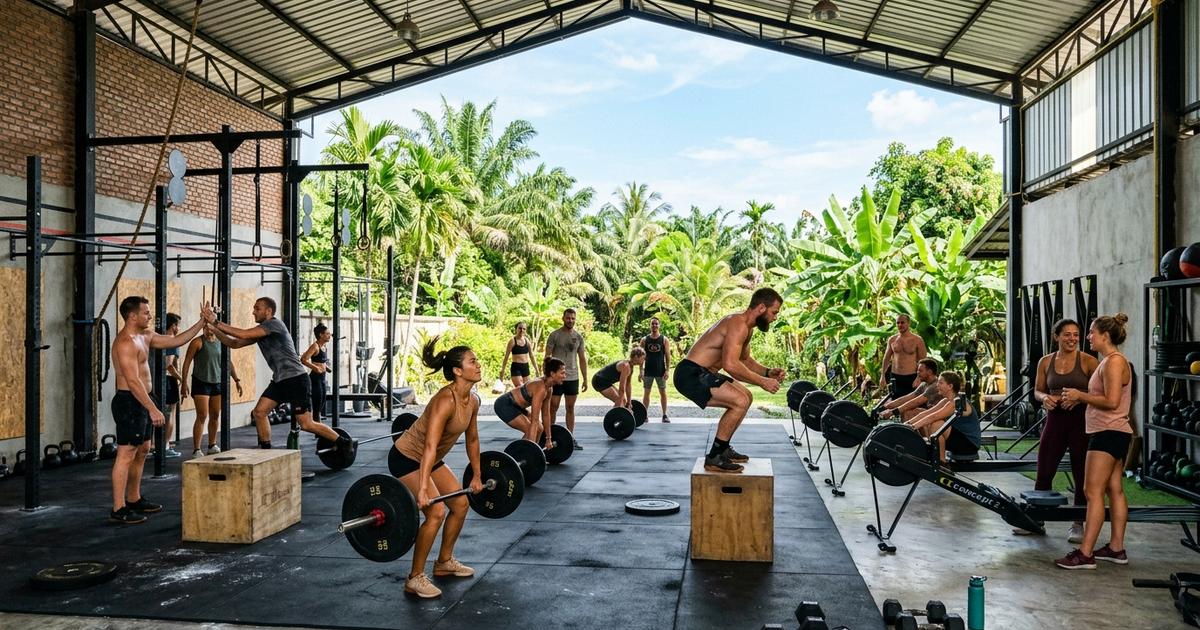
Chiang Mai's gym and fitness scene is broad enough to support combining yoga with other training. Many visitors to the city maintain a morning yoga practice alongside afternoon Muay Thai sessions, CrossFit, or strength training. The city's fitness infrastructure supports this kind of varied approach.
For the full picture of Chiang Mai's fitness options beyond yoga, see the Chiang Mai fitness guide. For a broader comparison of Thailand's cities as fitness destinations, the Thailand fitness cities comparison covers each city's distinct character.
Practical Information
Cost
Drop-in yoga classes in Chiang Mai typically run 200–350 THB per session. Ten-class passes drop the per-class cost to 180–280 THB. Monthly unlimited memberships at most studios run 2,000–3,500 THB. These prices are roughly half what equivalent studios charge in Phuket's tourist areas and a fraction of western studio pricing.
Best Areas for Yoga Studios
Most of Chiang Mai's quality yoga studios cluster in the Nimman area (Nimmanhaemin Road and surroundings), the Old City, and the Santitham neighbourhood. All three areas are walkable or easily reached by Grab. The Nimman area in particular has the highest density of studios alongside the city's cafe and coworking culture.
When to Go
November to February is peak season for good reason: the weather is at its most pleasant, outdoor and open-sided studios are comfortable, and the city is at its liveliest. March and April bring smoke season from agricultural burning in the region — air quality can be poor and outdoor practice becomes less appealing. May through October is hot and rainy, which suits indoor studio practice but deters some visitors.
What to Expect as a First-Timer
Chiang Mai studios welcome beginners without the self-consciousness that can characterise western studios. Thai yoga culture is genuinely inclusive — showing up uncertain about poses or with limited flexibility is not unusual and teachers don't make it an issue. Most studios offer a beginner orientation or simply pair first-timers with more experienced practitioners naturally.
Beyond the Studio: Yoga in Nature
One of Chiang Mai's distinctive offerings is the ability to practice in genuinely beautiful natural settings. Several studios organise outdoor sessions at Doi Suthep-Pui National Park, private gardens, and temple grounds. These aren't gimmick sessions — they're legitimate practice in environments that the city's broader wellness culture makes possible.
The sound healing and meditation scene in northern Thailand has parallels with the yoga community and the crossover is significant. The sound healing and meditation guide covers that adjacent space for visitors interested in the full wellness offering.