Digital Nomad Fitness Guide for Chiang Mai: Best Gyms, Costs, and Training Tips
Chiang Mai is one of the best cities in Southeast Asia for nomads who take fitness seriously — low costs, high quality, and infrastructure built for long-term residents rather than short-term tourists.
Chiang Mai has been a digital nomad hub for over a decade, and its fitness infrastructure has evolved alongside that community. The city now supports consistent, serious training at a price point that makes daily gym attendance genuinely sustainable on remote work income. For nomads who treat fitness as non-negotiable regardless of where they're working from, Chiang Mai is one of the easiest cities in Southeast Asia to maintain that standard.
Why Chiang Mai Works for Nomad Fitness
The combination of factors that makes Chiang Mai attractive for remote workers also makes it work for fitness. Cost is the most obvious: gym memberships, personal training, yoga classes, and sports massage are all priced for a market where 2,000–4,000 THB monthly on fitness is a realistic budget rather than a significant expense. Quality is high because the sustained demand from long-term residents has driven it up — Chiang Mai has been filtering out mediocre gyms for years.
The city's layout helps too. The Nimman area and the Old City have the highest density of both coworking spaces and fitness facilities, which means a nomad can walk between their desk and their gym without significant transit time. In Bangkok or Phuket, commuting to a good gym can consume as much time as the workout itself.
The weather in the dry season (November to February) is genuinely the best in Thailand for training: cool mornings suitable for running or outdoor exercise, moderate afternoons, low humidity. March to May brings smoke season, which affects outdoor exercise, but indoor facilities are unaffected.
Gyms and Training Facilities
Iron Temple Gym
Iron Temple Gym is one of Chiang Mai's most respected strength and conditioning facilities. The gym is well-equipped for serious lifting — full powerlifting setup, racks, platforms — and attracts a community of strength athletes alongside the general fitness crowd. For nomads who prioritise barbell training, Iron Temple is the standard recommendation from long-term Chiang Mai residents.
CrossFit Chiang Mai
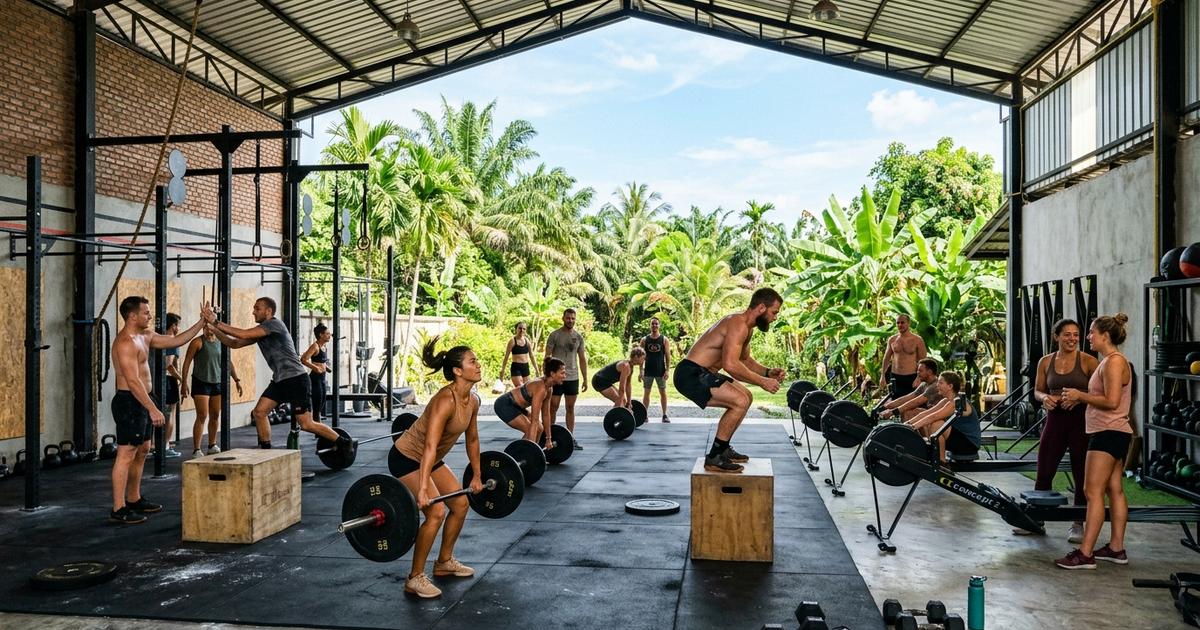
CrossFit Chiang Mai offers structured WODs and a community environment that suits nomads who want accountability alongside programming variety. The box has a regular schedule, experienced coaches, and a mix of local and international athletes. Drop-in rates are available for short stays; monthly memberships are cost-effective for stays of three weeks or more.
Chiang Mai Muay Thai Gym
Chiang Mai Muay Thai Gym offers Muay Thai training for all levels. For nomads who want to learn a skill alongside maintaining fitness — rather than just lifting weights in a different country — Muay Thai provides that. Chiang Mai's Muay Thai scene is less tourist-saturated than Phuket's, which means more genuine training environments and lower prices.
GoGym
GoGym is a well-regarded fitness centre with a broad class schedule covering weights, cardio, and group fitness. The pricing is accessible and the facilities are modern. Good for nomads who want flexibility — different workout types on different days — rather than a single-discipline commitment.
Maxx Professional Fitness
Maxx Professional Fitness offers a professional gym environment with quality equipment and personal training options. For nomads whose fitness goals include specific strength or physique targets rather than just general conditioning, a gym with structured personal training support accelerates progress during a fixed-length stay.
The Wall Fitness
The Wall Fitness provides a solid training environment with a community feel. The facility covers the core requirements for a comprehensive training programme and the membership pricing suits the nomad model of month-to-month stays.
InCome Gym and IC Muay Thai
InCome Gym and IC Muay Thai combines a general fitness gym with Muay Thai training under one roof. For nomads who want both strength work and combat sport skill development without maintaining memberships at two separate facilities, a combined setup is more practical. The dual offering at a single location simplifies the logistics of a varied training schedule.
Building a Training Schedule Around Work
The nomad constraint — that training has to fit around client calls, project deadlines, and variable work hours — actually suits Chiang Mai's gym culture well. Most facilities here have morning, midday, and evening options rather than the restricted peak-time model of western gyms.
A practical nomad training schedule in Chiang Mai: morning sessions before the coworking space fills up, taking advantage of the cooler temperatures. Yoga or mobility work in the afternoon if work permits. Muay Thai in the early evening when the heat has dropped. Rest and recovery built in rather than bolted on.
For nomads who work European or American time zones, the reversed schedule (late nights working, late mornings training) also works — Chiang Mai's gyms tend to have midday availability that many cities lack.
Recovery Infrastructure
Consistent training requires consistent recovery, and Chiang Mai's massage culture supports it. Traditional Thai massage runs 200–350 THB per hour at reputable shops — at that price, weekly massage sessions are a sustainable recovery tool rather than an occasional luxury. Sports massage with certified therapists runs higher but is still well below western pricing.
The city's yoga scene complements strength and combat training with genuine recovery work. A weekly Yin yoga session at any of the established studios significantly improves how hard training weeks feel physically. The Chiang Mai yoga guide covers the best studios for this.
Costs: What to Budget
Monthly gym membership at a quality Chiang Mai facility: 800–2,000 THB. CrossFit unlimited: 2,500–3,500 THB. Muay Thai training, five sessions per week: 3,000–5,000 THB monthly. Personal training: 400–700 THB per session. Traditional Thai massage, weekly: 800–1,400 THB monthly. Total for a serious training routine: 3,000–8,000 THB per month, depending on discipline mix.
These figures make Chiang Mai one of the most cost-effective cities in the world for maintaining a serious fitness practice. The equivalent package in Singapore, Tokyo, or London would cost five to ten times as much.
Chiang Mai vs Other Thailand Cities for Nomad Fitness
The comparison to consider is primarily Chiang Mai vs Bangkok vs Phuket. Bangkok has more facilities but higher costs and more transit friction. Phuket has world-class Muay Thai camps but is oriented around short training trips rather than sustained nomad stays, and the island lifestyle adds cost. Chiang Mai sits in the best position for long-term nomad training: lower cost than both, better weather than both for most of the year, and a fitness community that's been shaped by long-term residents rather than two-week visitors.
For a full comparison across Thailand's main fitness destinations, see the Thailand fitness cities comparison. The full Chiang Mai fitness guide covers the broader landscape beyond what's listed here.