Fitness Retreats in Phuket: What's Available, What's Included, and Who They Suit
A guide to fitness retreats in Phuket, covering yoga, Muay Thai, and wellness programs, including costs and how to choose.
Phuket has a saturated fitness retreat market. A Google search returns dozens of options, and the quality gap between the good ones and the overpriced ones is significant. Before spending 30,000-80,000 THB on a week away, it is worth understanding what the different retreat types actually offer and where the value is. If you are also considering fitness in Koh Samui, the same principles apply.
Types of Fitness Retreats in Phuket
Retreats in Phuket broadly fall into a few categories: yoga and mindfulness retreats, Muay Thai training camps with accommodation packages, and broader wellness retreats that combine multiple disciplines. Each attracts a different kind of person and delivers a different experience.
Muay Thai Camps with Accommodation
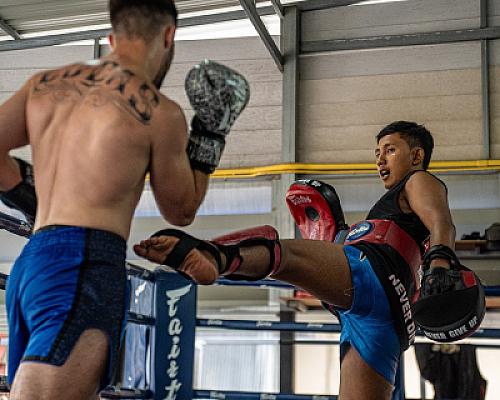
The established Muay Thai camps in Rawai and Chalong offer residential training packages that function as de facto retreats. Tiger Muay Thai, Rawai Muay Thai, and Suwit Muay Thai all have accommodation options or partnerships with nearby hotels and guesthouses. A typical week-long package includes twice-daily training sessions, access to gym facilities, and sometimes a meal plan. Prices for a full week with basic on-site accommodation run 8,000-18,000 THB at mid-tier camps.
What you get is real Muay Thai instruction at a serious facility. What you do not necessarily get is the "retreat" experience in the wellness sense: there is no guided meditation, no nature programming, no emphasis on rest and recovery. These work well for people whose fitness goal is Muay Thai specifically and who want to be surrounded by other people with the same focus.
Yoga Retreats
The Yoga Retreat at Santhiya (Koh Yao Noi)
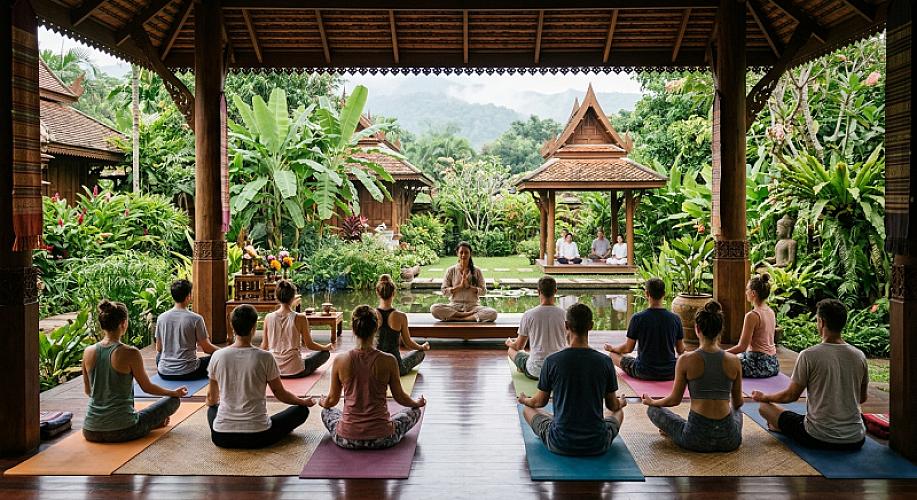
Technically just off the coast of Phuket (accessible by speedboat), Santhiya runs yoga retreats that are properly immersive. The setting is removed from Phuket's tourist infrastructure, which is a genuine advantage if you want to disconnect. Week-long retreats including accommodation, daily yoga sessions (usually two per day), and meals run 35,000-60,000 THB per person depending on room category and seasonality.
Phuket-Based Yoga Retreats
Several yoga studios in Rawai and Kata run periodic retreat programs, often 3-5 days and more accessible in price. Studios like Yoga Phuket (Rawai area) and various Airbnb-hosted retreat formats run programs in the 8,000-20,000 THB range for a weekend or mid-week format. The accommodations are typically basic (guesthouses or simple villa rooms) but the instruction quality at the better studios is solid.
For people who want to deepen a yoga practice without the spa-resort pricing, a short retreat at a studio-run program is often the most efficient option.
Wellness Retreats with Multiple Disciplines
SHA Wellness (Phuket Specific Programs)
Several Phuket luxury properties (Amatara Welleisure Resort in Cape Panwa, and Rosewood Phuket) run multi-day wellness programs that combine fitness, nutrition consultation, spa treatments, and structured daily schedules. These are comprehensive but expensive: week-long programs start at 70,000-120,000 THB per person and can go significantly higher at the top-end properties. The target audience is people who want a medically-supervised reset with genuine program depth, not just daily yoga and a nice room.
Mid-Range Wellness Programs
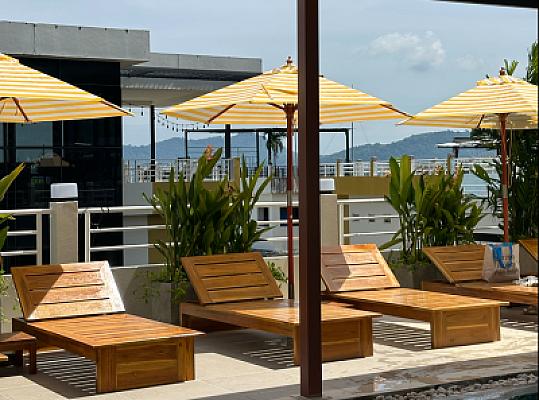
Properties like The Slate in Mai Khao and several smaller Rawai-area boutique hotels offer shorter wellness packages at more accessible pricing. A 3-day program with two yoga sessions per day, one massage, healthy meals, and access to fitness facilities might run 12,000-20,000 THB including accommodation at a mid-range property. These suit people who want structure without the luxury pricing.
What to Look for When Evaluating a Retreat
Instructor Credentials
For yoga retreats, check whether instructors hold a 200-hour Yoga Alliance certification at minimum, and preferably more (500-hour, or additional training in a specific style). The Phuket market has enough unqualified people running retreats that this matters. For Muay Thai, the trainer's actual fighting record is the relevant credential.
Group Size
Large groups (over 12-15 participants) make individual instruction difficult. Ask how many people are typically in a retreat cohort. Eight to ten is generally the upper limit where you still get meaningful personal attention from an instructor.
Accommodation Quality
Check whether the accommodation is on-site or at a separate partner property. On-site accommodation usually makes the schedule more convenient and the communal experience stronger. Partner hotel arrangements can work but sometimes result in transport logistics that break the retreat rhythm.
Meal Plan Reality
Retreats often market "healthy meals included" without being specific about what that means. Ask whether meals are prepared on-site or sourced from local restaurants, and whether there is a nutritional focus behind the meal design. Some retreats simply provide buffet resort meals that are not meaningfully different from what you would eat otherwise.
DIY Retreat Alternative
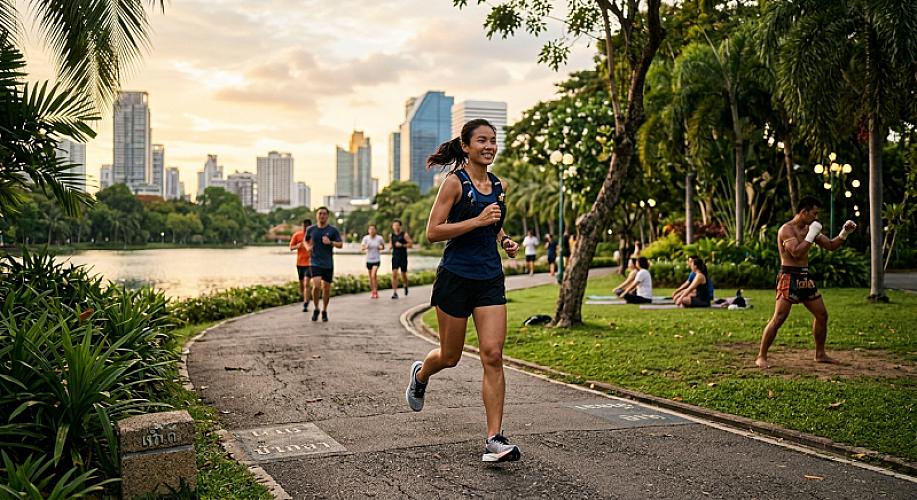
The honest alternative to a packaged retreat is assembling your own in Phuket, which works surprisingly well. Rent a villa or stay in a Rawai guesthouse, buy a drop-in yoga class pass at a local studio (around 500-700 THB per class, or 2,500-3,500 THB for a 10-class pass), add a Muay Thai session or two per week, use the fresh market in Rawai or Chalong for nutrition, and build a schedule. You can create a genuine week-long fitness-focused stay for 8,000-15,000 THB all in, not counting accommodation, versus three to five times that for an organized retreat.
The trade-off is structure. Organized retreats remove all the decision-making from your day, which has real value for people who tend to skip workouts when left to their own devices. The community aspect of being around people with similar goals for a week is also harder to replicate independently.
Booking Timing
High season retreats (December through February) sell out months in advance at the better programs. If you are targeting a specific retreat in January or February, booking by October is not unrealistic. Shoulder season programs (March-April, October-November) have better availability and sometimes lower pricing.
Many retreat operators offer early-bird pricing 3-6 months out, which can save 15-25% compared to booking close to the date. If a specific retreat is on your radar, booking early is usually worth it.
Need a more general overview? Read our 2026 Phuket fitness guide or find local facilities in our gym finder. If you are recovering from a training mishap, our post-injury recovery guide is essential reading.
The RoamFit editorial team researches and maintains Thailand's fitness directory. We combine verified Google data, on-the-ground knowledge of gyms, Muay Thai camps and studios, and hands-on testing to help expats, health tourists and locals train anywhere in the country. Every guide is fact-checked against the listings in our directory.