Koh Samui Yoga and Wellness Guide: Best Retreats, Studios, and Detox Programs
Koh Samui excels at restorative wellness: yoga retreats, detox programs, Thai massage, and genuine recovery. Here is what the island offers and how to use it intelligently.
Koh Samui occupies a different position in Thailand's wellness landscape than either Phuket or Chiang Mai. It's not primarily a training destination — the island's identity is shaped more by resort tourism and beach culture than by serious athletic pursuit. But that framing undersells what Samui actually offers: a genuine wellness infrastructure built around slower, more restorative practices that complement rather than compete with harder training.
For visitors whose definition of a fitness trip includes yoga, detox retreats, and recovery work alongside or instead of Muay Thai sessions, Koh Samui delivers better than most destinations in the region.
Yoga on Koh Samui
Samui Yoga and Wellness Retreat
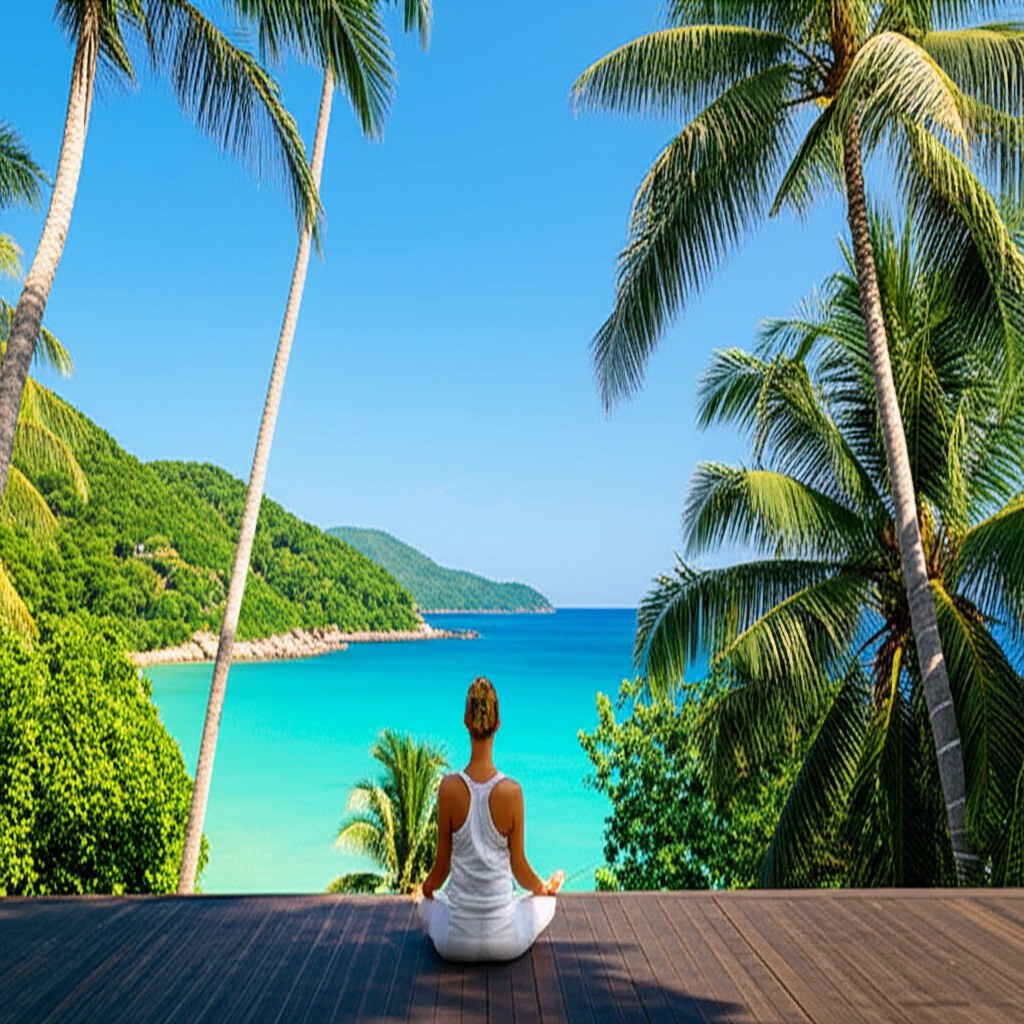
Samui Yoga and Wellness Retreat is one of the island's dedicated yoga retreat centres, offering multi-day programs that combine asana practice with broader wellness activities: meditation, workshops, Thai massage, and vegetarian dining. This format suits visitors who want a structured program rather than self-managed drop-in sessions. Retreat lengths typically range from three to fourteen days.
Samui Wellness Center
Samui Wellness Center takes a holistic approach, combining yoga classes with bodywork and wellness consultations. The centre caters to visitors wanting integrated care — addressing physical tension, recovery, and stress alongside movement practice — rather than yoga as a standalone fitness activity.
Isla Reformer Pilates Samui
Isla Reformer Pilates Samui brings reformer-based Pilates to the island — a rarity in Thailand outside of Bangkok and Phuket. Reformer Pilates is particularly effective for rehabilitation, postural correction, and building deep stabilising strength. For visitors recovering from training injuries or wanting low-impact work alongside other activities, a quality reformer studio adds genuine value to a Samui stay.
Detox and Retreat Programs
The Source Herbal Detox Retreat
The Source Herbal Detox Retreat is a structured detox program using herbal protocols alongside yoga, colonics, and supervised fasting. Detox retreats on Koh Samui have a long history — the island was running these programs before wellness tourism had a name — and The Source represents the more serious end of the spectrum rather than the tourist-oriented cleanse packages that proliferate on the island.
Health Retreat
Health Retreat offers a more accessible entry point into structured wellness programming — combining movement, nutrition guidance, and rest in a format that works for visitors who want structured health improvement without the intensity of a full detox protocol.
Lamai Fitness Retreat
Lamai Fitness Retreat sits in the Lamai Beach area and combines fitness training with wellness programming. For visitors who want to maintain physical conditioning alongside recovery and wellness work, a facility that bridges both is more practical than commuting between a gym and a yoga studio.
What Koh Samui Does Well (and What It Doesn't)
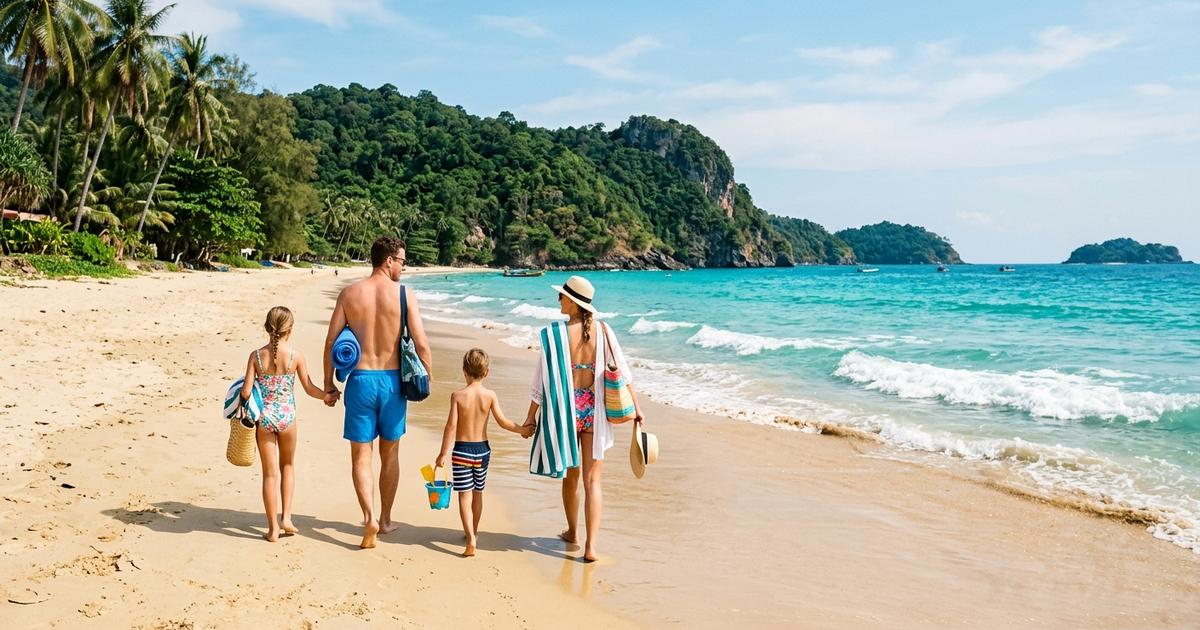
Koh Samui's wellness strengths are real but specific. The island excels at restorative and integrative wellness: yoga retreats, detox programs, Thai massage, and the kind of structured rest that visiting a beach destination actually facilitates. The setting — turquoise Gulf water, relatively quiet compared to Phuket, slower pace overall — supports recovery in a way that a high-traffic training environment doesn't.
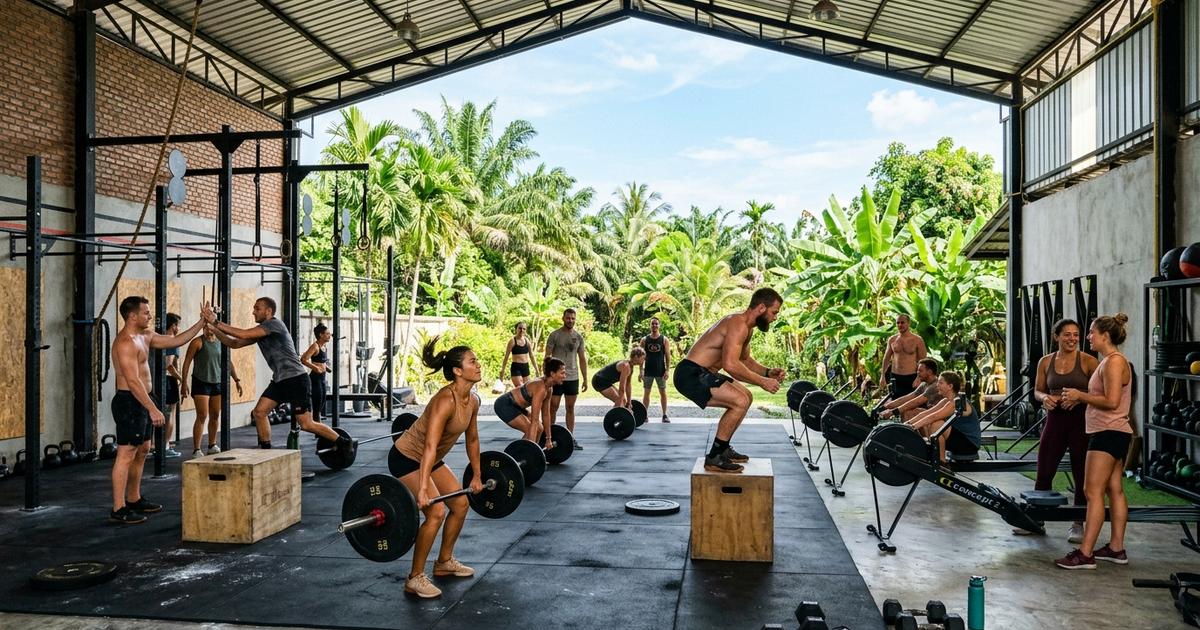
Where Samui is weaker: hard athletic training infrastructure. The island has Muay Thai gyms and fitness centres, but the depth and quality of the training scene doesn't match Phuket or even Chiang Mai. If daily two-hour Muay Thai sessions with professional fighters are the primary goal, Samui isn't the right base. If the goal is genuine wellness — restorative yoga, detox, massage, light training, and beach recovery — Samui is hard to beat in Southeast Asia.
Combining Wellness with Training on Koh Samui
The most effective Koh Samui approach for fitness-oriented visitors is to use the island's wellness infrastructure deliberately: yoga in the morning, swimming or light beach activity midday, massage and recovery in the afternoon. This rhythm — active but not punishing — produces genuine recovery from previous hard training blocks and sets up subsequent training periods well.
Many visitors structure a Thailand trip with a Phuket training block followed by a Koh Samui recovery period. The island-hopping routing (Phuket to Samui by ferry or short flight) is straightforward and the contrast between the two destinations creates a genuinely intelligent training cycle. For a broader comparison of what each Thai destination offers, see the Thailand fitness cities comparison.
Practical Information
Getting Around
Koh Samui requires a motorbike or car to get around efficiently — the island is too spread out for walking between areas and taxis are expensive relative to other Thai transport options. Most wellness centres provide airport and pier transfers for retreat guests. If you're doing drop-in classes rather than staying at a centre, renting a motorbike is the standard approach.
Best Areas for Wellness
Retreat centres and yoga studios spread across the island but cluster in a few areas. Bophut and the north coast have a quieter, more residential feel suited to wellness tourism. Lamai has a good mix of facilities. Chaweng — the main tourist strip — has yoga and wellness options but the beach club and nightlife energy works against the restorative atmosphere most wellness visitors want.
When to Go
Koh Samui's weather runs counter to Phuket's — the island sits on the Gulf of Thailand coast and its wet season peaks November to January, when Phuket is at its driest. The best weather for Samui wellness tourism is February to September, with March through May particularly reliable. This makes Samui and Phuket natural complements in a longer Thailand itinerary.
Cost
Day passes at yoga studios run 300–500 THB. Multi-day retreat programs range from 5,000 THB for a basic three-day package to 25,000 THB and above for full-board detox retreats with daily treatments. Thai massage at reputable wellness centres costs 500–800 THB per hour. These prices reflect the resort tourism context — Samui is more expensive than Chiang Mai for equivalent services, though still well below European or North American wellness destination pricing.
The Broader Koh Samui Fitness Picture
Yoga and wellness represent one dimension of Koh Samui's fitness offering. The full landscape of gyms, training facilities, and outdoor fitness options on the island is covered in the Koh Samui fitness guide. For visitors deciding between Koh Samui and Phuket for a fitness-focused stay, the difference in training culture is significant enough to warrant reading both before booking.
The sound healing and meditation scene covered in the sound healing and meditation guide has natural connections to Koh Samui's wellness culture — several retreat centres on the island incorporate similar practices into their programming.