Muay Thai in Chiang Mai: Top Gyms, Costs, and Training Guide
An honest, local guide to training Muay Thai in Chiang Mai. Compare the best gyms, real costs, and practical tips for training in Northern Thailand.
Chiang Mai is the northern hub for Muay Thai in Thailand. It offers a different pace compared to the high-pressure camps of Phuket or the chaotic gyms of Bangkok. The air is cooler during the winter months, the cost of living is significantly lower, and the training culture is highly technical.
Many fighters choose Chiang Mai for long-term stays because their money goes twice as far here as it does in the south. You can easily find cheap accommodation, excellent food, and world-class training within a short scooter ride. This guide covers the top gyms, actual costs, and practical logistics to help you plan your training trip.
Why Train Muay Thai in Chiang Mai?
Bangkok is the place for elite stadium fighters. Phuket is geared toward fitness tourists and weight loss. Chiang Mai sits comfortably in the middle. It has a strong local fight scene with regular events at Thapae Stadium and Loi Kroh Stadium, meaning trainers here know how to prepare people for real fights.
At the same time, the gyms are highly welcoming to beginners and hobbyists. You do not need to be in peak physical condition to start. The northern climate is also a major factor. From November to February, morning temperatures can drop to 15 degrees Celsius. This makes the early morning roadwork and pad sessions much more manageable than the humid heat of the southern islands.
The Best Muay Thai Gyms in Chiang Mai
Gyms in Chiang Mai generally fall into two categories. There are central, open-air gyms geared toward drop-ins and tourists, and there are outer-city camps designed for serious, long-term training.
Santai Muay Thai
Located in San Kamphaeng, about 15 kilometers east of the Old City, Santai is a traditional gym focused on high-level technique. They teach the stadium style of Muay Thai, with a heavy emphasis on footwork, balance, and clean kicking technique. Many of the trainers are former champions from the famous Pinsinchai Gym in Bangkok.
This is a camp for people who want to focus entirely on training. There are few distractions in San Kamphaeng. The gym offers on-site accommodation and training packages. It is common for students here to stay for months at a time and fight on the local northern circuit.
- Location: San Kamphaeng
- Drop-in Rate: 400 THB
- Weekly Rate: 2,200 THB
- Monthly Rate: 8,000 THB (training only)
Lanna Muay Thai (Kiaythawat)
Lanna Muay Thai is one of the oldest and most respected gyms in Northern Thailand. Originally located in the city center, it has moved to a spacious facility near the Huay Kaew area, close to the base of Doi Suthep.
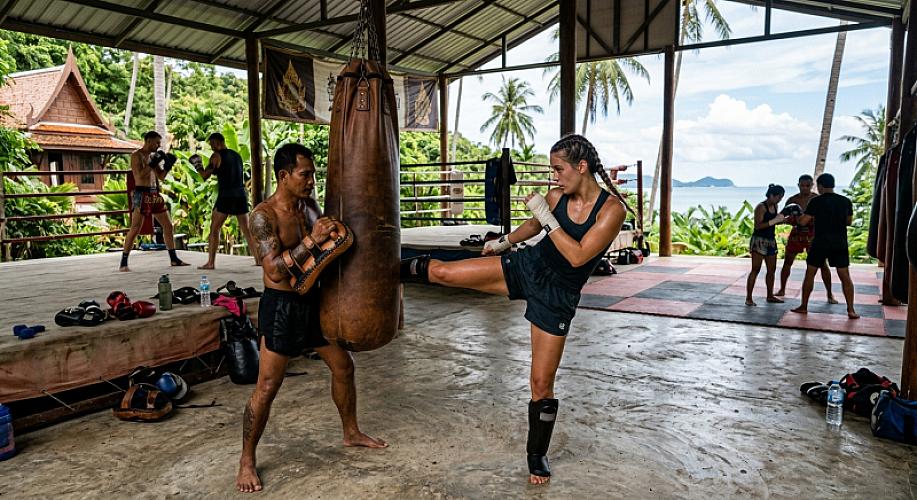
Lanna has a reputation for welcoming everyone from absolute beginners to seasoned professionals. The training is intense, traditional, and structured. A typical session includes running, skipping, shadow boxing, bag work, pad work with a trainer, clinching, and conditioning.
- Location: Near Huay Kaew Road
- Drop-in Rate: 350 THB
- Weekly Rate: 2,000 THB
- Monthly Rate: 7,500 THB
Chiang Mai Muay Thai Gym
If you are staying inside the Old City and do not want to ride a scooter far, this is your best option. Located near Phra Sing Temple, this gym is highly accessible.
It is an open-air facility that caters heavily to travelers, digital nomads, and beginners. The atmosphere is friendly and less intimidating than traditional fighter camps. However, the trainers are still highly skilled and will push you hard if you ask them to. It is an ideal spot for casual training while exploring the city.
- Location: Old City (near Wat Phra Sing)
- Drop-in Rate: 300 THB
- Weekly Rate: 1,800 THB
- Monthly Rate: 6,000 THB
Sit Thaharnaek
Run by Kru Naek, a former Rajadamnern champion, this gym is located just north of the Chang Phueak Gate. It is a smaller, highly technical gym. Because it is less commercial than some of the larger camps, you often get more direct attention from the trainers during group sessions.
This gym is highly recommended if you want to improve your clinching and defensive skills. The crowd here is a mix of local expats and dedicated travelers.
- Location: Chang Phueak
- Drop-in Rate: 400 THB
- Weekly Rate: 2,000 THB
- Monthly Rate: 7,000 THB
Team Quest Thailand
Located south of the city center near Airport Plaza, Team Quest is a great option if you want to combine Muay Thai with Brazilian Jiu-Jitsu (BJJ) or mixed martial arts (MMA).
They have a large, modern facility with a full cage, wrestling mats, and a Muay Thai area. The Muay Thai program here is structured and physical, drawing a lot of foreign fighters who want to transition into MMA.
- Location: Near Airport Plaza
- Drop-in Rate: 400 THB
- Weekly Rate: 2,500 THB
- Monthly Rate: 9,500 THB (all-access pass including BJJ)
Real Costs of Training and Living
Chiang Mai remains highly affordable. Here is a realistic breakdown of what you will spend during a training trip.
Training Fees
- Single Session: 300 to 400 THB. This usually lasts 1.5 to 2 hours.
- One Week (Double Sessions Daily): 1,800 to 2,500 THB.
- One Month (Double Sessions Daily): 6,000 to 10,000 THB.
- Private Lesson (1 Hour): 700 to 1,000 THB. This is the fastest way to fix your technique.
Accommodation
- Basic Fan Room (Monthly): 3,500 to 5,000 THB. Common in local areas like Santitham.
- Modern Studio Apartment with AC and Pool (Monthly): 8,000 to 15,000 THB. Common in Nimman or Jed Yod.
- Gym On-Site Room (Monthly): 5,000 to 12,000 THB depending on whether you want air conditioning and private bathrooms.
Food and Daily Expenses
- Local Thai Meal (Pad Kra Pao, Khao Soi): 50 to 80 THB.
- Western Health Food Meal (Salads, high-protein plates): 150 to 250 THB.
- Large Bottle of Water: 15 THB.
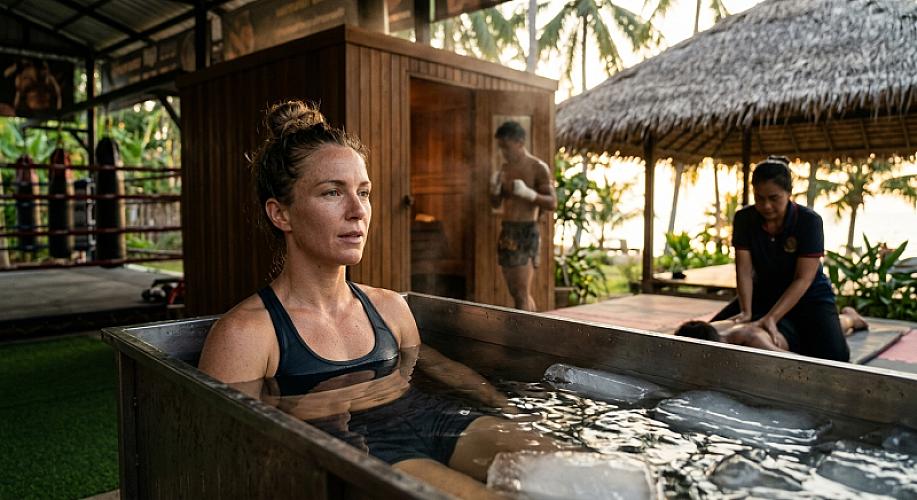
- Thai Massage (1 Hour): 250 to 350 THB. Essential for recovery.
Transport and Logistics
Getting around Chiang Mai is straightforward, but your choice of transport will affect your daily routine.
Scooter Rental
This is the most common way to get around. A standard 125cc scooter costs about 200 to 250 THB per day, or 3,000 to 4,000 THB per month.
You must have an International Driving Permit (IDP) with a motorcycle endorsement. Police checkpoints are common around the Old City square and on the roads leading to Nimman. If you get stopped without a license, you will face a fine of 500 to 1,000 THB.
Songthaews and Grab
If you do not want to ride a scooter, you can use the red songthaews (shared trucks). A ride within the city limits usually costs 30 to 50 THB. For direct trips, use the Grab or Bolt apps to hail a car or motorbike taxi. Bolt is generally cheaper than Grab in Chiang Mai.
Buying Gear in Chiang Mai
Do not buy cheap gear from tourist night markets. It will fall apart within weeks.
If you need gloves, hand wraps, or shin guards, buy them directly from the gyms. Most gyms stock high-quality Thai brands like Fairtex, Twins Special, and King.
For a wider selection, visit Chuprom Muay Thai Shop near the Chiang Mai Gate. They have a massive inventory of authentic gear at fair prices. Expect to pay around 2,000 to 2,500 THB for a good pair of 14oz or 16oz leather gloves.
What to Expect in a Typical Session
Most gyms run two sessions a day. The morning session starts around 7:30 AM or 8:00 AM. The afternoon session starts around 4:00 PM.
A standard two-hour session follows this structure:
- Warm-up (20-30 minutes): Skipping rope, running, and dynamic stretching.
- Shadow Boxing (10-15 minutes): Working on stance and movement in front of the mirror.
- Bag Work (3-5 rounds): Kicks, knees, and punches on the heavy bag while the trainers prepare the pads.
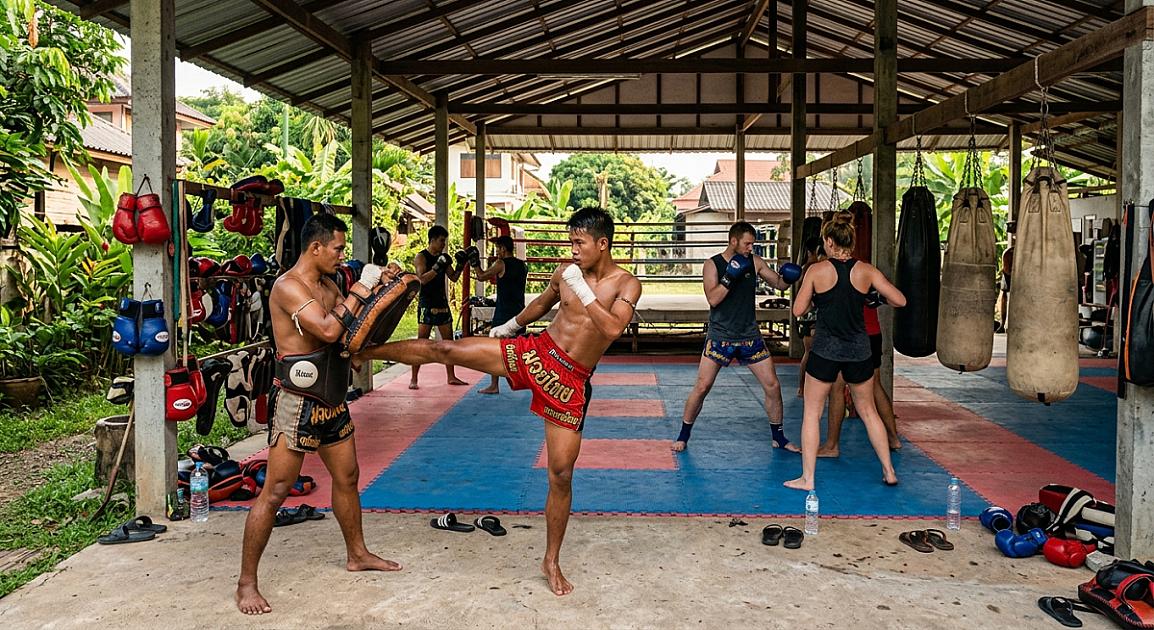
- Pad Work (3-5 rounds): One-on-one work with a trainer. This is the core of the session.
- Clinching or Sparring (20-30 minutes): Controlled technical sparring or stand-up wrestling.
- Conditioning and Cool-down (15 minutes): Sit-ups, push-ups, pull-ups, and stretching.
Be respectful. Always bow (wai) to your trainers when you enter and leave the mats. Keep your toenails clipped short to avoid scratching your training partners during sparring and clinching.
Frequently Asked Questions
Do I need to be fit to start training Muay Thai in Chiang Mai?
No. Gyms welcome absolute beginners. The trainers will adjust the intensity of the pad work and conditioning to match your current fitness level.
What is the best time of year to train in Chiang Mai?
November to February is ideal because the weather is cool and dry. Avoid March and April if possible, as this is the agricultural burning season when air quality is poor.
Can I fight in a local stadium as a foreigner?
Yes. If you train consistently at a gym like Santai or Lanna, the trainers can arrange a fight for you at Thapae or Loi Kroh Stadium once they feel you are ready.
Should I buy gear before I arrive in Thailand?
No. Authentic Thai brands like Fairtex and Twins are much cheaper in Chiang Mai than they are in Western countries. Buy your gear when you arrive.