Muay Thai for Women in Thailand: What to Expect and Where to Train
# Article 562: Muay Thai for Women in Thailand Training Muay Thai in Thailand is no longer just for a few. Camps in Phuket and Bangkok have trained hundreds of women, and the culture has shifted from what it was twenty y
Article 562: Muay Thai for Women in Thailand
Training Muay Thai in Thailand is no longer just for a few. Camps in Phuket and Bangkok have trained hundreds of women, and the culture has shifted from what it was twenty years ago. That said, the experience varies by gym. Knowing what to look for makes the difference between a training trip that works and one that doesn't.
The state of women's Muay Thai in Thailand
Women's Muay Thai has been developing in Thailand for decades, but the pace picked up in the last ten years. Several Thai female fighters now have international profiles. Seeing women at camps is routine at most internationally-oriented gyms. At traditional Thai camps that mainly train male fighters for stadium competition, the picture is different.
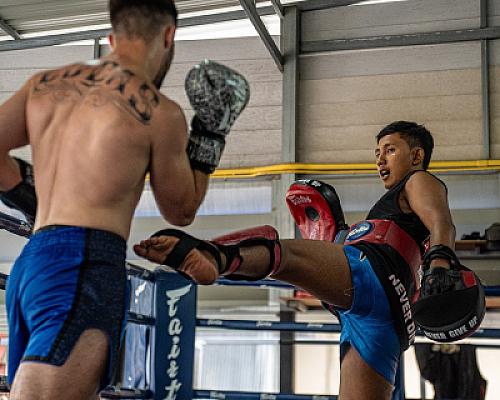
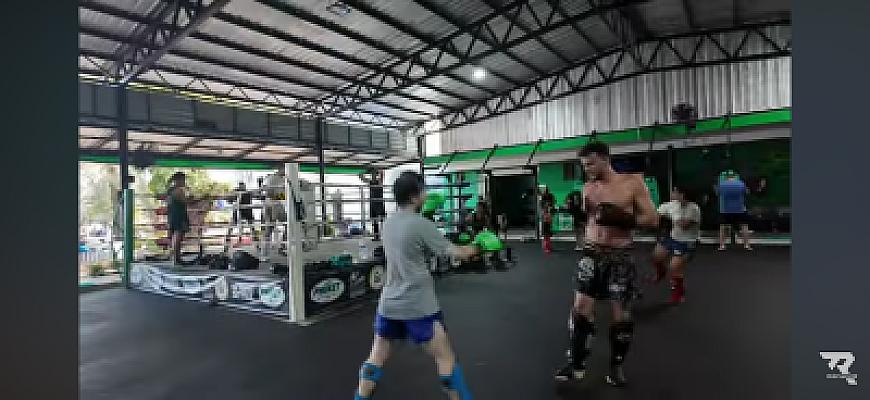
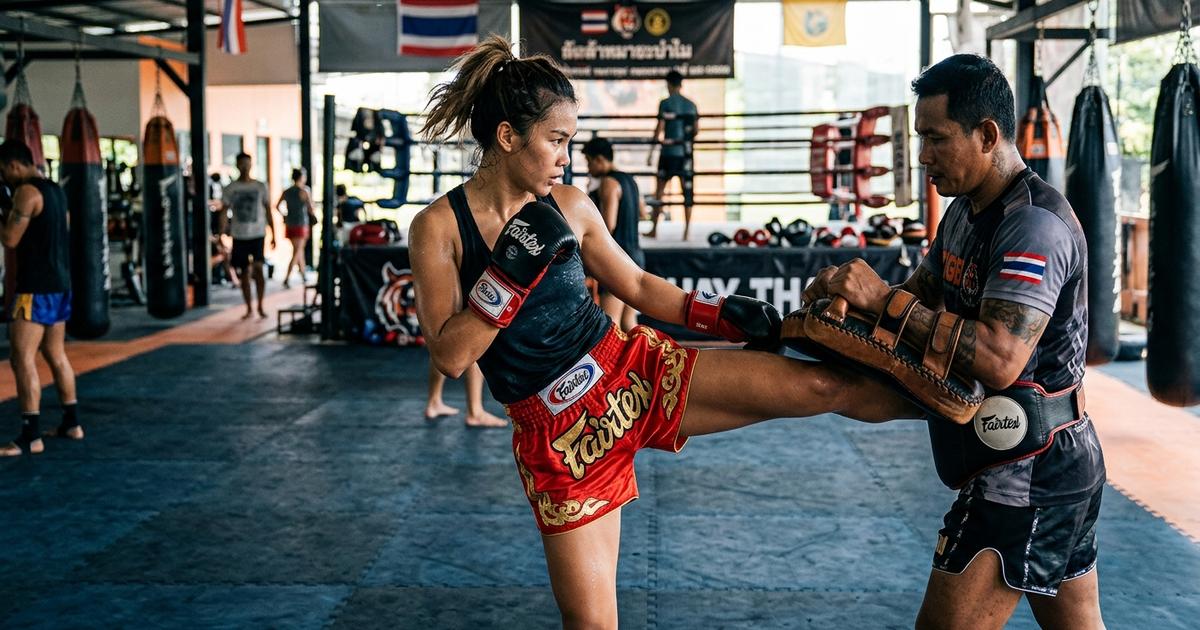
For practical purposes, any major camp in Phuket like Tiger, Rawai, AKA, or Fairtex has trained many women and handles female trainees well. Smaller traditional camps in Bangkok or rural areas might be less accommodating. This isn't usually out of hostility, but because women are less common there and the infrastructure, such as separate changing areas or female trainers, might not exist.
Common concerns addressed
Will I be taken seriously?
At good camps, yes. Trainers at the major Phuket and Bangkok operations work with female fighters who compete at national and international levels. They apply the same technical focus to any student who shows up and trains hard. Being taken seriously depends more on showing up regularly and communicating your goals than on gender.
Safety in sparring
Sparring culture varies by camp. Most camps don't put beginners into hard sparring. At higher levels, women spar with other women or with lighter male partners who focus on technique rather than power. The risk of being thrown into bad sparring is real at any gym, but you can manage it by talking to your trainer about your level. A trainer who pushes hard sparring on someone who isn't ready is a red flag.
Gear and changing facilities
Major Phuket camps have separate female changing rooms and bathrooms. Check before committing to a smaller camp. Sports bras and rash guards are available at local shops for reasonable prices. Most women wear a sports bra under their gym top during pad work and bag rounds. Female chest protectors for sparring are available at major sports shops in Phuket, or you can order from Fairtex or Top King online.
Recommended camps and gyms for women
Tiger Muay Thai (Chalong/Rawai, Phuket)
Tiger is the largest camp in Phuket and has the best infrastructure for international female trainees. There are often female trainers and Thai female fighters training there. The beginner and intermediate programs are structured and supervised, making it a good entry point for newcomers. Because of the size, you won't get the most personal experience, but the instruction is reliable. Female-only pad sessions are sometimes available; check the current schedule.
Rawai Muay Thai (Rawai, Phuket)
Rawai Muay Thai has a reputation for a female-friendly culture. The camp has trained many female fighters who compete internationally, so female training is normal and taken seriously here. The trainers are attentive to technique and work well with trainees who want to develop skill rather than just use Muay Thai for conditioning.
AKA Thailand (Rawai/Chalong, Phuket)
AKA Thailand runs a strong MMA and Muay Thai program with many female students. The camp has produced competitive female fighters and the culture reflects that. It's a good choice for those who want Muay Thai in a broader combat sports context.
Fairtex Muay Thai (Pattaya / Bangkok)
The Fairtex camp has a strong record with female fighters. The Pattaya location has trained several internationally competitive athletes. The instruction at Fairtex is technically detailed, which suits people who want to develop fight-applicable skills.
Training considerations
Physiologically, a few things affect your training plan. The luteal phase of the menstrual cycle often causes higher body temperature and slightly less endurance. Training in Thailand's heat makes this more noticeable. Tracking your cycle and adjusting intensity, such as doing lower-intensity technical work during certain phases, is common for experienced athletes.
Wrist and knee injuries are common issues for female trainees. Wrist injuries from incorrect guard position or bag work are often easily corrected by a trainer. Knee issues from clinch and sweep drills sometimes come from hip and glute strength deficits that you can address with extra exercises. If you have a history of knee problems, mention it when you arrive.
Social dynamics
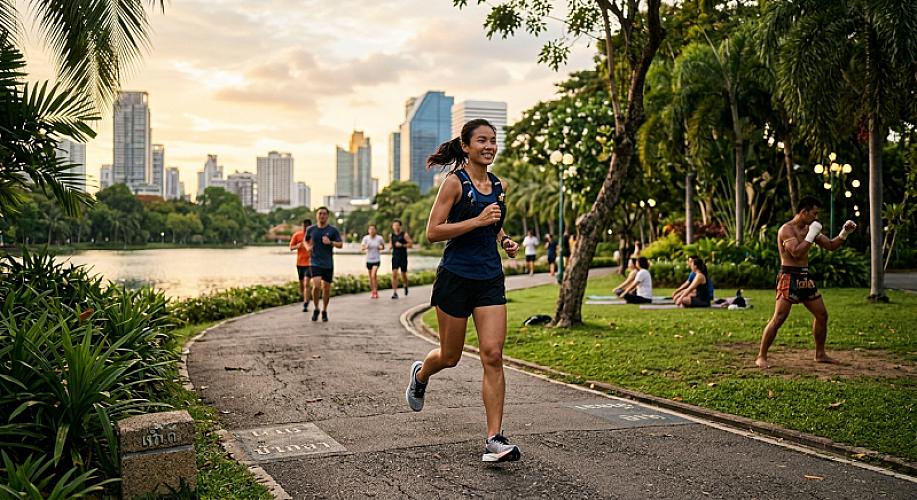
The training community in Phuket has a large international female presence. At Tiger, Rawai, and similar camps, meeting other women training at various levels is easy. The environment is often like a college campus, where people in the same sessions develop a natural bond. This is often one of the best parts of the camp experience.
On the topic of trainers: like any environment with power differences between coaches and students, the Muay Thai world can produce unwanted attention. Major camps generally manage this professionally because their reputation is at stake. If something feels wrong, you can work with a different trainer or switch camps. There are enough options in Phuket that you don't need to stay in an uncomfortable situation.
Getting started
The best starting point is to book a drop-in session at an established camp before committing to a package. A single session at Tiger or Rawai costs 300-450 THB and gives you a clear sense of the culture and facilities. From there, weekly packages (7,000-12,000 THB with accommodation at most major camps) make sense for a focused training stint.
The RoamFit editorial team researches and maintains Thailand's fitness directory. We combine verified Google data, on-the-ground knowledge of gyms, Muay Thai camps and studios, and hands-on testing to help expats, health tourists and locals train anywhere in the country. Every guide is fact-checked against the listings in our directory.