Finding a Personal Trainer in Phuket: Costs, Questions and Red Flags
Personal training in Phuket covers a wider range of quality and professionalism than in most Western cities, which makes the process of finding a good trainer slightly more involved. The island has both genuinely skilled
Personal training in Phuket covers a wider range of quality and professionalism than in most Western cities, which makes the process of finding a good trainer slightly more involved. The island has both genuinely skilled coaches and people who have printed a business card that says "PT" without much behind it. Knowing what to look for before you book anything saves time and money.
\n\nWhere Trainers Operate
\n\nPersonal trainers in Phuket work in a few different settings, and the setting affects both cost and what you should expect.
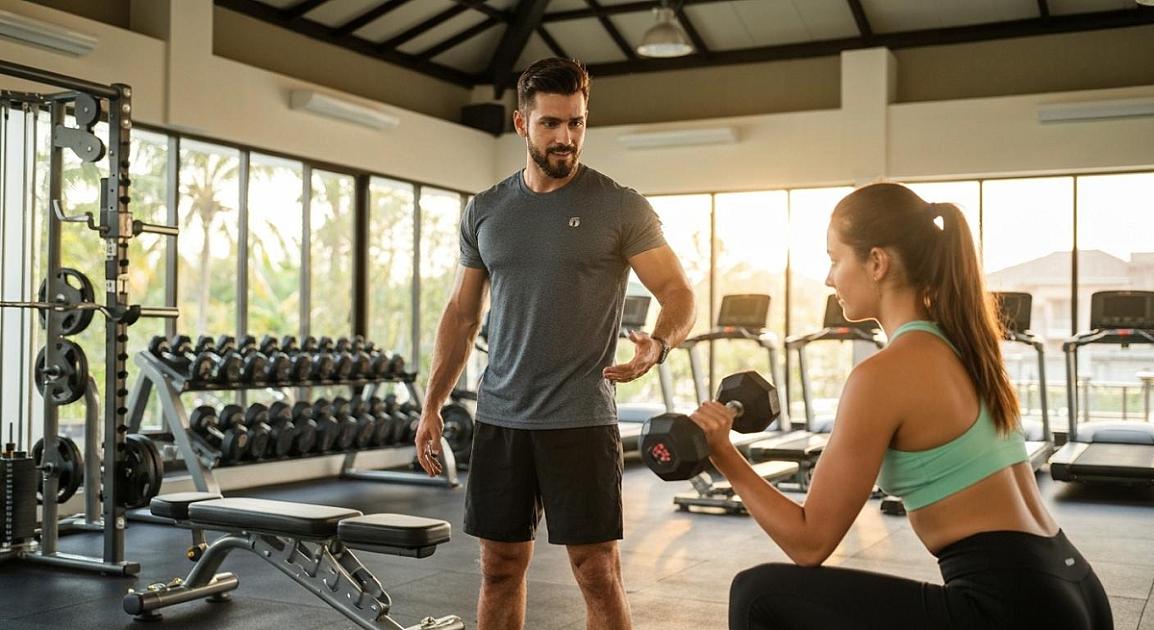
\n\nGym-employed PTs work directly for a gym and train clients in that gym's facility. Commercial gyms in Patong, Kata and Chalong typically have one or more in-house trainers available for sessions. Booking through the gym provides some accountability (the trainer is vetted to some degree by the gym management) and the sessions happen in a known environment. Rates for gym-employed PTs typically run 800-1,500 THB per hour-long session.
\n\nIndependent PTs work freelance and may train clients at a gym they have access to, at your hotel gym, outdoors on the beach or at a villa. Some of the best trainers in Phuket work this way, having built their client base through referrals after years on the island. Rates vary more widely for independent trainers: 700-2,000 THB per session depending on experience, specialisation and your location.
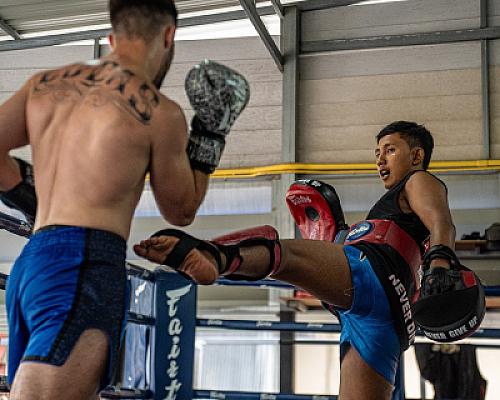
\n\nMuay Thai trainers at dedicated camps are a third category. These are not personal trainers in the general fitness sense but specialists in Muay Thai technique. If you want one-on-one pad work and technique coaching, booking private sessions at a camp is the right route. Costs for private Muay Thai coaching run around 600-1,200 THB for a 60-90 minute session at most camps.
\n\nTypical Costs
\n\nTo give a clearer picture: a standard one-hour general fitness PT session in Phuket costs 800-1,200 THB for a trainer at a commercial gym or a solid independent. Below 700 THB should prompt you to ask why. Above 1,500 THB is possible for highly specialised coaches (competitive athletes, rehabilitation specialists, certain strength and conditioning coaches) but unusual for general fitness work.
\n\nPackage pricing is the norm rather than per-session pricing. Most PTs in Phuket offer packages of five or ten sessions at a discount of around 10-20% compared to single-session rates. A ten-session package with a good trainer might cost 8,000-11,000 THB, which is genuinely good value by international standards.
\n\nWhat Qualifications Actually Matter
\n\nThe fitness certification landscape is confusing, and some certifications that look official are worth very little. In Thailand's PT market, there is no formal licensing requirement, which means anyone can call themselves a personal trainer.
\n\nInternationally recognised certifications that indicate genuine professional training include: NASM (National Academy of Sports Medicine), ACE (American Council on Exercise), NSCA-CPT, and ISSA. A PT with one of these certifications has completed a structured programme that covers anatomy, programme design and safety. Ask to see their certification and check that it is current.
\n\nThai-specific qualifications from the Sports Authority of Thailand also indicate professional training, though these vary in depth. Some gym chains in Thailand have their own trainer certification programmes of varying quality.
\n\nBeyond certifications, practical experience matters. A trainer who has been working in Phuket for three or more years with a regular client base has learned things about training in the heat, working with the range of fitness levels that visit Phuket, and how to adapt programmes for people with limited gym time. Ask how long they have been training clients in Thailand.
\n\nQuestions to Ask Before Booking
\n\nBefore committing to a package, have a brief conversation (in person or via messaging) covering the following points. How they answer matters as much as what they say.
\n\nAsk about their approach to an initial assessment. A good PT will assess your movement quality, current fitness level and any injury history before designing a programme. If someone is offering to start training you immediately without asking any of these questions, that is a problem.
\n\nAsk how they structure progression. The answer should involve some reference to gradually increasing load, tracking performance, or adjusting based on how sessions are going. "We just work hard every session" is not a training programme.
\n\nAsk about their experience with your specific goals or any relevant issues (injury history, specific sports preparation, weight loss, whatever applies to you). A trainer who has worked with clients similar to you is more likely to know what works than one who is figuring it out as they go.
\n\nAsk whether they have liability insurance. This is uncommon in Phuket but not unheard of among more professional operators. The question itself signals that you are a client who takes these things seriously, which tends to produce a more professional relationship.
\n\nRed Flags
\n\nA few specific things to watch for when assessing a potential trainer:
\n\nGuarantees of specific results in specific timeframes. "I will get you six-pack abs in four weeks" is not something a competent trainer says, because it depends on factors the trainer does not control (your diet, your starting point, your genetics). Trainers who make outcome guarantees are selling, not coaching.
\n\nNo interest in your goals or background. If the first conversation is about selling a package rather than understanding what you want to achieve and what your situation is, the training will likely be generic rather than useful.
\n\nPushing supplements aggressively. Some PTs in Thailand earn commission from supplement sales. A trainer who pushes specific products on the first or second session is working toward a sale rather than your best interest. Supplements are not irrelevant, but they are a long way down the priority list behind actual training and diet quality.
\n\nVery low prices with a pressure to commit immediately. "Special price only today" pricing is a sales tactic. Good trainers do not need to pressure-sell because they have clients through reputation and referral.
\n\nFinding Trainers Through Reputation
\n\nThe most reliable route to a good personal trainer in Phuket is a referral from someone who has trained with them. The expat fitness community in the south of the island (Rawai, Chalong, Kata) is reasonably connected, and asking in Facebook groups like "Phuket Fitness Community" or "Expats in Phuket" produces genuine recommendations. RoamFit's Phuket gym listings also include facilities where you can ask about PT access as part of a broader gym membership enquiry.
\n\nHotels with gyms will sometimes recommend trainers they work with regularly. These recommendations carry more weight than cold advertising because the hotel has an ongoing relationship with the trainer and a reputational stake in the quality of the recommendation.
\n\nTrial Sessions
\n\nMany good PTs in Phuket will offer a trial session at a reduced rate (500-700 THB) before you commit to a package. Take this option when it is available. One session is enough to assess whether the trainer gives good cues, can explain what they are doing and why, and treats the session as coaching rather than just making you do things. If the trial session feels like a workout you could have done on your own without benefit from the PT's input, that is your answer.
For more options, check our guide on fitness for beginners in Phuket and our Phuket vs Bangkok fitness comparison.
The RoamFit editorial team researches and maintains Thailand's fitness directory. We combine verified Google data, on-the-ground knowledge of gyms, Muay Thai camps and studios, and hands-on testing to help expats, health tourists and locals train anywhere in the country. Every guide is fact-checked against the listings in our directory.