Solo Fitness Travel in Phuket: The Complete Guide for Travelling Alone
The complete guide to solo fitness travel in Phuket — finding community at training camps, where to stay, safety, and why solo training works.
Solo fitness travel to Phuket is more common than most people realise, and in many ways it's a better experience than going with a group. Training environments are naturally social — you're surrounded by people doing something physically demanding together, which creates connection faster than most travel contexts. The challenge of arriving somewhere alone dissolves within a few training sessions. This guide covers how to make the most of a solo Phuket fitness trip, from choosing where to stay to building a training community from scratch.
Why Phuket Works Well for Solo Travellers
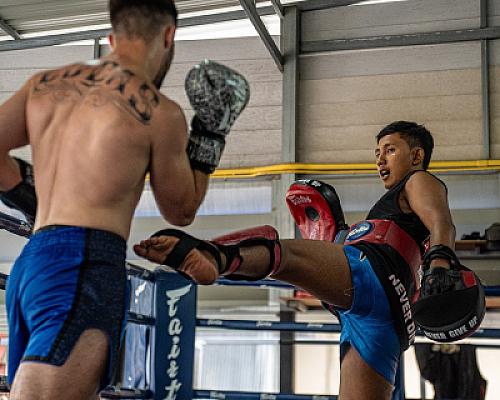
Phuket's fitness scene is built around international visitors, and a high proportion of those visitors arrive alone. Muay Thai camps in particular draw solo travellers — people who want to train seriously, don't have friends at the same level or with the same goals, and are happy to build their social world around the training environment rather than bringing it with them.
The camp structure does most of the social work automatically. You're training with the same people every day, pushing through the same difficulties, improving together. The shared experience of getting through a hard afternoon session in 34°C heat creates the kind of informal bond that takes months to form in normal social contexts. Most long-term Phuket training visitors report that the community they built while training alone became one of the highlights of the trip.
Choosing the Right Base for Solo Travel
Camp Accommodation vs Independent Stay
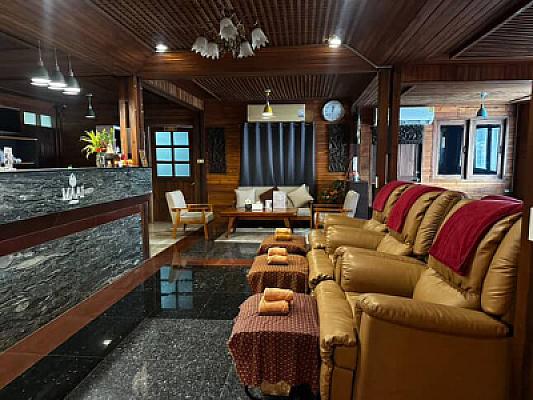
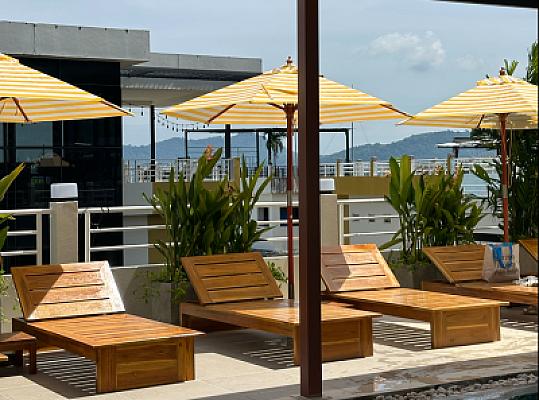
For solo travellers, staying at on-site camp accommodation is strongly recommended for at least the first trip. Camp guesthouses are typically basic — a clean room, WiFi, air conditioning, and proximity to training — but their value lies in the built-in community. You're sharing space with other trainees, eating the same meals, and running into training partners between sessions. Independent accommodation gives more privacy and sometimes more comfort, but you have to build the social layer yourself.
If you're staying independently, choose accommodation within walking distance or a short scooter ride from your gym. The commute between gym and accommodation should be a non-issue. Use the gym prices guide to budget for camp packages that include accommodation.
Area Selection
For solo fitness travellers, the Chalong and Rawai areas work better than Patong. The Soi Taied gym cluster in Chalong has the highest density of serious training facilities, and the surrounding area has guesthouses, food stalls, and other trainees at similar density. The atmosphere is oriented around training and recovery rather than tourism and nightlife.
Patong is livelier and more convenient for general tourism, but the distance from major training areas adds friction and the nightlife can be destabilising for serious training goals. Solo travellers who stay in Patong often find themselves pulled between training mode and holiday mode in ways that compromise both.
Building a Training Community
How Community Happens at Camps
At any serious Phuket Muay Thai camp, the community forms organically around a few points in the daily schedule:
- Pre-session warm-up: The informal time before training starts is where introductions happen. Showing up a few minutes early and being approachable is enough.
- Between sessions: The long rest period from 8 AM to 3 PM is when trainees eat together, watch pad rounds, and decompress. Camp common areas and the nearest food stalls become social spaces.
- Evening meals: Local restaurants near major camps accumulate trainees every evening. Sitting at the communal tables at the same stall a few nights running produces reliable social connection.
The training itself creates the context — you don't need a strategy beyond showing up and being present. Most solo travellers who arrive feeling uncertain about meeting people are surprised by how quickly the community coalesces.
Training Partners and Sparring
Finding a training partner at a similar level is one of the most valuable things a solo traveller can do. Partners provide motivation in the dead period between morning and afternoon sessions, someone to drill technique with outside formal sessions, and a social anchor for the rest of the day.
Be direct about asking — "Do you want to drill combinations before the afternoon session?" is a completely normal thing to say to someone at a similar level after a few days at the same camp. The culture at Phuket training gyms is unpretentious and practically oriented.
Planning a Solo Training Schedule
Structure is Your Friend
One of the risks of solo travel is unstructured time leading to drift — staying out late, sleeping in, skipping sessions when nobody is watching. Having a clear daily schedule prevents this, and the camp structure provides most of it automatically. Wake up, train, eat, rest, train, eat, sleep. The simplicity is part of the appeal.
Build in a rest day every seven days, either with no training or with a single lighter session (yoga, swimming, or a short bag session). Consecutive daily training without adequate rest accumulates fatigue that eventually forces a break. One intentional rest day per week is better than a forced three-day break from overtraining.
Variety for Longer Stays
For trips of three weeks or more, adding variety to the training week prevents staleness. This might mean:
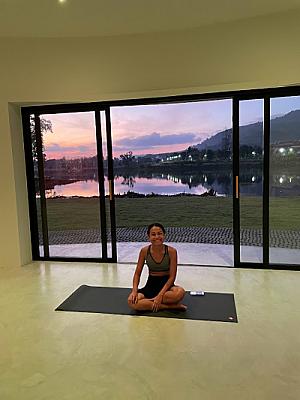
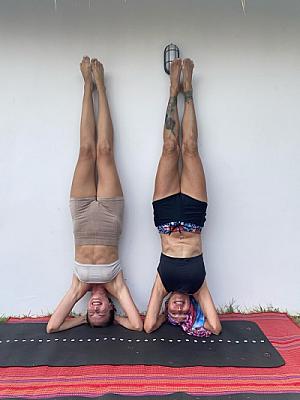
- One weekly yoga or mobility session alongside Muay Thai
- A gym-hopping day to try a different facility and get outside perspective on your technique
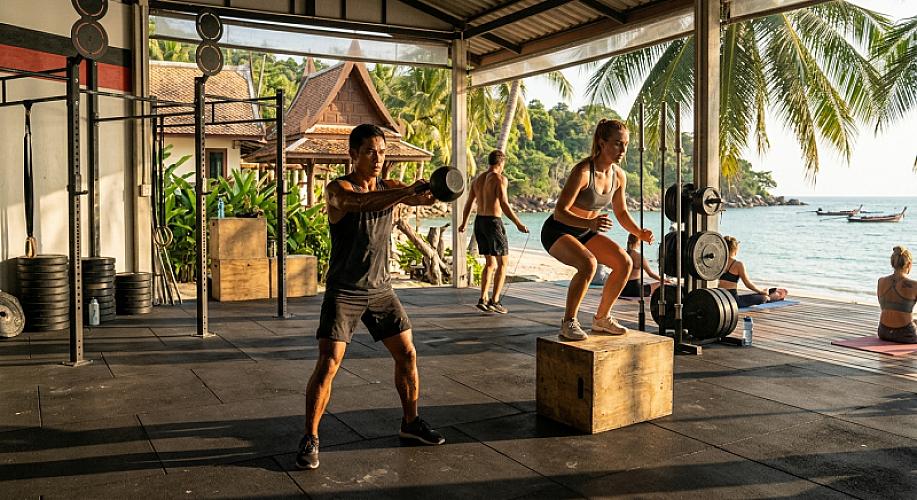
- A strength session at a weights gym to supplement the Muay Thai volume
The gym hopping guide covers how to approach trying multiple gyms without wasting money on unused memberships.
Safety for Solo Travellers
Physical Safety at the Gym
Serious Muay Thai training involves contact, and solo travellers need to manage their own safety without a friend to intervene or advise. Key rules:
Don't spar before you're ready. Many camps allow relatively new arrivals to join sparring sessions, but sparring too early — before basic defensive reflexes are in place — is how beginners get hurt. Be honest about your level and ask trainers directly when they think you're ready for light technical sparring.
Communicate with your trainer. Tell them about any injuries, soreness, or symptoms before sessions. Trainers who know your physical state can adjust the session accordingly. Pushing through sharp pain in silence leads to the injuries that end trips early.
Personal Safety in Phuket
Phuket is a safe destination for solo travellers of all backgrounds. The main practical precautions are unremarkable: use licensed transport (Grab or metered taxis) rather than unmarked vehicles, be careful on scooters particularly at night, and don't leave valuables unattended on beaches. The training camp community provides a natural support network — other trainees at the same camp are a reliable source of local information and practical help if needed.
Solo Travel with a Personal Trainer
A personal trainer is worth considering for solo travellers, particularly for the first week. One-on-one coaching accelerates technique development beyond what group sessions provide, and the individual relationship with a trainer adds a social dimension that solo travellers often find valuable. The trainer also provides a consistent point of contact within the gym environment.
See the personal trainer guide for what to look for and what to budget — costs are significantly lower than personal training in Western countries.
The Longer You Stay, the Better It Gets
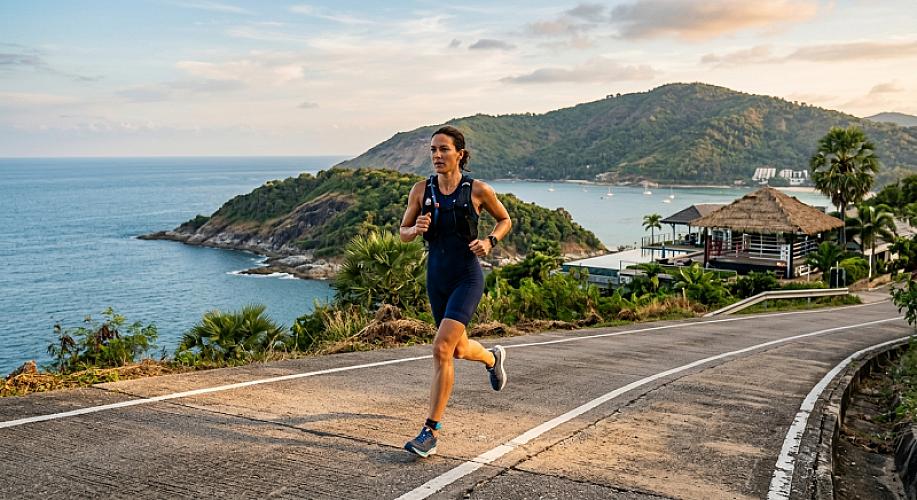
Solo fitness travel to Phuket rewards commitment. The first few days involve some social uncertainty — finding your place in the camp hierarchy, working out the logistics, getting through the initial physical shock. By week two, that uncertainty is gone. By week three, you know where you belong, who your people are, and what you're capable of physically.
Many solo travellers who come for two weeks extend to a month. Many who come for a month begin planning their return before they leave. The combination of physical development, community, and a genuinely beautiful place to live tends to be more compelling in reality than it sounds in description.
Browse the complete Phuket fitness guide to map out your options, and the training camps guide for packages suited to solo travellers. For those planning a longer stint, the expat fitness guide covers what the community looks like for people who stay.
The RoamFit editorial team researches and maintains Thailand's fitness directory. We combine verified Google data, on-the-ground knowledge of gyms, Muay Thai camps and studios, and hands-on testing to help expats, health tourists and locals train anywhere in the country. Every guide is fact-checked against the listings in our directory.