Yoga Teacher Training in Thailand: Programs, Costs, and What You Actually Get
Thailand is one of the top destinations in the world for yoga teacher training (YTT). The costs are much lower than in the West, the scenery is incredible, and there is a huge community of experienced teachers based here
Thailand is one of the top destinations in the world for yoga teacher training (YTT). The costs are much lower than in the West, the scenery is incredible, and there is a huge community of experienced teachers based here. But with so many schools to choose from, it can be hard to know which one is worth your time and money. Here is the breakdown of what to expect and where to look.
What is a 200-Hour YTT?
The 200-hour training is the standard entry-level certification. Most programs are registered with Yoga Alliance, which is the main international body. You will study asana (poses), anatomy, philosophy, and how to actually teach a class. You can either do an intensive one-month "immersion" or find a school that runs the course over several months.
Once you finish, you can register as an RYT 200 (Registered Yoga Teacher). This costs about $225 USD in registration fees, and it is what most studios around the world will ask for if you want a job.
Top programs in Phuket
Phuket has a great mix of traditional yoga and more modern, fitness-based training.
- The Yoga Retreat (Rawai): They run courses about six times a year. Expect to pay between 55,000 and 65,000 THB, which usually includes a shared room. Their focus is on Hatha and Vinyasa, and they are known for being very thorough with anatomy.
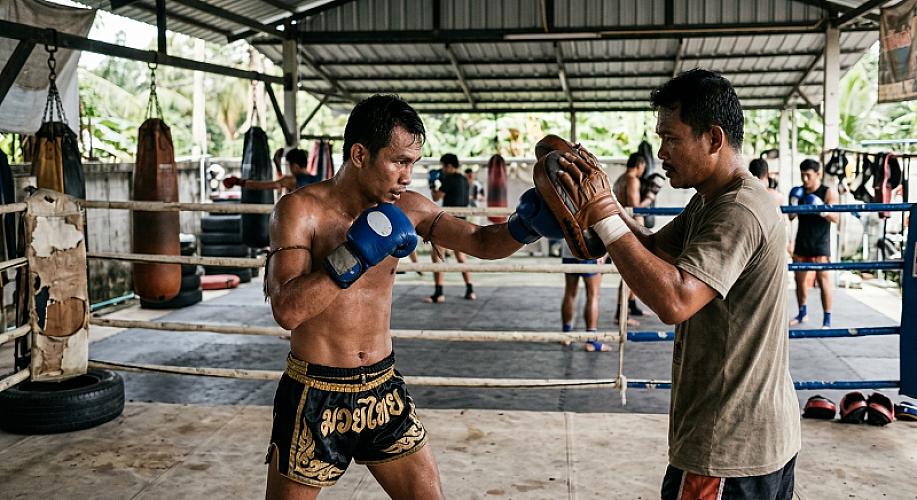
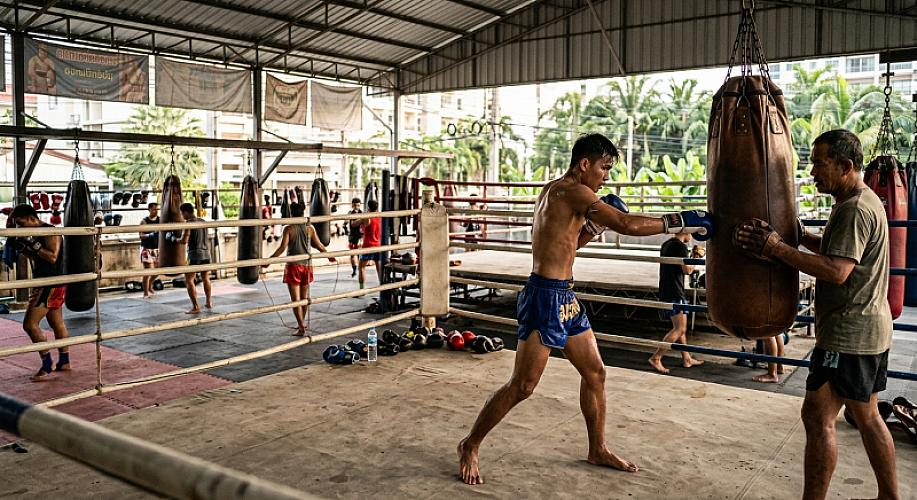
- Sumalee Boxing Camp (Rawai): This is a cool option because it is a Muay Thai camp that also has a dedicated yoga division. Their 200-hour course is around 60,000 THB with accommodation. It attracts a very active, fitness-focused group of students.
Yoga hubs in Koh Samui
Samui has some of the most famous yoga schools in Asia.
- Samahita Retreat: Located in Ban Taling Ngam, this is a premium option. Their courses are usually between 70,000 and 80,000 THB. The facilities are top-notch and the food is amazing. If you want a high-end experience with world-class teachers, this is it.
- Yoga Thailand: Near Baan Tai, this is a more affordable and traditional alternative. You can find courses for around 45,000 to 55,000 THB. It is less like a resort and more about the practice itself, with a strong focus on meditation.
Training in Chiang Mai
Chiang Mai is the cheapest place in Thailand to do your YTT. The cooler weather in the north also makes those long training days a lot more comfortable than in the heat of the islands.
- The Yoga Tree: Near Nimman Road, they offer courses starting around 35,000 THB. Since Chiang Mai is so affordable, your money goes a lot further here for food and independent accommodation.
- Wild Rose Yoga: Located in the Old City, they have a solid reputation and courses for about 40,000 THB. If you are interested in therapeutic yoga, check out Akara Yoga in the same area.
What to check before you pay a deposit
Don't just book based on a pretty Instagram feed. Check these three things first:
- Yoga Alliance Registration: Make sure the school is actually registered so your certificate counts internationally. You can look them up on yogaalliance.org.
- Class Size: I recommend staying under 20 students. If the group is too big, you won't get enough individual feedback on your teaching.
- Lead Teachers: Ask who is actually teaching the daily classes. Sometimes a "famous" teacher is on the flyer, but junior staff do all the work. You want to know who is teaching the anatomy and philosophy sections specifically.
A reality check
Finishing a 200-hour YTT means you are allowed to teach, but it doesn't make you an expert. Most teachers I know say it takes at least two or three years of regular teaching before they really feel confident. Think of the YTT as the foundation. Even if you don't plan on teaching, doing a month-long intensive is a great way to take your own practice to the next level.
The RoamFit editorial team researches and maintains Thailand's fitness directory. We combine verified Google data, on-the-ground knowledge of gyms, Muay Thai camps and studios, and hands-on testing to help expats, health tourists and locals train anywhere in the country. Every guide is fact-checked against the listings in our directory.