CrossFit & Functional Fitness in Koh Samui: Drop-Ins
A direct guide to dropping into functional fitness gyms on Koh Samui, covering official affiliates, open gym facilities, real drop-in prices, and practical humidity tips.
Training functional fitness on a tropical island sounds easy until you face the Samui midday heat and humidity. Koh Samui does not have dozens of official CrossFit affiliates, but it has a strong collection of functional training spaces, open-air strength boxes, and specialized conditioning facilities scattered across Chaweng, Lamai, and Bangrak.
Whether you need an official CrossFit box with programmed barbell workouts, a drop-in open gym with power racks, or a outdoor functional circuit, here is what you actually need to know before putting on your lifters.
Official CrossFit vs. Functional Training Boxes on Samui
If you need official CrossFit programming and certified coaches, your options on Samui are specific. The island has seen gym names change and rebrand over the years, so relying on old forum posts often leads to empty lots.
Official affiliates like CrossFit Chaweng (when actively licensed under the brand name) operate under strict CrossFit HQ standards, offering structured 60-minute classes split into warm-up, skill or strength work, and a MetCon. Expect standard equipment: Rogue or High Temp bumper plates, Concept2 rowers, SkiErgs, assault bikes, pull-up rigs, and gymnastic rings.
However, many top strength facilities on the island operate as independent functional fitness or hybrid strength gyms rather than paying the annual CrossFit affiliate fee. Gyms like Lamai Fitness or local strength camps near Bophut run functional conditioning, Hyrox prep, and strength sessions that mirror classic CrossFit workouts. They use the same barbells, kettlebells, and plyo boxes, but their class schedules might list them as MetCon, Functional Strength, or Sweat sessions.
Key Gyms for Drop-Ins and Day Passes
Chaweng Area
Chaweng is the most accessible base if you do not drive a scooter. Facilities in and around Chaweng tend to be well-equipped with modern indoor space, air-conditioning in select zones, and dedicated open gym floors., What to expect: Single drop-in classes usually cost between 400 THB and 500 THB. Open gym access without a class often runs from 300 THB to 400 THB for a day pass., Equipment standard: High-density rubber floor tiles, full sets of Olympic barbells, kettlebells up to 32kg, wall balls, and air bikes.
Lamai Area
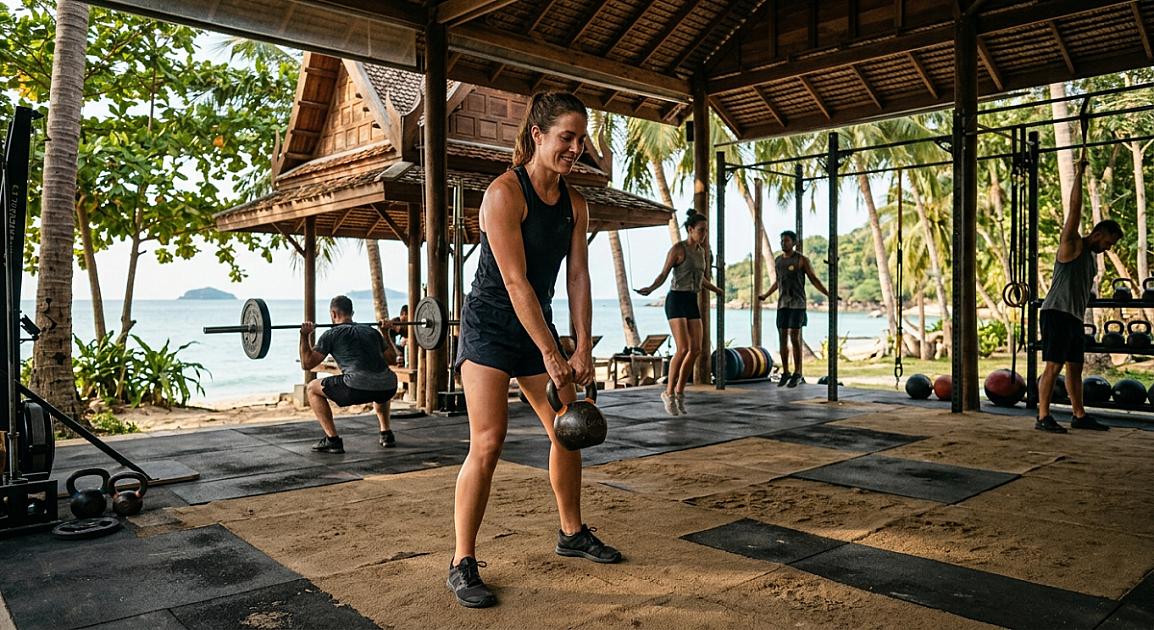
Lamai offers a slightly slower pace than Chaweng, with a heavy concentration of outdoor and semi-open training spaces. Gyms here lean toward outdoor rigs, turf tracks, and heavy conditioning., What to expect: Training outdoors in Lamai means dealing with full ambient heat. Drop-in classes cost around 350 THB to 450 THB. Weekly passes offer significant savings if you train four or more times, usually priced around 1,500 THB to 2,000 THB., Equipment standard: Heavy outdoor rigs, sled tracks, sandbags, tractor tires, along with standard barbells and plates.
Bangrak and Bophut
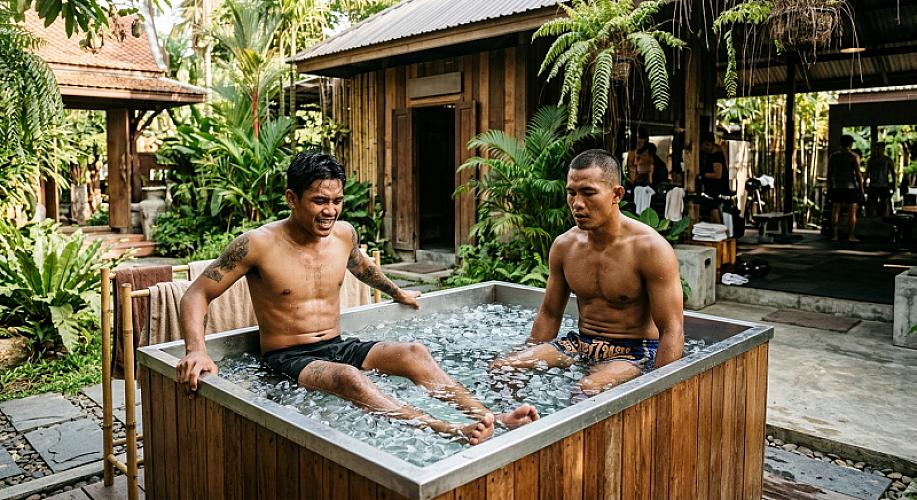
If you stay near the North Coast, facilities around Bangrak and Bophut serve a large expat population. These gyms often balance functional group classes with recovery options like ice baths and saunas on site., What to expect: Expect clean facilities, strong community cultures, and structured morning classes starting as early as 7:00 AM to beat the noon sun.
Understanding Drop-In Fees and Pass Types
Prices across Koh Samui are fairly standardized, though slightly higher than mainland Thailand cities like Chiang Mai., Single Class Drop-In: 400 THB to 500 THB. This includes access to one scheduled coached class., Open Gym Pass: 300 THB to 400 THB. Grants access to the equipment during open floor hours., 10-Class Pack: 3,200 THB to 4,500 THB. Best for visitors staying two to three weeks., Weekly Unlimited: 1,500 THB to 2,200 THB. Ideal for dedicated daily athletes., Monthly Unlimited: 4,500 THB to 6,500 THB. Standard rate for digital nomads and long-term stays.
Always check if the gym accepts credit cards. Many smaller boxes operate on a cash-only basis or require payment via local Thai QR transfer (PromptPay).
Managing Heat, Humidity, and Gear
Training on Koh Samui requires real adjustments to your physical pacing and gear maintenance, especially if you come from an air-conditioned home gym.
- Chalk and Grip: Humidity makes bars slick very quickly. Bring your own liquid chalk if possible, though most boxes supply powdered chalk. Knurling on local barbells can wear down fast from salt air exposure, so inspect your bar before loading heavy overhead lifts.
- Hydration: Drinking plain water is often not enough during a high-intensity summer MetCon. Buy electrolyte powder (sachets like Royal-D cost around 5 THB at any 7-Eleven) and mix it into your water during sessions.
- Footwear: If you train at an outdoor covered facility, sweat on smooth concrete or rubber matting can create slick spots. Wear shoes with deep tread rather than smooth lifting soles if the workout involves lateral movements or shuttle runs outside.
- Class Timing: The safest and most effective time to hit a MetCon is the earliest morning class (usually 7:00 AM or 8:00 AM) or the late afternoon session (5:00 PM or 6:00 PM). Training between 11:00 AM and 3:00 PM in an open-air gym will drastically drop your power output and raise heat fatigue risks.
Getting Around Samui to Train
Public transport options like the BTS or MRT do not exist on Samui. To move between your resort and the gym, you have three practical choices:, Scooter Rental: Costs 200 THB to 300 THB per day. It is the easiest way to commute to morning classes, but only ride if you have an international driving permit, helmet, and experience., Songthaews (Red Trucks): These shared pickup trucks run main routes along the ring road between Nathon, Chaweng, and Lamai. Fares range from 50 THB to 150 THB depending on distance. Wave them down and clarify your stop before getting in., Ride-Hailing Apps: Grab and Bolt operate on Koh Samui. Bolt is generally cheaper than Grab, but car availability can be thin during early morning hours (6:30 AM). Schedule rides in advance if you have a strict class start time.
Frequently Asked Questions
Do I need to book CrossFit drop-ins in advance on Koh Samui?
Yes, booking in advance is recommended. Many functional fitness boxes cap class sizes to maintain space and equipment access. Message the gym on Instagram, WhatsApp, or Facebook at least 24 hours ahead.
Are Koh Samui gym drop-ins cash only?
Many independent fitness boxes prefer cash (THB) or local Thai QR bank transfers. Larger wellness resorts accept credit cards, but keeping 500 THB cash on hand is safest for single drop-in fees.
Do gyms on Koh Samui have air conditioning?
It varies. Traditional CrossFit boxes and strength facilities on Samui are mostly open-air covered warehouses with large industrial fans. Some modern hybrid studios offer air-conditioned main floors, but expect ambient heat in most spaces.
Can I do open gym workouts without joining a class?
Yes, almost every box and functional training facility offers dedicated open gym hours or day passes that let you use the rigs, barbells, and cardio equipment independently outside of peak class times.