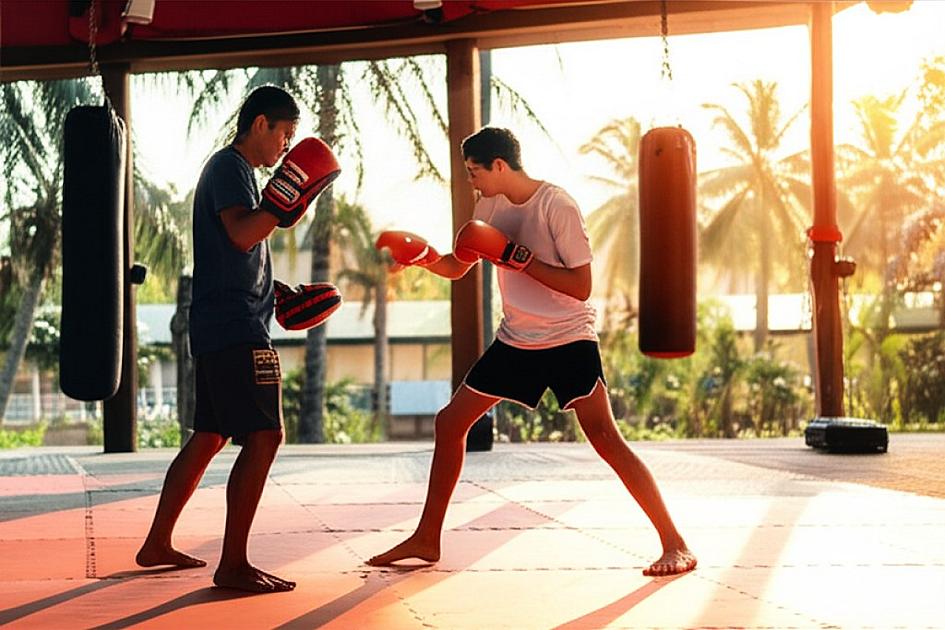
Surviving Your First Week at a Phuket Muay Thai Camp: What to Expect
What really happens during your first week at a Phuket Muay Thai camp — physical demands, training schedules, and how to survive and thrive.
The first week at a Muay Thai camp in Phuket is almost always harder than people expect — and harder in specific ways that nobody quite warns you about. This guide covers what actually happens to your body and mind in days one through seven, and how to get through it without injuring yourself or quitting early.
Day 1–2: The Enthusiasm Phase
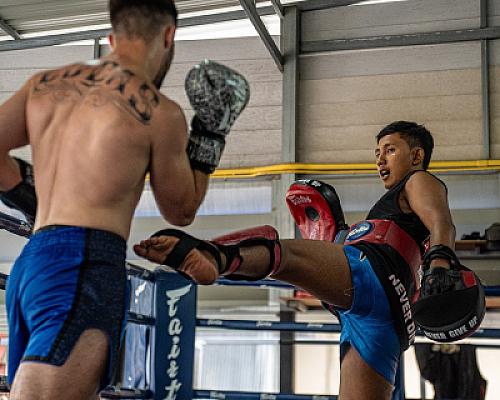
The first session feels manageable. You're energised by the novelty, the trainers are patient with beginners, and the full session hasn't really started yet — most camps keep new arrivals on basics: stance, the jab-cross, low kicks, and getting familiar with the bag.
The danger in the first two days is doing too much. New arrivals routinely push harder than they should because they feel fine during the session. The delayed onset muscle soreness arrives 24–48 hours later. If you exhaust yourself on day one, day three becomes very difficult.
What to do: Hold back 20–30% in your first two sessions. You're not being assessed. Focus entirely on technique rather than power or speed. Your trainers will respect controlled technique more than hard effort executed badly.
Day 3: The Wall
Day three is notorious among Muay Thai camp visitors. The initial adrenaline has worn off, the soreness from days one and two has set in, and the heat has started to accumulate. Your legs will be stiff — the kicking motion uses hip flexors, glutes, and adductors in ways that gym training at home rarely engages. Your shins may be bruised from bag work and partner drills. Your shoulders will be sore from guard work and padwork.
Many people consider quitting on day three. Almost everyone who pushes through is glad they did.
What to do: Reduce training volume rather than skipping entirely. Tell your trainer you're sore — they've seen it hundreds of times and will adjust your session accordingly. Use the afternoon for active recovery: a 20-minute swim, light stretching, or a sports massage. Don't rest completely, which tends to make the stiffness worse.
Day 4–5: Adaptation
Something shifts around day four. The sharpest soreness eases and the movement starts to feel more natural. Your body begins adapting to the heat — a physiological process that takes 7–14 days to complete but starts noticeably in the first week. Sessions that felt overwhelming start feeling merely hard.
This is when you start picking up technique. The jab-cross-teep combination that felt clumsy on day one starts to feel like an actual sequence. Trainers begin pushing harder because they can see you're ready for it.
What to do: Start paying attention to feedback from your trainer rather than just surviving the session. Ask questions after padwork. Watch the more experienced students and notice what they're doing differently.
Day 6–7: The Groove
By the end of the first week, the routine has set in. You know the schedule, you know your trainers, you know which bag is best for left kicks. The soreness is now a background condition rather than a crisis. You're sleeping better than you have in months.
Most people feel a significant shift in motivation at the end of week one — from "I'm surviving this" to "I want to keep improving." That shift is the point.
The Physical Realities Nobody Mentions
Shin Conditioning
Your shins will hurt. Experienced Muay Thai practitioners have heavily calloused, almost nerve-deadened shins from years of bag work and sparring. Yours don't. Bag kicks will bruise the bone, particularly at the beginning. This is normal and temporary, but it means throttling back the power of kicks in week one.
Rolling a glass bottle along the shin is an old conditioning trick, but the honest answer in week one is to let the shins harden gradually rather than forcing the process. They'll toughen within two to three weeks of regular training.
Heat and Sweat
Phuket is hot and humid. Outdoor Muay Thai sessions — particularly afternoon sessions between 3–5 PM — happen in 32–35°C heat with 80%+ humidity. You will sweat more than you've ever sweat. Hydration matters enormously: drink water constantly throughout the day, not just during sessions.
Electrolyte supplements help if you're training twice daily. Coconut water is widely available and a cheap natural source. Avoid heavy meals within two hours of training — nausea from training in heat with a full stomach is a common first-week problem.
Blisters and Skin
Barefoot training on rough mats causes blisters on the balls of the feet and toes. Rope skipping barefoot — a standard warm-up — is particularly effective at creating them. Some camps have mat areas that are rougher than others.
Keep blisters clean and covered. Tropical infections from open wounds are a real risk. Your bag should include antiseptic, blister plasters, and anti-fungal cream. The full packing guide covers everything else you'll need.
Mental Fatigue
Twice-daily training is cognitively demanding, not just physically. You're learning new movement patterns, processing trainer feedback, and managing mild discomfort continuously. By late afternoon of days two through four, decision-making feels harder than usual and emotional resilience dips. This is normal training fatigue — not a sign something is wrong.
Protect your evenings. Quality sleep is the most important recovery tool you have. Staying out late in Patong during a camp week significantly undermines your progress and increases injury risk.
Recovery Tools That Actually Help
Sports massage: A one-hour Thai sports massage between sessions does more for first-week recovery than almost anything else. Phuket has excellent massage available cheaply near most training areas — budget 400–600 THB per session and schedule it every two to three days in week one. See the sports massage guide for what to look for.
Ice baths: Several gyms and wellness centres offer ice baths for post-session recovery. The cold reduces inflammation in bruised shins and overworked muscles. Ten minutes at 10–15°C is enough. The recovery guide covers where to access these on the island.
Compression: Compression tights or calf sleeves worn between sessions reduce muscle soreness and help with the leg heaviness that accumulates through the week.
Strength work: Counterintuitively, light strength and conditioning work — kettlebell swings, bodyweight squats, core exercises — keeps the muscles loose and reduces stiffness. Doing nothing on rest periods often makes the next session harder. See the S&C for Muay Thai guide for what to add.
Common First-Week Mistakes
Sparring too early: Some camps allow new arrivals to spar within the first few days. Resist this. Sparring before you have basic defensive reflexes is how beginners get their nose broken or take a knee to the thigh that sidelines them for the rest of the week. Most experienced coaches recommend waiting until week two at minimum.
Training through sharp pain: Dull soreness is part of the process. Sharp, localised pain — especially in joints — is a warning. Stress fractures in the shin (rare but real), sprained wrists from improper guard, and strained hip flexors from kicking can all occur in week one if you push through the wrong signals.
Ignoring trainer feedback to train harder: The instinct is to show effort by going flat out. Trainers can see through this. The students who improve fastest in week one are the ones who listen carefully and execute slowly, not the ones throwing the hardest kicks.
Skipping meals: Training twice daily on insufficient calories produces fatigue, poor recovery, and increased injury risk. Thai food near most gyms is nutritionally solid and cheap — eat rice, protein, and vegetables at every meal. Don't attempt a caloric deficit during a high-volume training week.
Choosing the Right Camp for Your First Week
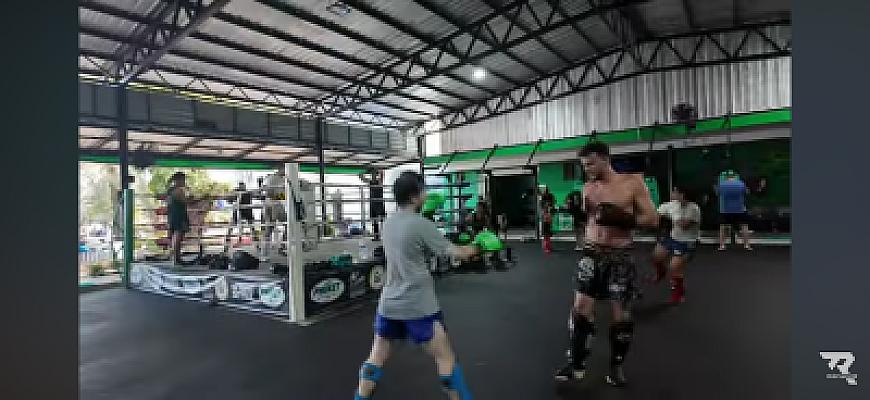
Not all camps are equally suited to beginners. Large camps with dedicated beginner programmes provide more structured first-week support — separate beginner sessions, patient trainers, and a community of other new arrivals in the same position. Smaller traditional camps can be excellent but may assume more baseline fitness and technique.
See the full guide to Phuket's Muay Thai camps for a comparison of what different camps offer beginners. For those who want a gentle introduction before committing to a camp, the beginner-friendly gyms guide covers drop-in options that let you test the water first.
By the End of Week One
You'll be fitter than when you arrived — not by much, but measurably. You'll be sleeping deeply. You'll have the beginning of something that might become a habit. And you'll understand, in a way no article can fully convey, why people come back to Phuket to train year after year.
The first week is the hardest. Everything after that is building on it.
The RoamFit editorial team researches and maintains Thailand's fitness directory. We combine verified Google data, on-the-ground knowledge of gyms, Muay Thai camps and studios, and hands-on testing to help expats, health tourists and locals train anywhere in the country. Every guide is fact-checked against the listings in our directory.