Sports Massage in Phuket: Where to Recover Like an Athlete
A complete guide to sports massage, Thai deep tissue, and athletic bodywork in Phuket, including real prices, camp-adjacent spots, and recovery protocols.
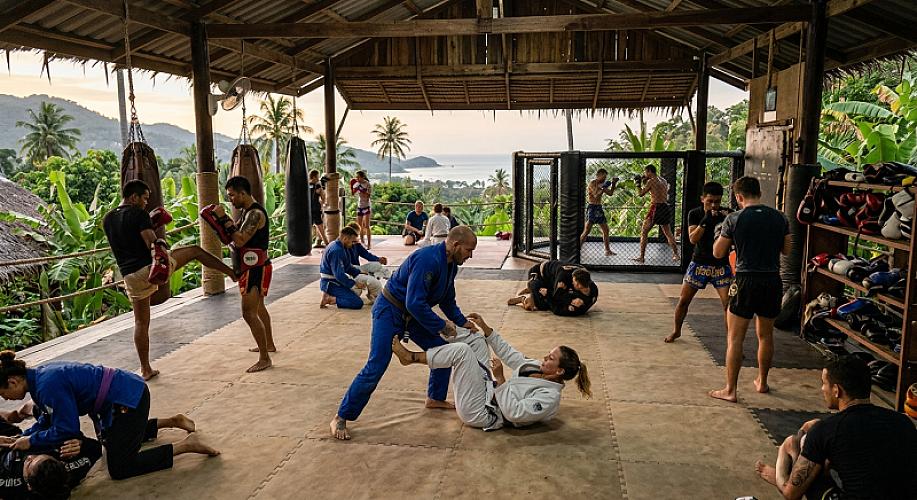
Training in Phuket taxes the body in specific ways. High humidity speeds up fluid loss, twice-daily Muay Thai or BJJ sessions overload joints, and heavy lifting on Soi Ta-ied leaves your nervous system fried. Bodywork here is cheap, accessible, and essential if you want to finish a month-long camp without tearing something.
Phuket has two distinct bodywork worlds: tourist-oriented relaxation shops and therapeutic practitioners who work on fighters, weightlifters, and runners daily. Knowing where to go, what style to ask for, and how to schedule your sessions makes the difference between basic relaxation and true physical restoration.
The Mechanics of Athletic Bodywork in Thailand
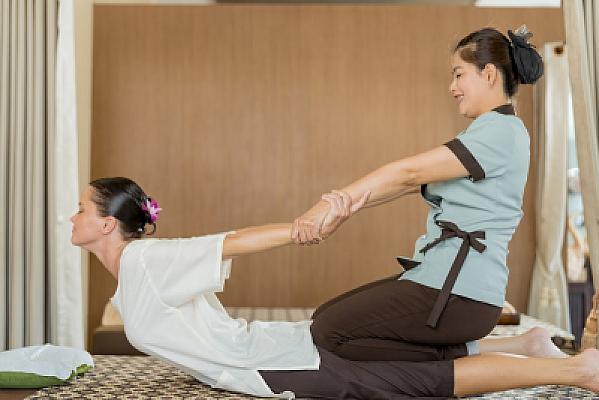
Traditional Thai massage (Nuad Thai) is fundamentally different from Western table massage. You stay clothed in loose cotton garments and lie on a firm mattress on the floor. The therapist uses thumbs, palms, elbows, knees, and feet to apply rhythmic compression along energy lines (Sen lines), combined with passive stretching.
For an athlete, Thai massage acts as forced mobility work. It forces your hips into external rotation, opens up tight hip flexors, and decompresses the lower spine. If you spend your morning throwing roundhouses or sitting in a deep squat, a skilled Thai massage therapist can restore joint range of motion faster than self-directed stretching.
Western sports massage and deep tissue work, by contrast, rely on oil or lotion applied directly to the skin on a padded table. The therapist works cross-grain across muscle fibers to strip out adhesions, break down tight knots (trigger points), and push out fluid accumulation.
Both styles have distinct advantages during a heavy training block:
- Traditional Thai: Best for overall joint mobility, hip opening, spine decompression, and general muscle tightness.
- Deep Tissue / Sports Massage: Best for targeted acute issues, dense muscle groups like hamstrings, quads, and lats, or chronic knotting from heavy lifting.
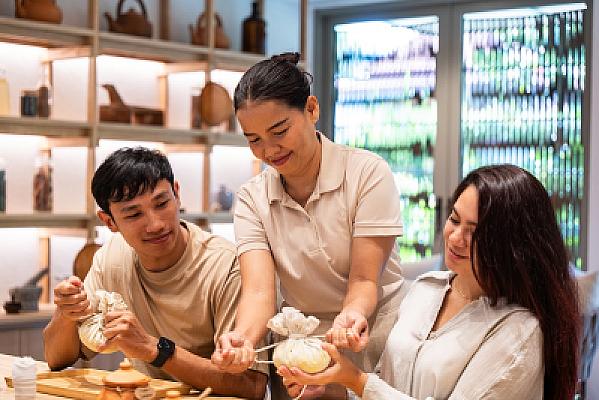
- Thai Herbal Compress (Luk Pra Kob): Steamed muslin bags stuffed with fresh turmeric, ginger, lemongrass, and kaffir lime. Applied over tight muscle groups after heavy pressure. The heat penetrates deep into joints while the herbs reduce surface inflammation.
Realistic Pricing and What You Pay For
Massage prices in Phuket vary based on location, air conditioning, cleanliness, and therapist expertise. Chalong and Rawai offer the best ratio of skill to price because competition for fighter custom is high.
| Service (60 Minutes) | Street / Local Shop | Fighter / Specialized Hub | High-End Spa / Resort |
|---|---|---|---|
| Traditional Thai | 250, 350 THB | 400, 600 THB | 800, 1,500 THB |
| Deep Tissue / Sports | 400, 600 THB | 600, 900 THB | 1,200, 2,500 THB |
| Oil Massage | 300, 400 THB | 500, 700 THB | 1,000, 2,000 THB |
| Herbal Compress Add-on | 150, 200 THB | 250, 400 THB | 500, 800 THB |
| Foot / Reflexology | 250, 350 THB | 350, 500 THB | 600, 1,200 THB |
Tipping is expected for good service. For a standard 60-minute session at a local shop, 50 to 100 THB is standard. For a highly targeted 90-minute sports massage where the therapist put in serious physical work, tip 100 to 200 THB cash directly to the therapist.
Reliable Recovery Spots in Key Training Districts
Chalong (Soi Ta-ied & Surrounds)
Soi Ta-ied is the epicenter of Muay Thai and MMA training in Phuket. The massage shops on this strip deal with broken down athletes every hour of the day.
Nara Massage Spa (Chalong) sits on Patak Road near the top of Chalong. Therapists here are accustomed to dealing with bruised shins, tight lats, and over-worked hips. They offer clean rooms, strong air conditioning, and therapists who understand pressure requests without back-and-forth communication issues. Prices start around 300 THB for standard Thai work.
Along Soi Ta-ied itself, small open-air shops line the street. Quality can vary based on which therapist is free, but places immediately adjacent to major camps like Tiger Muay Thai or Dragon MMA cater almost exclusively to fighters. Look for shops where therapists are actively working on large athletes on floor mats; those staff members generally have strong thumbs and heavy forearm pressure.
Rawai and Nai Harn
Rawai has become the top hub for longer-stay digital nomads, weightlifters, and fighters who prefer a quieter beach environment.
Ton Mai Spa & Massage (Rawai) is located on the main road running through Rawai. It offers a cleaner, higher-end environment than basic street shops without resort pricing. Their deep tissue work is consistent, and they offer combinations of oil massage with hot herbal compresses that work well after cold plunge sessions.
Mangosteen Ayurveda & Wellness Resort on the hills of Rawai is an option for specialized recovery. They focus on traditional Indian Ayurvedic treatments like Abhyanga warm-oil bodywork. This is less about breaking down knots and more about systemic nervous system recovery after weeks of intense training output.
Patong and West Coast
If you are staying on the west coast, avoid basic beach vendors for serious muscle work. Their focus is gentle oil application for tourists with sun exposure, not sports rehabilitation.
Gym Club Phuket (Patong) combines gym equipment, an ice bath, a sauna, and sports massage services. Doing a contrast therapy session (hot sauna into cold plunge) immediately before a 60-minute deep tissue session makes muscle tissue far more pliable, letting the therapist reach deeper layers without excessive pain.
Let's Relax Spa (multiple locations) operates clean, highly standardized venues across Phuket, including Patong and Phuket Town. While not specialized in athletic trauma, their therapists undergo rigorous internal training. You receive consistent pressure, sterile environments, and easy online booking. Expect to pay 600 to 1,200 THB depending on the treatment.
How to Communicate with Your Therapist
Language barriers can lead to a session that is either painfully hard or uselessly soft. Use simple Thai terms to get your desired result:
- Nack-nack (Strong / Deep pressure)
- Bao-bao (Soft / Gentle pressure)
- Jep (Pain / It hurts)
- Mai jep (No pain)
- Kang-bo-ri-wen-nee (Tight right here, point directly to the spot)
If you have a specific joint injury, torn ligament, or active skin infection like staph or ringworm (common in grappling gyms), stay off the massage mat entirely. Thai therapists will refuse service if they spot visible skin infections to prevent spread across mats.
Structuring a Recovery Week
Getting a hard deep tissue massage right before a heavy sparring or max-effort lifting day is a mistake. Deep bodywork creates localized inflammation and relaxes muscle tone, which reduces force production for up to 24 hours.
Here is how to sequence bodywork alongside a 6-day training schedule:
- Monday: Heavy training (Muay Thai / Strength). No bodywork.
- Tuesday: Morning training. Evening 60-minute Traditional Thai Massage. Focus on hip flexors, hamstrings, and lower back.
- Wednesday: High-intensity sparring or conditioning. No massage.
- Thursday (Rest or Light Day): 90-minute Deep Tissue or Sports Massage in the afternoon. Allow tissues to repair overnight.
- Friday: Heavy training. Muscle tissue may feel slightly soft early in the session but recovers full tone by afternoon.
- Saturday: Morning training. Late afternoon 60-minute Oil Massage with Thai Herbal Compress to soothe inflamed joints.
- Sunday: Complete rest. Ice bath and light stretching only.
Combining Modalities: Ice, Heat, and Bodywork
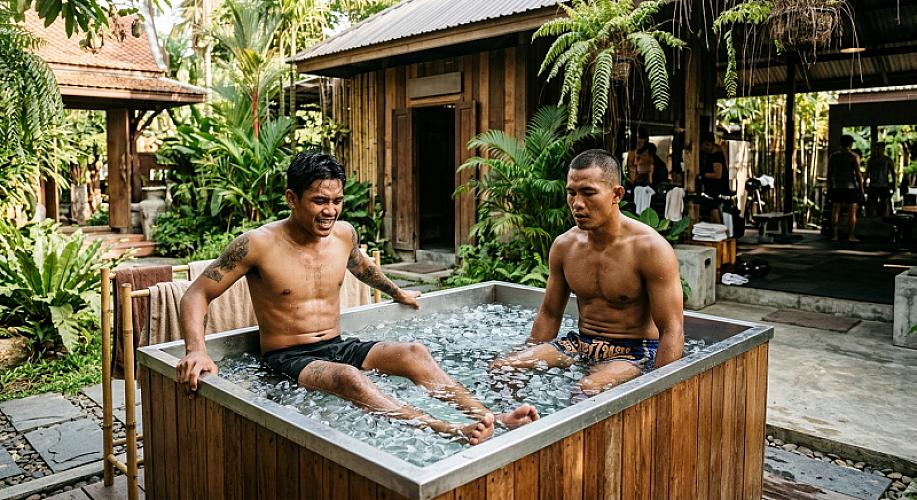
Massage works best when paired with environmental temperature contrast. Chalong and Rawai now feature dedicated recovery centers equipped with commercial ice baths (kept between 3°C and 7°C) and traditional Finnish saunas.
Using a sauna for 15 minutes prior to your massage increases core body temperature, expands blood vessels, and softens superficial fascia. This allows the therapist to work deep into muscle groups with less mechanical resistance.
Conversely, saving the ice bath for 20 minutes after a heavy deep tissue massage helps flush out localized metabolic waste and cuts down post-massage sore tissue sensation (DOMS).
Check our full Phuket recovery facility guide for specific venue locations, or consult our breakdown of Phuket training prices to budget your entire trip.
Frequently Asked Questions
How much should I tip for a sports massage in Phuket?
Tip 50 to 100 THB for a basic 60-minute street massage. For a specialized 90-minute sports or deep tissue session where the therapist worked hard, tip 100 to 200 THB cash directly to your practitioner.
Should I get a deep tissue massage right before sparring or heavy lifting?
No. Deep tissue massage reduces muscle tone and creates temporary localized inflammation. Schedule heavy deep tissue work on rest days or after your final hard session of the day to avoid performance drops or injury.
Can I get a massage if I have mat burn or a skin rash from training?
No. Reputable Thai massage shops will refuse service if you have open skin wounds, severe mat burn, ringworm, or staph infection. Heal all skin lesions completely before booking bodywork to prevent spreading bacteria across shared mats.
The RoamFit editorial team researches and maintains Thailand's fitness directory. We combine verified Google data, on-the-ground knowledge of gyms, Muay Thai camps and studios, and hands-on testing to help expats, health tourists and locals train anywhere in the country. Every guide is fact-checked against the listings in our directory.