Fitness Classes in Chiang Mai: Gyms vs. Studios
An honest guide to choosing the right fitness classes, gyms, and outdoor training spots in Chiang Mai based on your budget, location, and the local climate.
Chiang Mai attracts thousands of expats, digital nomads, and slow travelers who want to maintain a healthy lifestyle. The city has a diverse fitness scene, but it is highly fragmented. You can lift weights in a massive open-air warehouse, practice yoga in a traditional wooden house, or run around a lake at the foot of the mountain.
Choosing where to train is not just about the workout itself. You have to factor in the intense tropical heat, the annual burning season, and the logistics of getting around the city. This guide breaks down the practical realities of gyms, boutique studios, and outdoor training in Chiang Mai to help you make the right choice.
Traditional Gyms: Air-Conditioned vs. Open-Air
Gyms in Chiang Mai generally fall into two categories. You have modern, air-conditioned facilities and large, open-air, fan-cooled warehouses. Your choice will depend on your budget and your tolerance for heat.
If you want modern equipment and cold air, commercial gyms are your best option. Maxx Professional Fitness, located on the top floor of Maya Mall in Nimman, is a popular choice for expats. A day pass costs around 450 THB, while a monthly membership is about 2,500 THB. It features modern cardio machines, lifting platforms, and group classes. The main benefit here is the climate control. Training in 35-degree Celsius heat is exhausting, and air conditioning makes long workouts much more manageable.
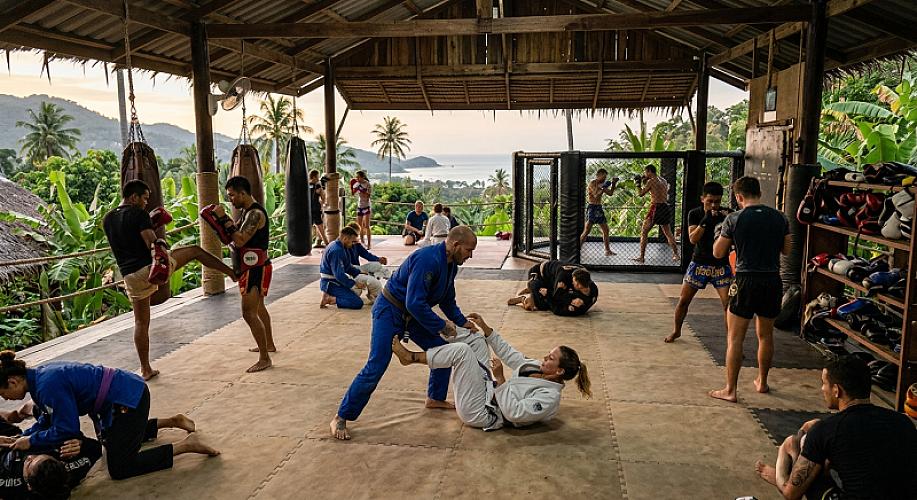
On the other end of the spectrum are open-air gyms. Go Gym, located near the Superhighway, is a local institution. It is a massive, covered warehouse filled with a huge variety of free weights, machines, and boxing bags. It has no air conditioning, only large industrial fans. A day pass is incredibly cheap at 100 THB, and a monthly pass costs around 1,200 THB. Training here is sweaty and intense, but the community is highly motivating and the equipment selection is unmatched for the price.
Boutique Studios: Yoga, Pilates, and Muay Thai
If you prefer structured group classes, Chiang Mai has a strong selection of specialized studios. These venues offer smaller class sizes and more direct instruction.
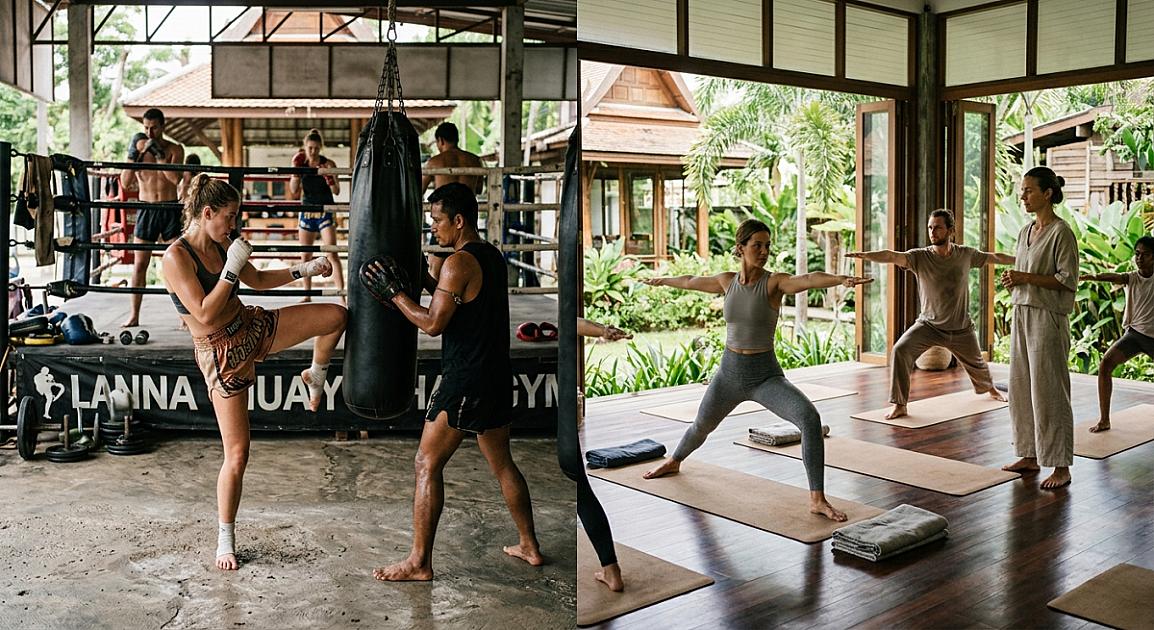
For yoga, the Old City and Nimman are the primary hubs. Wild Rose Yoga, located in a quiet alley in the Old City, offers daily vinyasa and yin classes in a traditional wooden building. Classes cost 300 THB per session. The focus here is on authentic, alignment-based practice. Yoga Ananda in Nimman is another reliable option, offering more contemporary classes in an air-conditioned space for around 250 THB per class.
Muay Thai is another major draw. Chiang Mai Muay Thai Gym, located inside the Old City moat, offers group classes for 300 THB. These sessions last two hours and include skipping, pad work, bag work, and strength conditioning. It is a highly intense cardiovascular workout. The trainers are former fighters who are patient with beginners but will push experienced athletes hard.
For functional fitness and HIIT, boutique spaces like Crossfit Chiang Mai offer structured group programming. Expect to pay around 400 to 500 THB for a drop-in class, with monthly unlimited packages running around 3,500 to 4,000 THB. These studios are excellent for meeting people, making them popular with solo travelers and new expats.
Outdoor Training: Running and Calisthenics
Outdoor training is highly accessible in Chiang Mai, provided you time your workouts correctly. The midday sun is too intense for outdoor exercise, so most locals and expats train either before 8:00 AM or after 5:30 PM.
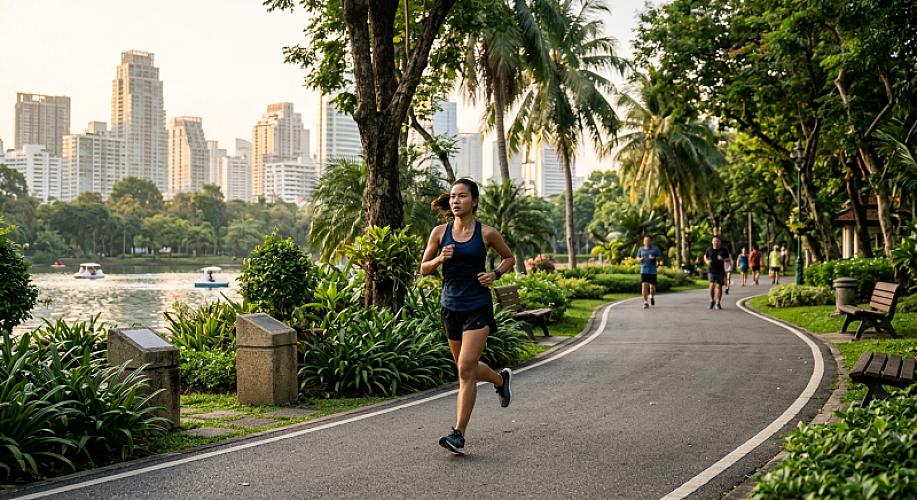
Ang Kaew Reservoir, located inside the Chiang Mai University campus, is the premier spot for outdoor running. It features a paved path around the water with views of the Doi Suthep mountain. It is free to access and becomes highly active at sunset.
For calisthenics and bodyweight training, Huay Kaew Arboretum, near the entrance to the Chiang Mai Zoo, has a basic outdoor gym setup. You will find pull-up bars, parallel bars, and concrete weights. It is shaded by large trees, making it slightly cooler than the open streets.
However, you must consider the seasonal air pollution. From February to April, northern Thailand experiences its annual burning season. Agricultural burning and forest fires cause the AQI to regularly exceed 150, and sometimes even 300. During these months, outdoor training is highly hazardous to your health. You must move your workouts indoors to gyms with high-quality air filtration systems, such as Maxx Fitness or Harris Fitness Center.
Location and Transport Logistics
Your living situation should dictate where you train. Chiang Mai is small, but traffic can become congested during morning and evening rush hours.
If you live in Nimman, you can easily walk to Maxx Fitness, Yoga Ananda, and several small F45-style studios. If you live in the Old City, you are within walking distance of Wild Rose Yoga and Chiang Mai Muay Thai Gym.
If you live further out in areas like Hang Dong, Jed Yod, or San Sai, you will need transport. Red songthaews (shared taxi trucks) cost 30 to 50 THB per ride within the city, but they do not follow fixed routes and can be slow. Renting a 125cc scooter for 2,500 to 3,500 THB per month is the most efficient way to travel between your accommodation and your preferred fitness venues. Grab cars and motorbikes are also widely available and affordable, costing around 60 to 120 THB per trip.
Frequently Asked Questions
How much do gym memberships cost in Chiang Mai?
Basic open-air gyms cost 100 THB per day or 1,200 THB per month. Premium air-conditioned gyms in malls cost 400 to 450 THB per day or 2,000 to 2,500 THB per month.
Can I train outdoors during the burning season?
No. From February to April, air pollution levels are hazardous. You should avoid outdoor running or calisthenics and train indoors at gyms with air filtration.
Do I need to book Muay Thai classes in advance?
For group classes, you can usually just show up 15 minutes before the session starts. For private one-on-one training, it is best to book a day in advance.
What is the best way to get to fitness classes?
Renting a scooter is the most convenient option. If you do not ride, using the Grab app for motorbike taxis or hailing a red songthaew is cheap and reliable.