Fitness Holiday vs Training Camp in Phuket: How to Choose the Right Experience
Not sure whether to book a fitness holiday or a training camp in Phuket? This guide helps you choose the right experience for your goals.
One of the most common questions among first-time visitors to Phuket is whether to book a dedicated training camp or keep fitness more casual alongside a beach holiday. The answer depends entirely on what you want from the trip — and being honest with yourself about that upfront will save you from either burning out or feeling like you wasted the opportunity.
This guide breaks down both approaches, who each suits, and how to make the right call for your situation.
What Is a Fitness Holiday?
A fitness holiday means keeping active as part of a broader trip. You train regularly — maybe once a day, sometimes twice — but fitness isn't the entire structure of your schedule. You're also sightseeing, eating at restaurants, taking boat trips, and generally experiencing Phuket as a destination.
This might look like:
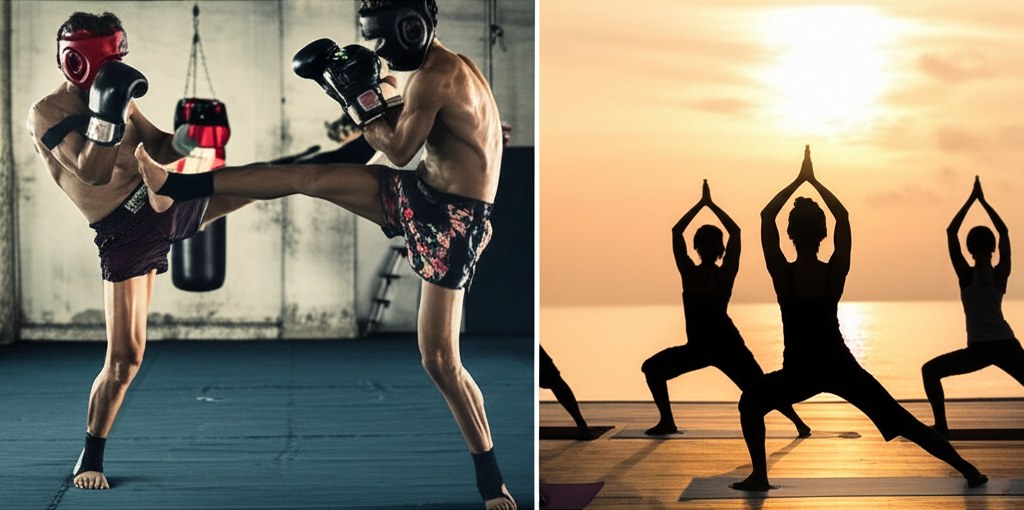
- Two Muay Thai sessions per week at a local gym, plus yoga twice and an afternoon run
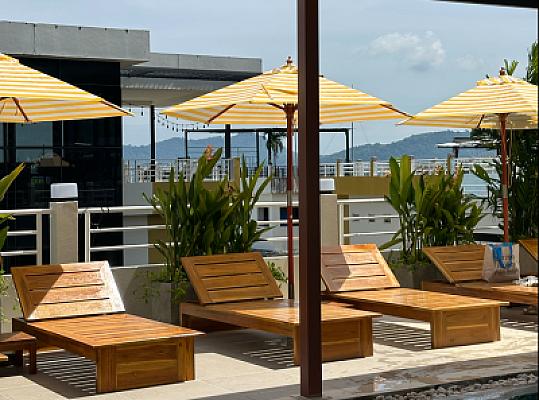
- Hotel gym in the morning, beach all afternoon
- A mix of drop-in classes at different gyms across the island
- One focused fitness retreat week inside a longer two-week trip
Fitness holidays work well for people who train regularly at home and want to maintain their routine (or improve modestly) while travelling. They suit couples or groups where not everyone has the same training goals, and travellers who want to experience Phuket beyond the gym.
What Is a Training Camp?
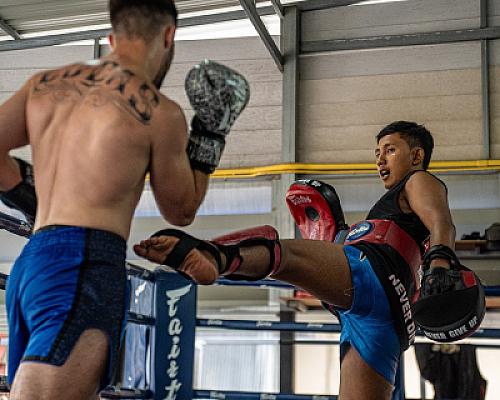
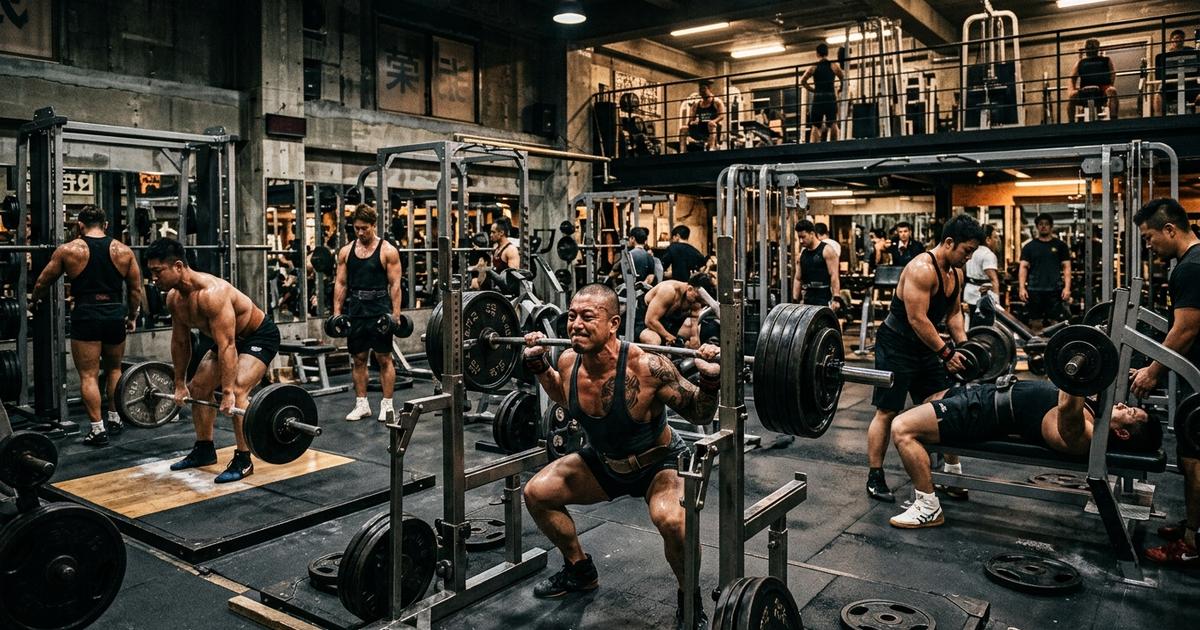
A dedicated training camp is a different experience. Your day is structured around training — typically two sessions per day, separated by rest and eating. You're there primarily to improve, and the lifestyle reflects that: early nights, limited alcohol, recovery between sessions, and full focus on one discipline.
Muay Thai camps in Phuket typically run this structure:
- Morning session: 6:00–8:00 AM (running, technique, padwork, bag rounds)
- Rest and recovery: 8:00 AM–3:00 PM
- Afternoon session: 3:00–5:30 PM (more padwork, clinching, sparring for experienced students)
- Evening: Eating and sleep
After two weeks of this, the results are measurable — improved conditioning, tighter technique, weight loss, and a genuine foundation in the sport. But it requires commitment. You can't train that volume and spend your evenings out in Patong.
The Core Trade-Off
The honest tension is this: training camps produce results, but they don't look much like a holiday. Fitness holidays feel better in the moment but rarely produce the same depth of improvement.
Neither is wrong. They're different trips. The mistake is booking a training camp when you actually want a holiday, or booking a leisurely trip and then feeling frustrated at not improving.
Signs You Want a Training Camp
- You have a specific goal — fight preparation, weight loss, building a technical foundation
- You've trained Muay Thai (or another discipline) at home and want to accelerate progress
- You're coming solo or with a training partner with the same goals
- You're happy to commit most of your day to training and recovery
- You're staying at least two weeks (one week is possible, but you spend the first few days acclimatising)
- You want the structure and accountability of a camp environment
Signs You Want a Fitness Holiday
- You're coming with a partner or group with different interests
- You want to try Muay Thai but also yoga, swimming, and maybe a cooking class
- You're on a one-week trip and don't want to spend it all inside a gym
- Fitness is important but so is experiencing Phuket — beaches, markets, temples, food
- You train at home and mainly want to maintain that while on holiday, not push harder
Where to Train: Camp vs. Drop-In
For Training Camps
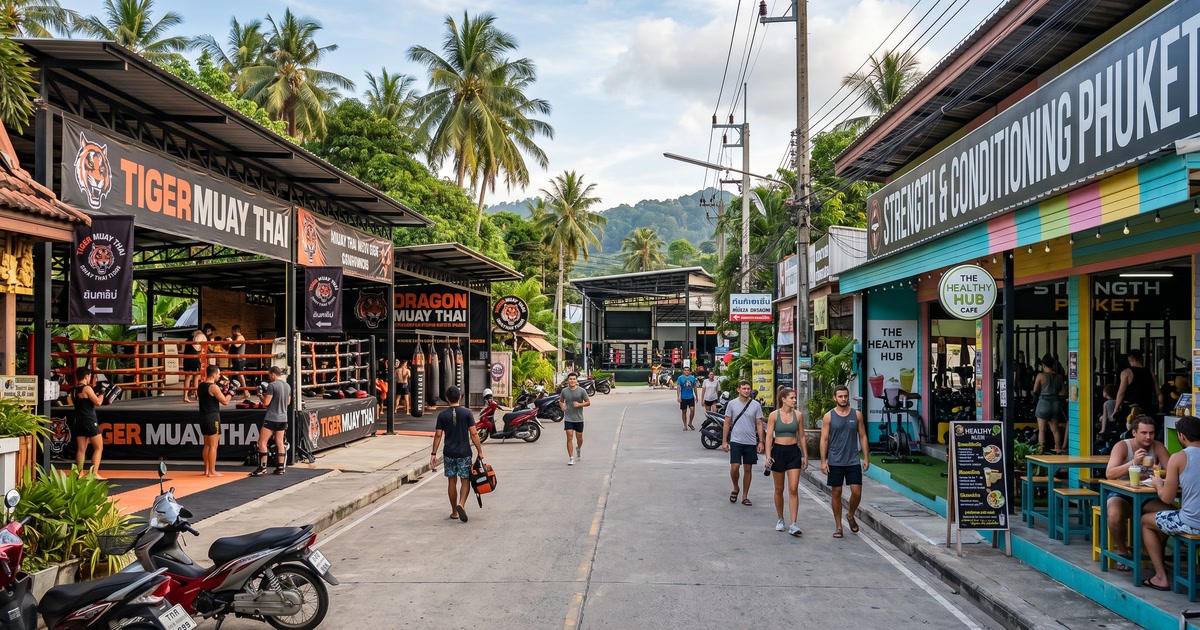
Tiger Muay Thai & MMA is one of Phuket's largest and best-known camps, with a full-day program covering Muay Thai, boxing, wrestling, and BJJ. On-site accommodation, a restaurant, and a gym mean you rarely need to leave the compound — which suits the camp mentality perfectly. The scale also means there's a large international community of fellow trainees.
Sitsongpeenong Phuket is part of one of Thailand's most respected Muay Thai lineages, with a more traditional approach than the larger commercial camps. If authentic Muay Thai development is the goal — not MMA cross-training or fitness — this is one of the better choices on the island. Smaller, more focused, with trainers who know the sport deeply.
Revolution Muay Thai Camp suits the visitor who wants a structured camp environment with experienced coaching without the scale of Tiger Muay Thai. Good for serious beginners and intermediate-level practitioners who want consistent padwork quality and a focused training culture. See our full Muay Thai training camps guide for a broader comparison of packages and pricing.
For Fitness Holidays
Drop-in flexibility is the key feature for fitness holiday travellers. Most gyms on the island sell day passes and week passes that let you train when it suits your schedule rather than committing to a twice-daily programme. See the full day pass guide for what to expect and what to budget.
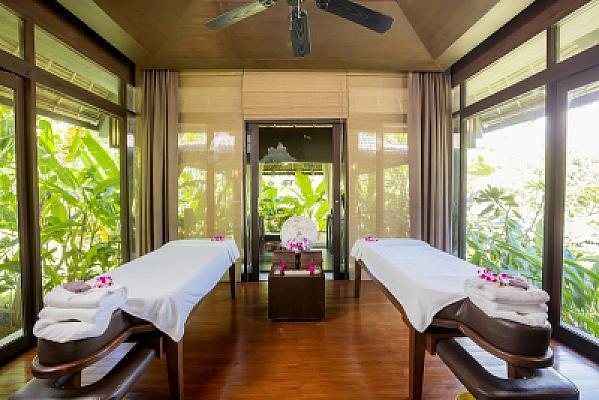
Boutique wellness options like Elite Atoll Reformer Pilates Retreats combine quality instruction with a relaxed, holiday-friendly schedule — a session in the morning, the rest of the day free. This model suits the fitness holiday approach perfectly.
Fitness holiday travellers also do well mixing disciplines across different venues — Muay Thai one day, yoga the next, a beach run in between. Our gym hopping guide covers how to do this without wasting money on unused memberships.
Budgeting for Each Approach
Training camps typically offer better value than day passes for the volume of training included — monthly packages often work out to 400–700 THB per session when you're training twice daily. But you're committing to a schedule and a location, which reduces flexibility for other activities.
Fitness holidays cost more per session (day passes run 350–600 THB at most gyms) but leave your budget and schedule open for everything else. For accurate current pricing across Phuket's main gym types, see the 2026 gym prices guide.
The Middle Path: Structured Week Plus Free Week
A pattern that works well for two-week trips: spend the first week at a Muay Thai camp on a structured programme, then shift into fitness holiday mode for the second week — lighter training, more beach time, exploring other parts of the island. You get real camp results in week one and a genuine holiday in week two.
This also works in reverse — arrive, settle in, explore during week one with drop-in training, then commit to a camp for week two when you know the island and have a better sense of which gym suits you. See the 1-week and 1-month planning guide for how to structure both approaches.
Practical Differences
Accommodation: Camp packages often include on-site rooms or direct partnerships with nearby guesthouses. Fitness holiday travellers have full freedom on where to stay. If training is primary, being within walking distance of your gym removes one friction point. If you're doing a fitness holiday, staying in a central location like Kata or Rawai gives access to multiple gyms without being tied to one.
Working with a trainer: Both approaches benefit from at least a few personal training sessions to get technique right early. Camp environments provide this naturally through daily padwork. Fitness holiday travellers should consider booking a few one-on-ones specifically for technique rather than just attending group classes. The personal trainer guide covers what to look for and what to pay.
Alcohol: Training camps and alcohol don't mix well at two-sessions-per-day volume. Fitness holidays are far more forgiving. Be honest with yourself here — if Phuket's nightlife is a draw, plan for a fitness holiday rather than a camp and avoid the frustration of committing to both.
Making the Decision
Start with your goal. If you can answer "I want to [specific outcome] by the end of this trip," a training camp is probably the right frame. If your answer is more like "I want to stay fit, try some Muay Thai, and have a great holiday," a fitness holiday is the honest choice.
Browse all Phuket fitness facilities to compare camp options, boutique studios, and commercial gyms side by side. Both paths produce a good trip — the key is knowing which one you're actually on before you arrive.