Gym Memberships for Long-Term Expats in Thailand: What to Watch Out For
Signing up for a gym in Thailand when you are planning to stay for several months sounds simple, but it often is not. The fitness industry here is quite professional, and most gyms use standard contracts. However, the te
Signing up for a gym in Thailand when you are planning to stay for several months sounds simple, but it often is not. The fitness industry here is quite professional, and most gyms use standard contracts. However, the terms vary a lot, and there are a few common clauses that can cost you money if you are not paying attention. Here is what you should look for if you are staying in Thailand for 3 to 12 months.
Month-by-month vs long-term contracts
Most gyms in Thailand have tiered pricing. You can pay monthly (the most expensive), commit to 3 months for a discount, or sign for 6 to 12 months for the best rate. If you are staying for half a year or longer, the math usually favors the long-term contract, but only if you check the exit terms first.
At mid-range Bangkok gyms like Fitness First or Virgin Active, a monthly membership is around 2,000 to 2,500 THB. If you commit to six months, it usually drops to between 1,400 and 1,800 THB. The savings add up, but the real catch is what happens if you need to leave the country early.
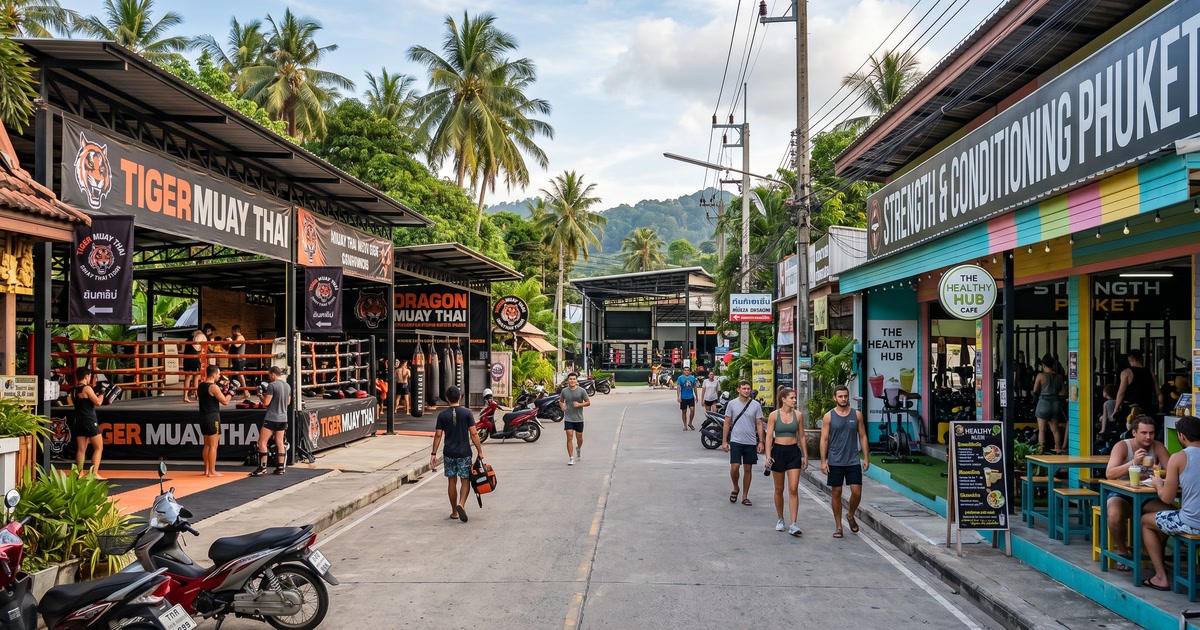
Small independent gyms are usually more flexible. In Phuket, spots like Titan Fitness or Rawai Muay Thai often negotiate on a case-by-case basis for stays of three months or more. It is much easier to have these conversations upfront than after you have already signed the paperwork.
Freeze policies: Read this before you sign
A "freeze" lets you pause your membership without canceling it. This is useful if you get sick, injured, or decide to take a trip. The rules for this vary wildly between gyms.
Some places give you one free 30-day freeze per year. Others charge a monthly fee, sometimes 300 to 500 THB, just to keep your membership on hold. Some do not allow freezes at all on short-term monthly contracts. A few premium gyms let you freeze as many times as you want in blocks of at least 7 days.
If you plan to travel around Southeast Asia while you are based here, this matters. If your gym does not allow freezes, you are basically paying for time you cannot use. Ask specifically: "Can I freeze this if I travel? How many times? Is there a fee?" Get it in writing, don't just take the front desk's word for it.
Transfer and cancellation terms
Early cancellation is where most people run into trouble. Large chains often require you to pay for the remaining months if you want out early. For example, at Fitness First, canceling a 12-month contract usually costs you the equivalent of 2 or 3 months of dues. It is in the contract, but people often miss it when they are scanning the fine print.
Some gyms allow you to "transfer" your membership to someone else if you leave. This is worth asking about if you have prepaid for several months. You will have to find the buyer yourself, but some gyms will help by posting in their member groups.
What is actually included in the price?
Do not assume that a membership gives you access to everything. Here are the common extras that might cost more:
- Classes: At some gyms, the floor is included but specific classes like yoga or spinning cost extra. At Jetts, which is one of the more affordable chains at around 1,100 THB a month, classes are usually included. CrossFit gyms are different; you are mostly paying for the classes and coaching, which usually runs between 3,000 and 5,000 THB a month.
- Lockers: Daily lockers are usually free, but if you want a permanent one to leave your gear in, expect to pay 100 to 300 THB a month.
- Personal Training: This is always a separate cost. Rates range from 400 THB at local spots to over 2,000 THB at high-end Bangkok gyms. If you buy a pack of 10 sessions, you can usually get 10% or 15% off.
Multi-site access
If you think you might move between cities, like spending time in both Bangkok and Phuket, check if your membership covers multiple locations. Fitness First and Virgin Active have "passport" style memberships, but they cost more than single-site plans. Jetts has a massive network in Thailand and their standard membership usually includes all locations, which is great for travelers.
For Muay Thai camps, there is no multi-site system. Every gym is independent. If you train in Phuket for three months and then move to Chiang Mai, you will need to start a fresh negotiation with a new gym.
Contract language and translation
Most big chains have English contracts. At smaller local gyms, it might only be in Thai. If the staff cannot explain the key terms like duration, monthly cost, and cancellation in English, that is a red flag. It tells you exactly what the customer service will be like if you have a problem later on.
How to negotiate
If you are staying for six months or more, you have more leverage than you think. Ask the manager to waive the joining fee (which is usually 500 to 1,500 THB). You can also ask for a free trial week or one free personal training session to get you started.
The best time to sign up is at the end of the month. Sales staff have targets to hit and are much more likely to give you a better deal or extra perks if it helps them meet their numbers.
The golden rule
Before you sign anything, ask: "What happens if I have to leave Thailand suddenly?" Their answer will tell you everything you need to know. A professional gym will have a clear policy. If they give you a vague answer or just say "don't worry about it," keep looking.