Koh Phangan Fitness Guide: Gyms, Muay Thai, Yoga, and Training Options
Koh Phangan is more than full moon parties. The island has real gyms, Muay Thai camps, and world-class yoga studios. Here is what to expect when training there.
Koh Phangan has a reputation built on full moon parties, but behind that image is a surprisingly solid fitness and wellness scene. The island attracts long-stay visitors, digital nomads, and retreat guests who take their training seriously. Here is what you will actually find when you show up looking to stay active.
What to Expect From Gyms on the Island
Koh Phangan is not Bangkok. The gym infrastructure is modest by city standards, but there are proper training facilities scattered across the island. Most are concentrated around Thong Sala (the main town), Haad Rin, and the quieter northern coast near Chaloklum.
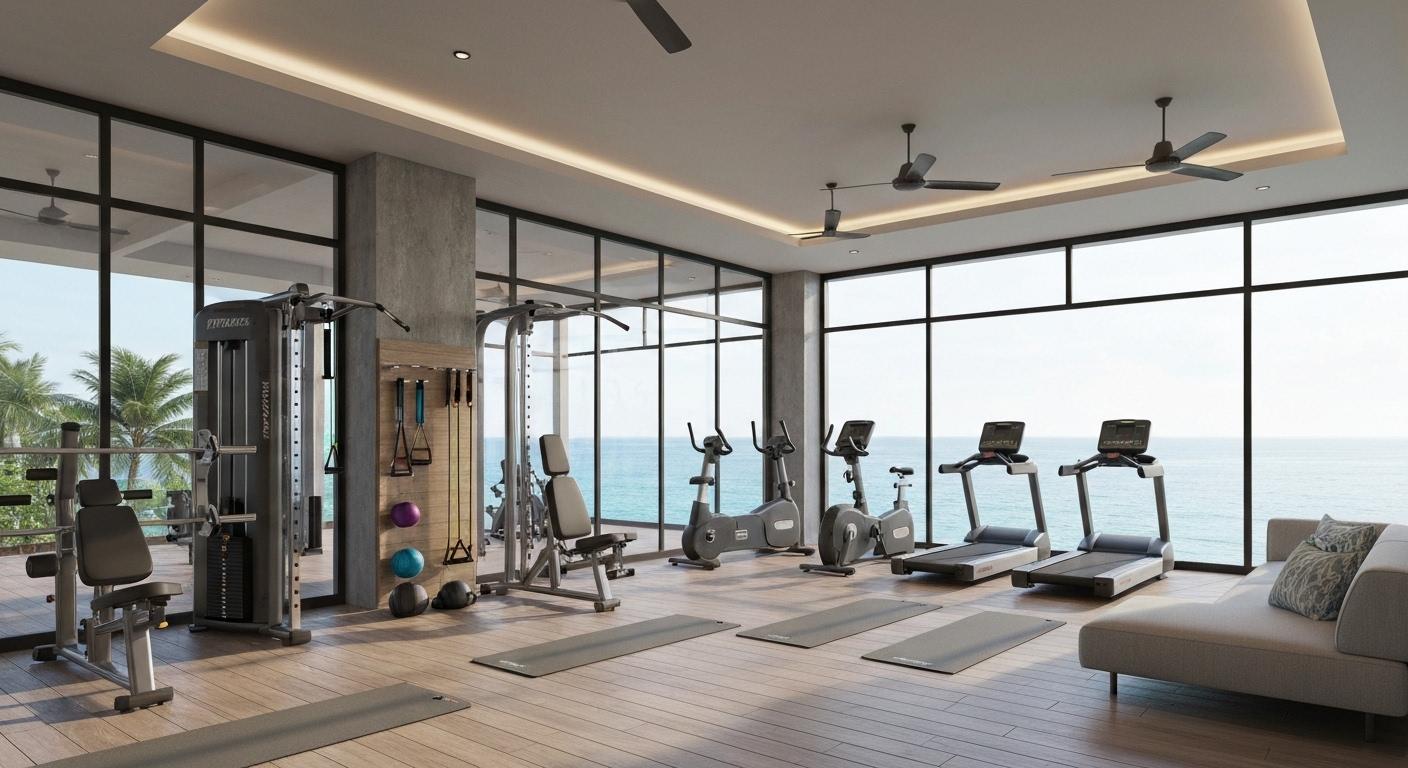
Commercial gyms on the island tend to be smaller and more community-oriented than what you would find in Phuket or Chiang Mai. Many operate out of open-air or semi-outdoor spaces, which works well in the climate for most of the year. Air conditioning is not guaranteed, so if that matters to you, check before committing.
Day passes are widely available, and weekly or monthly rates are reasonable by Thai standards. Most gyms cater to a mix of residents and transient visitors, so they are used to accommodating people who show up without a long-term plan.
Muay Thai Training
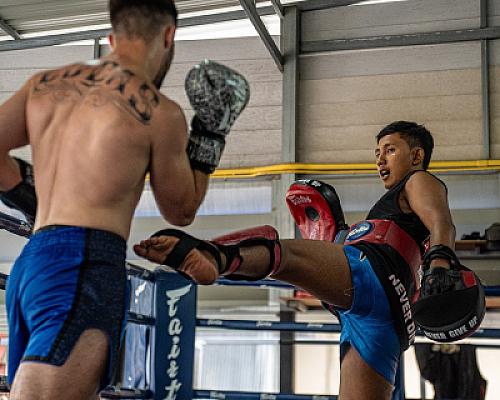
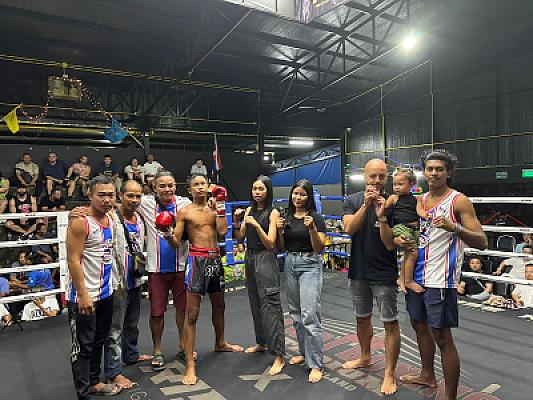
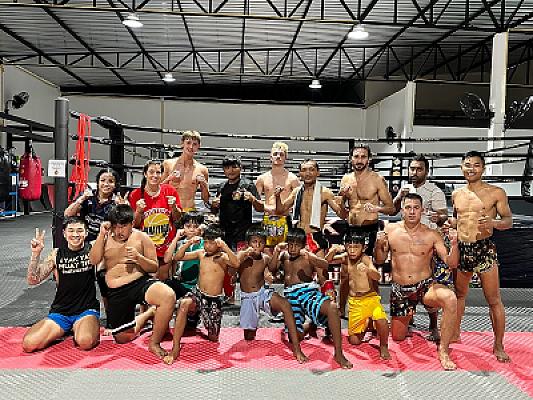
There are several Muay Thai camps on Koh Phangan, ranging from serious training environments to more beginner-friendly setups. The standard format is two sessions per day (morning and afternoon), with the option to do just one if you prefer a lighter schedule.
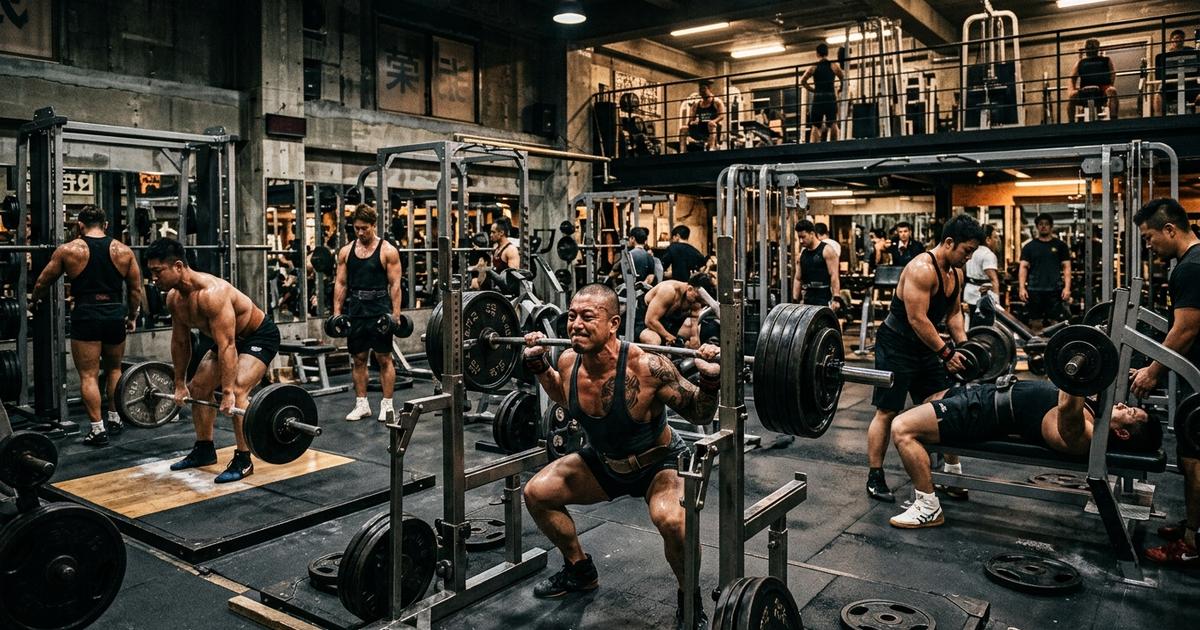
Training quality varies. Some camps have experienced Thai coaches who train fighters professionally; others run more relaxed sessions aimed at fitness tourists. If you want to spar regularly or prepare for an actual fight, ask specifically about sparring and pad work before you sign up. A good camp will be direct about what level of training they provide.
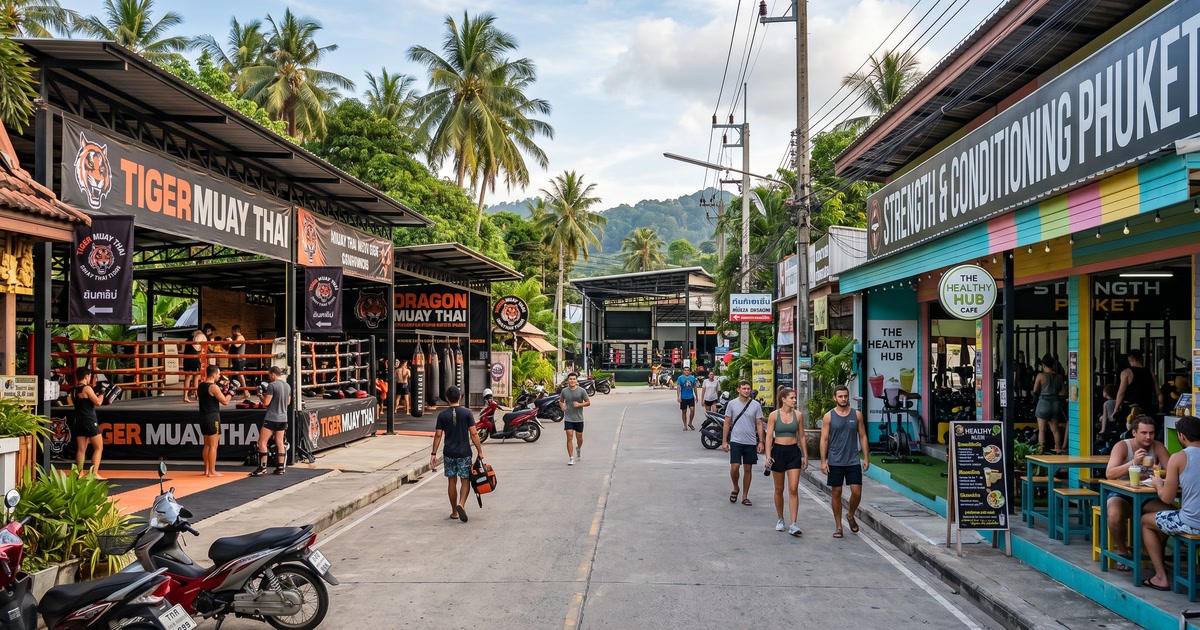
Camps near the south of the island get more foot traffic, which can be a positive or negative depending on whether you want a crowd or a quieter environment. The northern part of the island has a couple of smaller camps that are worth considering if you prefer something less busy.
Yoga and Wellness
Yoga is arguably more developed than Muay Thai on Koh Phangan. The island has a long-established wellness community, and there are studios offering everything from basic hatha classes to advanced ashtanga, yin, and restorative practices.
Several retreat centres run week-long and multi-week programs with structured schedules. If you want a proper immersive experience rather than drop-in classes, this is one of the better places in Thailand to find it. Agama Yoga (note: check current operating status before booking) and similar centres have attracted practitioners from around the world for this reason.
Standalone studios in Thong Sala and around the Ban Tai area offer drop-in classes at reasonable prices. Quality is generally good, with instructors who take the practice seriously rather than running it purely as a tourist activity.
Other Training Options
Crossfit and functional training: A small number of functional fitness facilities operate on the island. The scene is smaller than Phuket or Bangkok, but if you search around Thong Sala you will find at least one or two places with proper equipment for barbell work and conditioning.
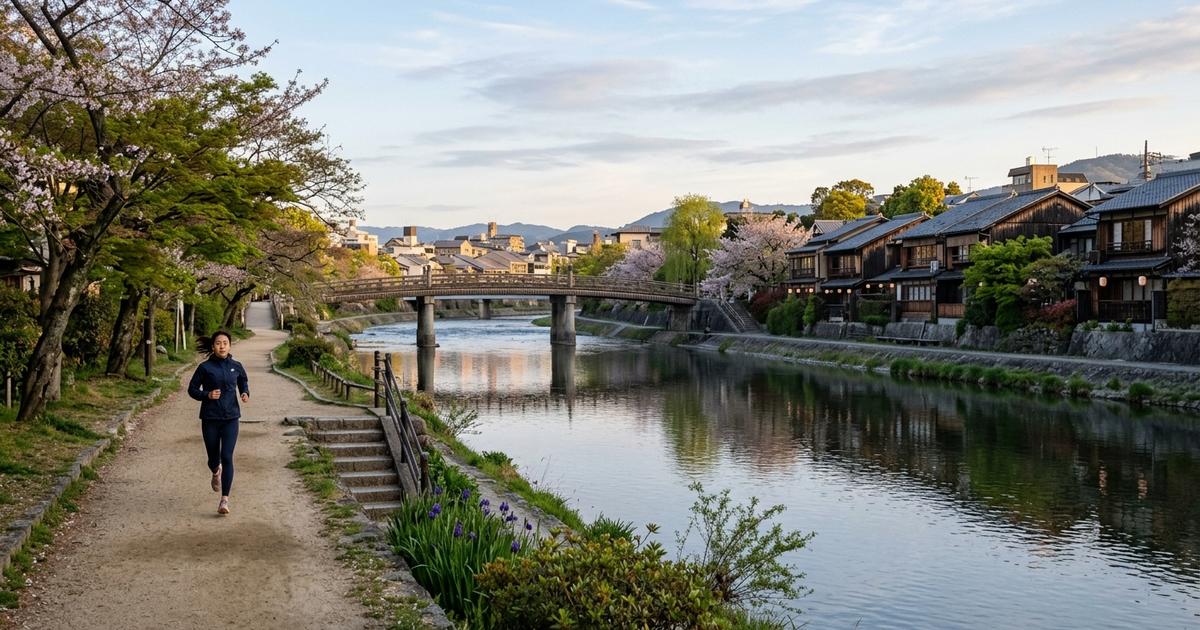
Calisthenics and outdoor training: The beaches and parks on the island work well for bodyweight training. Some spots around Haad Rin and the northeast coast have bars and basic outdoor equipment. Early morning runs along the coastal roads in the north are popular with residents.
Freediving and water sports: This is not conventional fitness, but freediving courses on Koh Phangan are worth mentioning. Several certified schools operate near the north coast, and the training has real physical demands. If you are already into water sports, this is a good place to develop that side of your fitness.
Practical Notes for Visitors
Getting around the island requires a scooter or relying on songthaews. Most gyms are not walkable from accommodation unless you happen to be staying nearby, so factor transport into your planning.
The island is noticeably busier around full moon periods (and half moon, black moon events now run regularly too). If you are sensitive to noise and crowds, book accommodation away from Haad Rin and plan your training schedule around these dates.
Water quality matters if you are doing intensive training. Drinking filtered or bottled water is standard. Most gyms will have water available, but bringing your own is sensible for longer sessions.
Getting to Koh Phangan
The most common route is a ferry from Koh Samui (about 30 minutes) or from Surat Thani on the mainland (roughly two hours). Ferries run several times a day. There is no commercial airport on the island, so flying to Samui or Surat Thani and then taking a ferry is the standard approach.
For fitness travel purposes, Koh Phangan works well as part of a broader Thailand trip that includes Phuket or Chiang Mai. The island offers a different pace and environment, and the yoga scene in particular is genuinely world-class.