Nutrition and Diet for Muay Thai Fighters: Eating Right During Training Camp
Training twice a day at a Muay Thai camp puts significant demands on your body. Getting nutrition right is not complicated, but most camp students get it wrong in the first week. Here's what to eat, when to eat it, and how to use the local food available in Phuket to fuel your training.
Muay Thai training in Phuket is physically demanding in a way that surprises most newcomers. Two sessions per day, heat, humidity, and unfamiliar food can combine to leave you exhausted and under-recovered within the first few days. Nutrition is the part of the equation most students neglect, often because they're focused on the training and treating the food as secondary.
Understanding Your Caloric Needs at Camp
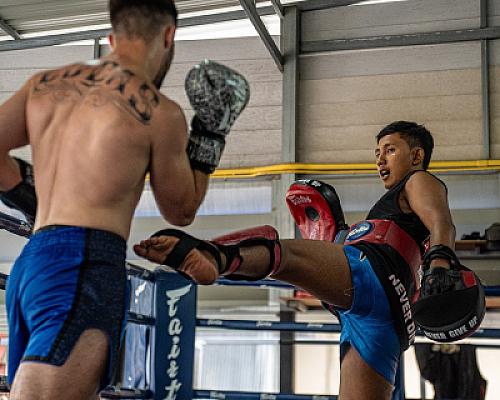
A typical Muay Thai camp day involves a morning session (60-90 minutes of running, pad work, bag work, and clinch or sparring) and an afternoon session of similar length. In Phuket's heat, factor in additional caloric expenditure from thermoregulation. A full day of training in the heat can require 800-1,200 additional calories above your basal metabolic rate.
Most camp students undereat in the first week, partly because heat suppresses appetite and partly because they're not used to the food. The result is accumulated fatigue, poor recovery, and declining performance across the week. If you're feeling progressively worse as the week goes on, inadequate calories is often the first thing to check.
Macronutrient Priorities
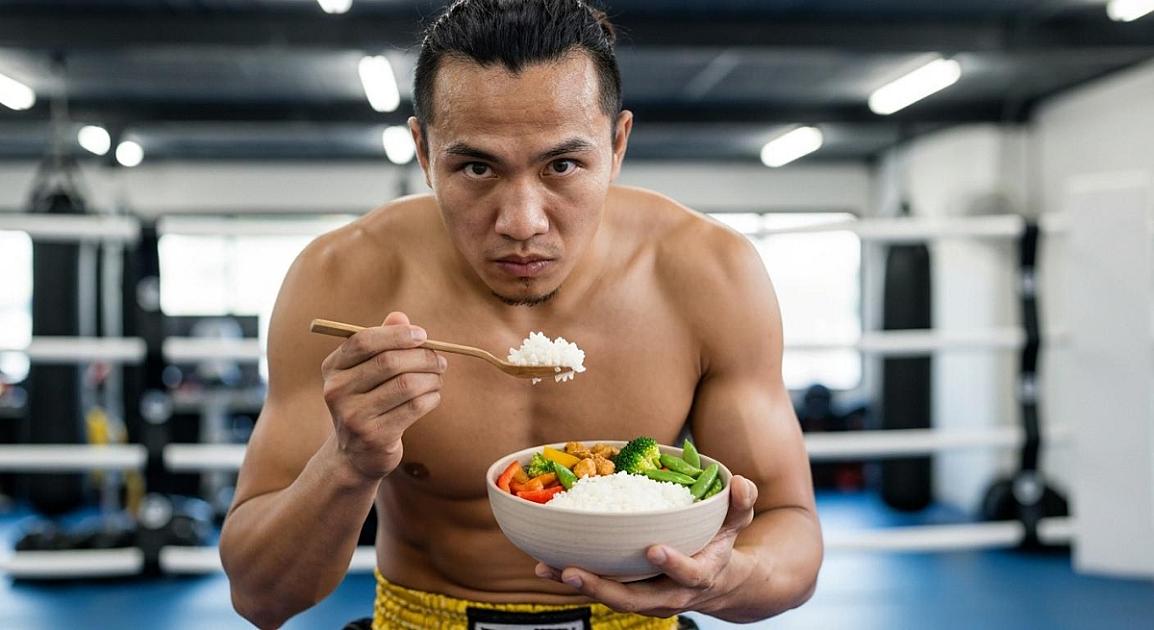
Carbohydrates: Muay Thai is a high-intensity sport. The primary fuel is carbohydrate. This is not the context for a low-carb diet. Rice, which is the foundation of Thai food, is your friend. A bowl of rice at every meal is appropriate and practical. Avoid cutting carbs while training twice a day; it will hurt your performance within two to three days.
Protein: The target for hard-training athletes is typically 1.6 to 2.2 grams of protein per kilogram of bodyweight per day. For a 70kg fighter, that's 112 to 154 grams of protein daily. Thai food provides good protein options: grilled chicken (gai yang), fish, eggs, tofu, and pork are all staple ingredients. Eating protein at breakfast, lunch, and dinner distributes synthesis stimulus throughout the day better than loading it all into one meal.
Fat: Thai food cooked with coconut milk, palm oil, and stir-fried dishes provides moderate fat intake naturally. Unless you're cutting weight for a fight, there's no reason to restrict dietary fat at camp.
Meal Timing Around Training
Before morning session (5-6am start): a light carbohydrate snack 30-60 minutes before training. A banana, some fruit, or a small bowl of rice works. Avoid heavy protein or fat before training.
Post-morning session: a proper meal within 45 minutes of finishing. Rice with protein is the standard and practical choice. Lunch should be a full meal 2-3 hours before the afternoon session. Post-afternoon session: another protein and carbohydrate meal within an hour. This is the most important recovery meal of the day.
Local Food Options That Work for Camp Nutrition
Street food stalls near training camps in Rawai and Chalong are cheap, fast, and nutritious. Gai yang (grilled chicken) with sticky rice is close to ideal post-training food: lean protein, fast-digesting carbohydrate. Khao man gai (poached chicken over rice with broth) is another good option. Pad kra pao (basil stir-fry with egg over rice) is everywhere and nutritionally solid.
Som tam (green papaya salad) is a good vegetable source but watch the heat level if your stomach is sensitive. Avoid heavy, oily dishes before afternoon training. Tom kha (coconut milk soup with protein) is better as an evening meal than a pre-training lunch.
Hydration: The Most Overlooked Factor
Fluid loss in a two-hour session in tropical heat can reach 1.5 to 2 litres. Replacing this with plain water works for shorter sessions but for full camp days you need electrolytes.
Coconut water is the most available natural electrolyte drink in Thailand and is cheap from any 7-Eleven or market. Oral rehydration salts (available at pharmacies) are another option for heavily depleted days. Dark urine is a reliable sign of dehydration. Aim for pale yellow throughout the day.
Weight Cutting: If You're Fighting
If you're at camp with a fight scheduled, weight cutting is a separate topic that should involve your trainer and ideally a sports nutrition professional. Severe water cuts in tropical heat carry real medical risk. Get specific advice from your camp's head trainer about their protocols.
Supplements Worth Considering
Creatine monohydrate is one of the few supplements with consistent evidence behind it for combat sports athletes. It's available at pharmacies and supplement shops in Phuket. Whey protein is available but less necessary if your food intake is sufficient.
Don't overcomplicate supplementation while at camp. Get the basics right first: enough food, enough protein, enough water, enough sleep. Those four factors will do more for your training than any supplement stack. For more on recovery alongside your camp nutrition, see our guide to gyms and training facilities in Phuket.
The RoamFit editorial team researches and maintains Thailand's fitness directory. We combine verified Google data, on-the-ground knowledge of gyms, Muay Thai camps and studios, and hands-on testing to help expats, health tourists and locals train anywhere in the country. Every guide is fact-checked against the listings in our directory.