Sound Healing and Meditation in Phuket: Where to Practice and Why Athletes Benefit
Where to find sound healing and meditation in Phuket — studios, retreat centres, and why athletes benefit from these recovery practices.
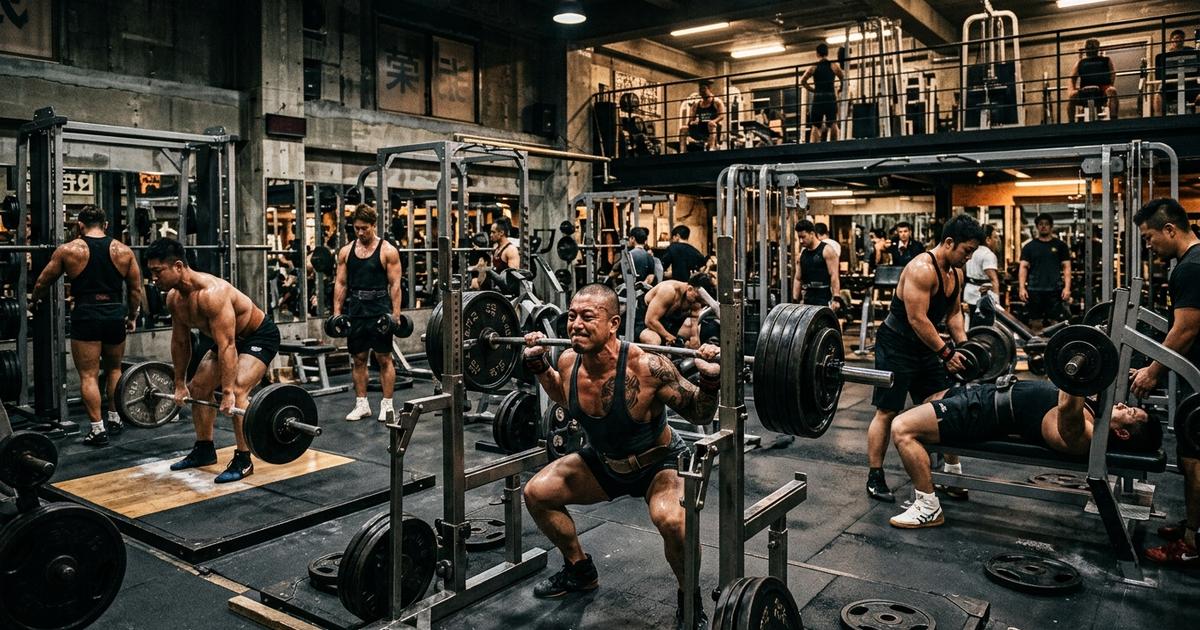
Hard training creates stress — physical and mental. The best athletes manage both. Sound healing, meditation, and breathwork have moved from fringe wellness into mainstream athletic recovery, adopted by professional fighters, endurance athletes, and strength coaches worldwide. Phuket's wellness ecosystem includes several studios offering these practices. Whether you're sceptical but curious, or actively seeking this kind of work, here's what's available and what to expect.
The Case for Meditation and Sound Healing in Training
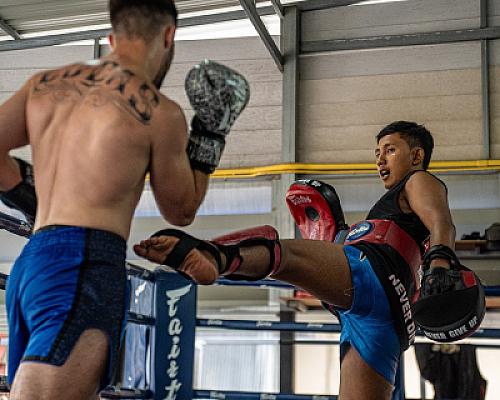
For fighters and martial artists: Mental clarity under pressure, managing pre-fight anxiety, faster recovery between sessions. Many Muay Thai and MMA athletes integrate meditation for focus and emotional regulation. For endurance athletes: Breathwork directly improves respiratory efficiency and CO2 tolerance — skills with measurable performance impact. Meditation improves pain tolerance and pacing discipline. For anyone training twice daily: The parasympathetic nervous system (rest-and-digest) needs activation between training sessions. Extended sympathetic stress (fight-or-flight) without recovery counterbalancing leads to overtraining. Meditation and sound sessions deliberately activate the parasympathetic response. The sceptic's version: Even if you dismiss the metaphysical claims around sound bowls, the practical outcome of sitting in a dark room listening to resonant sound for an hour — pulse drops, jaw unclenches, breathing slows — is genuine physiological recovery. The mechanism is less important than the result.
Where to Go in Phuket
Freedom Project Phuket — Yoga & Sound Bath
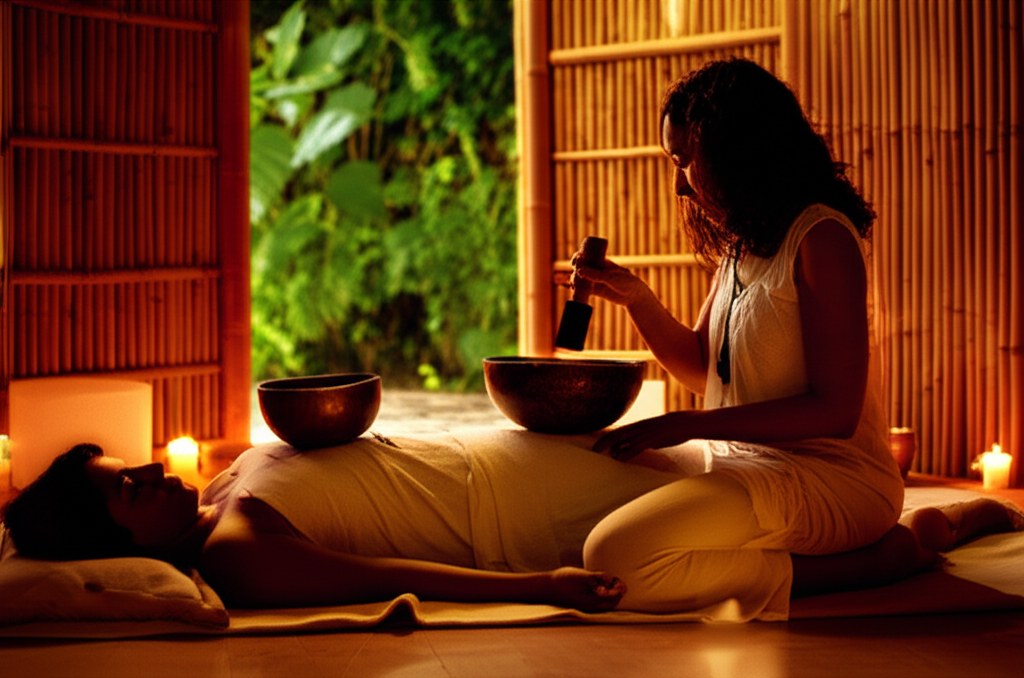
Freedom Project Phuket combines yoga practice with sound bath sessions. 4.9 rating across 82 reviews, with consistent praise for the quality of instruction and the therapeutic atmosphere. Sound baths at Freedom Project use Tibetan singing bowls, crystal bowls, and sometimes gong — played live during a session while participants lie still. The resonance of the instruments produces a distinct physical sensation and often induces states between light sleep and waking awareness. Classes run on a schedule; drop-ins are usually welcome but booking ahead is recommended. Sessions typically run 60–90 minutes.
Aadi Yoga & Sound Healing Center — Patong
Aadi Yoga & Sound Healing Center in Patong operates specifically at the intersection of yoga and sound healing. 5.0 rating from 65 reviews — a rare perfect score maintained across a meaningful sample. The Patong location is convenient for visitors staying on the west coast. Sessions include guided meditation alongside sound healing, making it accessible even for people with no prior meditation practice.
PRANA Yoga and Sound Healing Phuket
PRANA Yoga and Sound Healing integrates sound healing with breathwork and yoga across its class schedule. 4.9 rating from 57 reviews. The studio has a particular focus on the intersection of breath practice and sound — relevant for athletes interested in the performance aspects of breathwork. Breathwork (structured conscious breathing patterns, including techniques from the Wim Hof method and pranayama) has the most direct athletic application of any practice in this space. CO2 tolerance training, improved oxygen uptake, and vagal nerve activation all have measurable training implications.
What to Expect
Sound bath (first session): You lie on a mat with an eye covering. The practitioner plays instruments around the room. You don't need to do anything. Sessions often feel like a very deep rest — some people fall asleep, some experience vivid imagery, some simply feel profoundly relaxed. The experience varies significantly between sessions and individuals. Wear comfortable clothing. Bring a jumper or light blanket — lying still in air conditioning for an hour gets cold. Guided meditation: Typically seated or lying, with verbal guidance from a teacher. Styles vary — body scan, breath focus, visualisation, open awareness. For complete beginners, guided meditation is significantly easier than self-directed practice. Breathwork: More active than meditation. Expect unusual physical sensations (tingling, warmth, emotional responses) during and after sessions. These are normal and temporary. Not recommended immediately before heavy training — schedule for rest days or evenings.
Integrating Into a Training Week
Best timing:
- Sound bath / yin yoga: evening, after training, as deliberate recovery
- Breathwork: morning of a rest day, or 3+ hours after training
- Guided meditation: morning before training (focus) or evening (recovery) Frequency: Once or twice per week alongside regular training is meaningful. Daily practice (even 10 minutes of self-directed breath focus) has cumulative effect over a trip.
Context
These practices sit alongside, not instead of, physical recovery work. The recovery and wellness guide covers ice baths, saunas, and sports massage — all complementary. For flexibility work that also has a meditative component, the mobility and flexibility guide covers yoga studios that blend movement with mindfulness practice. For visitors specifically interested in longer immersion in yoga and wellness, the yoga retreats guide covers multi-day programmes across the island.
Sound healing won't replace sleep, nutrition, or structural recovery work. But in a training environment that pushes the nervous system hard, deliberately creating space for recovery — through whatever means works — matters.