A practical guide to Tokyo gyms with English-speaking staff, drop-in passes, and the small etiquette details travelers usually miss.
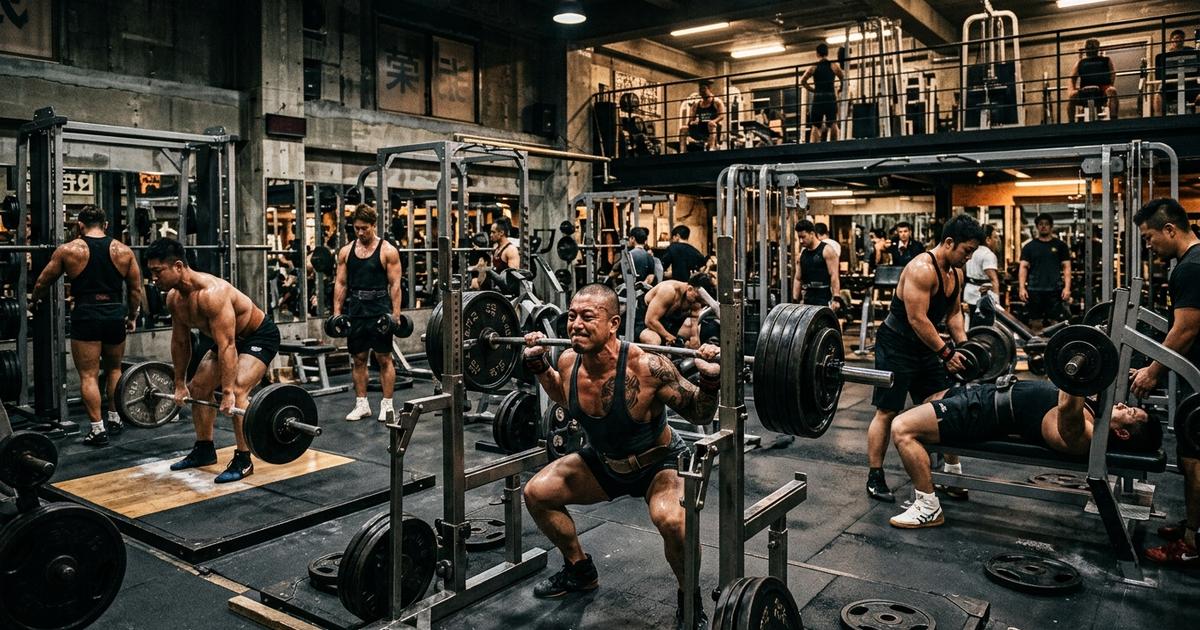
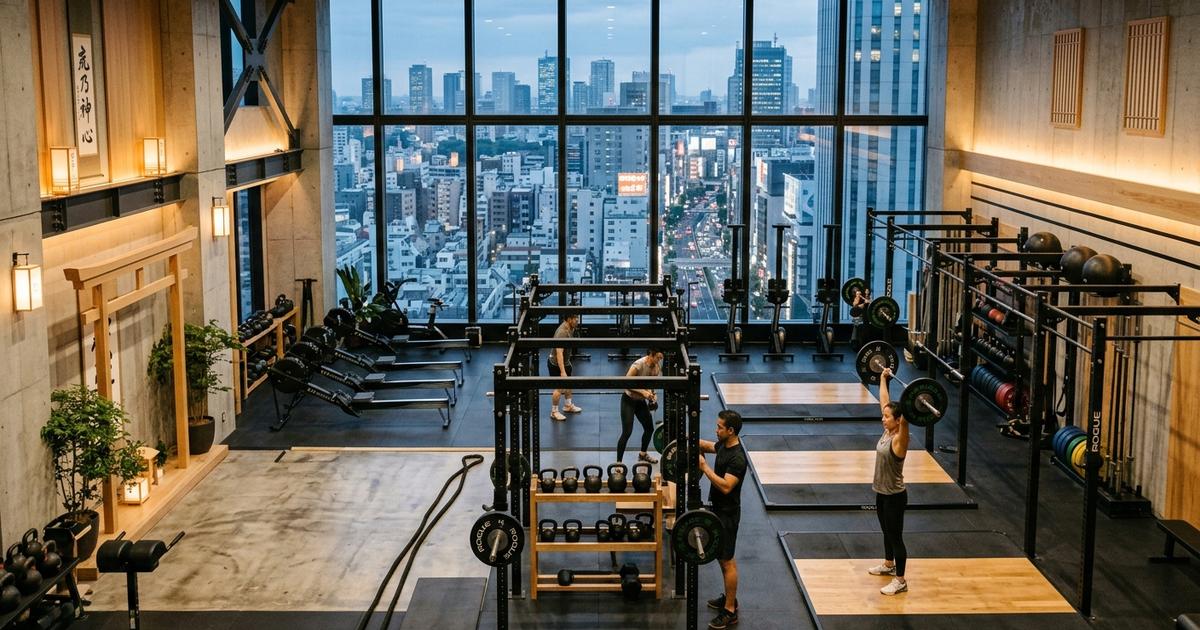
Tokyo is one of those cities where fitness can feel intimidating for about ten minutes, then surprisingly manageable once you know where to go. The city is huge, the train system is dense, and a lot of gyms are tucked into office districts or upper floors of buildings that do not look like gyms from the street. That is normal here. Once you settle into the rhythm, it gets easier.
If you are an English-speaking traveler or expat, I would start with the big brands and the neighborhoods where international workers already train. Gold's Gym is the obvious name to look for, because staff are more used to foreign members and the setup is straightforward. F45 works well in places like Minato and Shibuya if you prefer coached classes instead of wandering around a weight room trying to decode everything in Japanese. A lot of boutique studios in those same areas also have a mixed crowd of locals, expats, and short-term visitors, which takes the pressure off.
A few other RoamFit guides can help if you are comparing Tokyo with other cities in the region. The Seoul traveler fitness guide is useful if you are planning a wider trip, the Manila traveler guide shows how English-friendly gyms look in another big Asian city, and the Da Nang gym guide is a good contrast if you want a cheaper coastal option. If you just want to browse broadly, start at the Phuket gym finder and use it as a model for how to compare facilities by type and atmosphere.
For visitor passes, do not overthink it. Most gyms are happier with a passport, a card, and a clear idea of how long you want to stay. Day passes are common, but the rules can be oddly specific. Some places want you to call ahead. Some want you to use an app. Some will only sell a trial pass during certain hours. If you are staying for more than a week, ask about short-term plans instead of buying a single drop-in every time. That is usually where the value gets better.
Etiquette matters more than people expect. Shoes are a real issue. Many gyms have a strict indoor-shoe rule, and I would not assume your walking sneakers are fine unless staff say so. Tattoos can still be sensitive at some facilities, especially if you are using a pool, spa, or onsen-style changing area. That does not mean you cannot train. It just means you should check the rules before you show up with your sleeves rolled up and no backup plan.
Tokyo gym culture is also quieter than what many travelers are used to. People do not usually take loud calls on the floor, rack their weights lazily, or drift around between sets without purpose. If you keep your phone out of the way, wipe down equipment, and move with a little awareness, you will fit in fine. The whole point is to make the visit easy on yourself. Pick the right neighborhood, ask a few simple questions, and the rest becomes routine pretty quickly.