Fitness Retreats in Koh Samui: Costs and How to Choose
An honest, cost-focused guide to choosing a fitness retreat in Koh Samui, covering real prices, transport realities, and the best camps on the island.
Koh Samui has changed. It is no longer just a stop on the backpacker trail or a place reserved solely for luxury honeymooners. The island has become one of the top destinations in Southeast Asia for fitness retreats, weight loss camps, and wellness holidays.
Unlike Phuket, where the fitness scene is concentrated on a single busy road in Chalong, Koh Samui spreads its fitness offerings across different coasts. This means your choice of retreat dictates your entire holiday experience. If you choose wrong, you might end up stuck in a remote resort paying 600 THB for a one-way taxi every time you want to buy a bottle of water.
This guide breaks down the actual costs, the distinct regions of the island, and the specific camps that fit different fitness goals.
Phuket vs. Koh Samui: The Fitness Vibe
If you are researching fitness in Thailand, you will inevitably compare Phuket and Koh Samui.
Phuket is home to Soi Ta-iad, a high-energy, highly competitive street packed with Muay Thai gyms and fitness centers. It is loud, social, and intensely focused on performance.
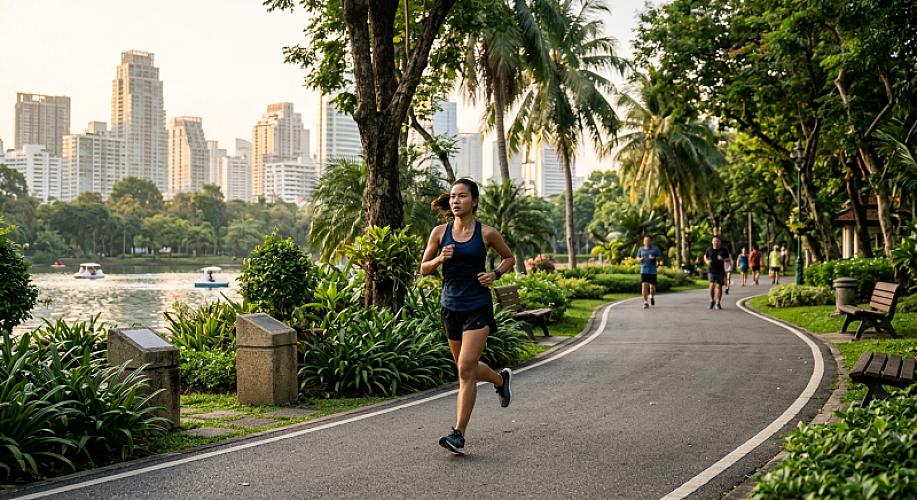
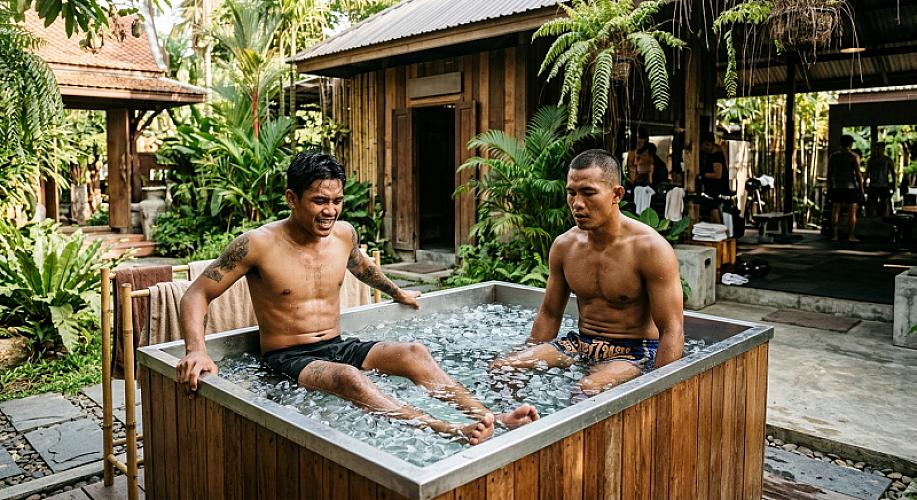
Koh Samui offers a different pace. The training is still difficult, but the environment is more relaxed. Retreats here tend to integrate wellness, recovery, and nature. You are more likely to find ice baths overlooking the ocean than exhaust fumes from passing motorbikes. The crowd on Samui is a mix of solo travelers looking to reset, expats from Hong Kong and Singapore taking a active break, and people undergoing major weight loss transformations.
The Three Types of Retreats on the Island
Koh Samui has three main categories of fitness retreats. Mixing them up can lead to a frustrating trip.
1. Weight Loss and Conditioning Camps
These camps focus on functional fitness, high-intensity interval training (HIIT), strength work, and calorie-controlled meal plans. They are structured, communal, and highly supportive.
- Fitkoh (Ban Tai): Located in the quiet northern part of the island. Ban Tai is peaceful, with a flat beach and minimal nightlife. Fitkoh is excellent for body transformations. They offer packages that include accommodation, training, and customized meals from their onsite cafe.
- Lamai Fitness (Lamai): Located on the east coast. This camp is closer to the action but still focused on hard work. They offer military-style bootcamps, weight training, and hiking excursions up the steep hills of Samui.
2. Muay Thai and Fight Camps
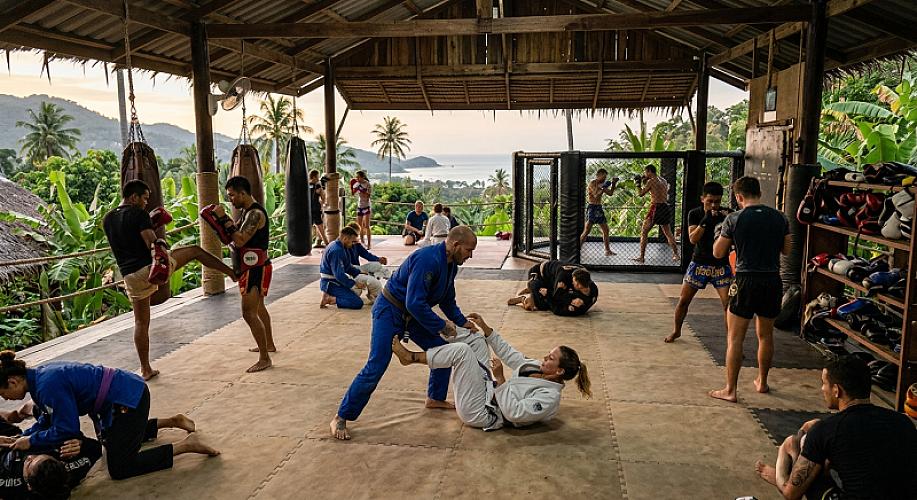
These are traditional Thai boxing gyms that have expanded to offer all-inclusive packages for foreigners. They cater to complete beginners as well as active fighters.
- Punch It Gym (Lamai): A Swiss-run gym known for its clean facilities and highly structured training programs. They have onsite bungalows, a gear shop, and a cafe. It is highly organized and welcoming to beginners.
- Superpro Samui (Chaweng Noi): A massive facility that has been operating for years. It features a large functional fitness area, Muay Thai rings, an MMA cage, and a swimming pool. It is located just off the main road, making it easy to access both Chaweng and Lamai.
3. Holistic Wellness and Yoga Retreats
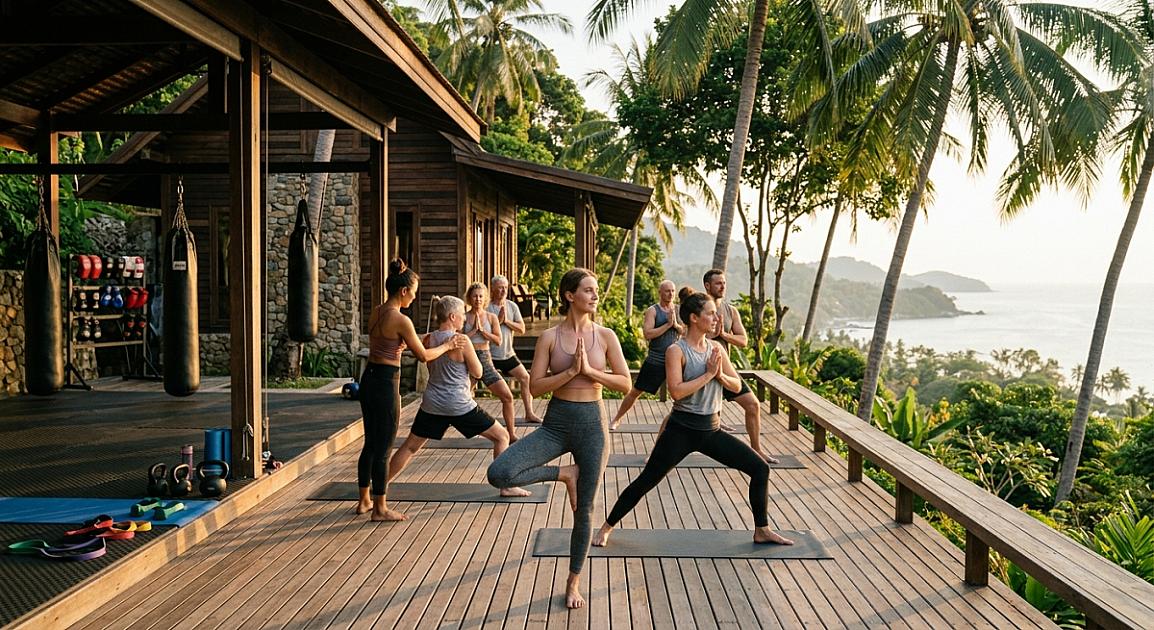
These programs focus on mental clarity, flexibility, detoxing, and recovery. The physical training is lower impact, focusing on yoga, pilates, and breathwork.
- Vikasa Yoga Retreat (Chaweng Noi): Positioned on the cliffs between Chaweng and Lamai. The views are incredible, and the yoga shalas face the ocean. They serve high-quality organic food and offer a strong community vibe.
- Absolute Sanctuary (Choeng Mon): A premium wellness resort in the northeast. They specialize in Pilates reformer bootcamps, yoga, and deep detox programs. This is a resort-style experience with high-end amenities.
- Kamalaya (Na Ngam): Located in the quiet south. This is a world-renowned luxury wellness sanctuary. It is expensive, highly medicalized, and focused on stress burnout and emotional healing.
What It Costs: A Realistic Budget
Prices vary wildly depending on the level of comfort you require. Here is what you can expect to pay in Thai Baht (THB).
Budget: 20,000 to 35,000 THB per week
This budget gets you a package at a standard Muay Thai or fitness camp. It typically includes:
- Shared or basic private fan/AC room near the gym.
- Two training sessions per day (Muay Thai or functional fitness).
- One or two meals per day at the camp cafe.
- Access to basic gym facilities.
Mid-Range: 40,000 to 75,000 THB per week
This is the sweet spot for most fitness tourists. It typically includes:
- A modern private AC room or bungalow with a pool access.
- Full training program, including personal training sessions, group classes, and yoga.
- Three healthy meals per day.
- Airport transfers and some recovery treatments like Thai massages or ice baths.
Luxury: 100,000 to 250,000+ THB per week
This is the price point for high-end wellness resorts like Kamalaya or Absolute Sanctuary. It includes:
- Five-star villa accommodation.
- Comprehensive medical and nutritional consultations.
- Daily spa treatments, colonic hydrotherapy, and specialized massages.
- Gourmet organic meals.
- Private yoga and fitness coaching.
Transport and Location Realities
Do not underestimate the cost of getting around Koh Samui. Unlike Bangkok, there is no BTS skytrain. Unlike Phuket, ride-hailing apps like Grab and Bolt are expensive here because of local taxi monopolies.
- Taxis: A short ten-minute drive can easily cost 400 to 500 THB. Taxis rarely use meters, so you must negotiate before getting in.
- Songthaews: These are red passenger trucks that run along the main ring road (Route 4169). During the day, they cost between 50 and 150 THB depending on the distance. They are cheap but do not run late at night and do not go up the steep mountain roads.
- Scooter Rental: Costs 200 to 300 THB per day. This is the most convenient way to get around, but it is also the most dangerous. Samui roads are notoriously steep, sandy, and slippery when it rains. Only rent a scooter if you have an international driving permit, a motorcycle license, and proper travel insurance.
If you want to avoid transport costs, choose an all-inclusive camp like Fitkoh or Punch It, where your accommodation, food, and training are all within walking distance.
How to Choose the Right Retreat for You
To get the most out of your trip, ask yourself these three questions before booking:
What is your primary goal?
If you want to lose weight and build muscle, choose a dedicated conditioning camp. Do not book a yoga retreat expecting to lift heavy weights. If you are recovering from burnout and need rest, a loud Muay Thai camp with communal living will exhaust you. Choose Kamalaya or Vikasa instead.
How important is air conditioning and privacy?
Some budget camps offer traditional fan-cooled rooms. Thailand is hot and humid year-round, with temperatures regularly exceeding 32 degrees Celsius. If you do not sleep well in the heat, pay extra for an air-conditioned room. It will directly impact your recovery and training performance.
Do you want nightlife or isolation?
If you want to enjoy a few drinks on the weekend, stay near Lamai or Chaweng. If you want to detox completely and avoid temptation, book a retreat in Ban Tai, Maenam, or the south coast. The south of the island is incredibly quiet, meaning you will be forced to rest.
Frequently Asked Questions
When is the best time of year to go to Koh Samui for a fitness retreat?
The best weather is from January to April. Avoid October and November, as these are the wettest monsoon months on Samui, which can cause flooding and disrupt outdoor training.
Do I need to be in shape before joining a fitness retreat?
No. Most camps cater to all fitness levels. Instructors will scale workouts to your current ability, whether you are a complete beginner or an advanced athlete.
Are meals included in the retreat packages?
Most mid-range and luxury retreats offer packages with two or three meals included. Budget packages often exclude meals, but local healthy food is cheap and easy to find nearby.
Is it safe to travel to Koh Samui alone for a retreat?
Yes, Koh Samui is very safe for solo travelers. Fitness retreats are highly social environments, making it easy to meet people and make friends from day one.