Learning the Wai: Gym Etiquette and Culture for Foreigners in Thailand
# Learning the Wai: Gym Etiquette and Culture for Foreigners in Thailand Thailand is known as the "Land of Smiles," and for the most part, the culture is very welcoming and forgiving. However, when you step into a gym, a
Learning the Wai: Gym Etiquette and Culture for Foreigners in Thailand
Thailand is known as the "Land of Smiles," and for the most part, the culture is very welcoming and forgiving. However, when you step into a gym, and especially a Muay Thai camp, there are certain cultural nuances that can make a big difference in how you are perceived.
I’ve spent years training across the country, and I’ve seen many well-meaning visitors accidentally cause offense. Here is a guide to the unwritten rules of gym etiquette in Thailand.
The Power of the Wai
The "Wai" (pressing your palms together in a prayer-like gesture with a slight bow) is the traditional Thai greeting. In a gym setting, it’s a sign of respect for your trainers, your fellow students, and the space itself.
You should Wai your trainer when you arrive and when you leave. If you’re starting a round of pads or sparring, a quick Wai to your partner is a way of saying "thank you" and "let’s have a good session." It’s a small gesture that goes a long way in showing that you respect the local traditions.
Respect the Head and the Feet
In Thai culture, the head is considered the most sacred part of the body, and the feet are the lowliest. This has practical implications in the gym.
Never touch someone’s head, even as a friendly gesture. Conversely, be very mindful of where your feet are pointing. Never use your foot to point at something, and never step over someone’s gear or, heaven forbid, another person. In a Muay Thai ring, there are even more specific rules, for example, women should traditionally enter the ring by stepping under the ropes, not over them.
Dress Appropriately
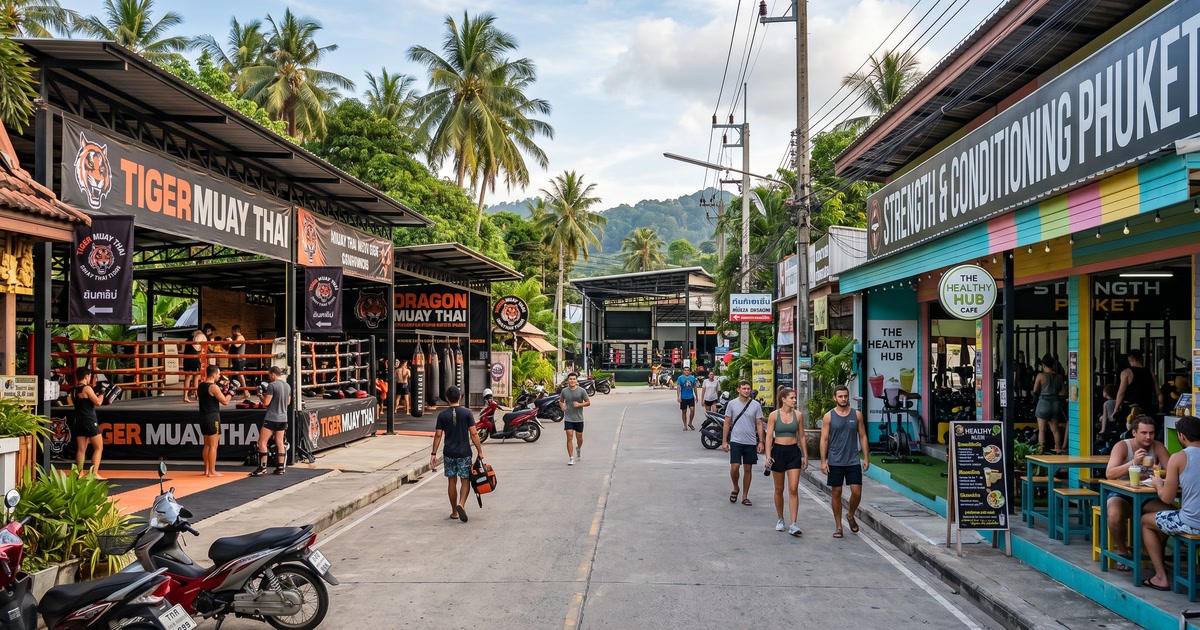
While Thailand is used to tourists, modesty is still valued. In the gym, this means wearing appropriate workout gear. Avoid training shirtless unless you’re in an open-air Muay Thai camp where it’s clearly the norm. Even then, always put a shirt on before you leave the training area to go to a cafe or market.
Also, make sure your gear is clean. Hygiene is very important, and showing up in smelly, unwashed clothes is considered disrespectful to your training partners. For more tips on what to wear, check our Bangkok Training Guide.
Stay Calm and "Mai Pen Rai"
Thais generally value a calm, "cool" head. Losing your temper or being overly aggressive in the gym is a major faux pas. If a trainer corrects you, or if you lose a sparring round, accept it with a smile.
The phrase "Mai Pen Rai" (no worries/it’s okay) is a central part of the culture. If something goes wrong, don't overreact. A positive, easy-going attitude will get you much further than being the "intense" foreigner.
Supporting the Community
Many gyms and camps are small, family-run businesses. Being a good member of the community means more than just paying your fees. A simple "Sawasdee" (hello) and "Khop Khun" (thank you) go a long way. If the gym organizes a social event or a trip to see a fight, try to join in. It’s the best way to make friends and truly experience the local culture.
For more tips on how to navigate the local scene, be sure to check our guides for Bangkok, Phuket, and Chiang Mai. Understanding the culture will not only make your training more enjoyable but will also deepen your connection to this incredible country.