Hiring a Personal Trainer in Phuket: 2026 Costs and Gym Guide
A realistic guide to personal training rates, gym options, and legalities in Phuket for expats and fitness tourists.
Finding a personal trainer in Phuket is easy. Finding the right one at a fair price, without getting ripped off or locked into a useless contract, is much harder. The island has become a global hub for fitness tourism. This means you have access to world class coaches, but you also face inflated tourist prices and unqualified instructors.
Here is a practical guide to what you should actually pay, where to train, and how to avoid common pitfalls in 2026.
The Three Main Fitness Hubs in Phuket
Phuket is geographically large, and traffic can turn a ten kilometer drive into a forty minute headache. You should choose your trainer based on where you live or stay.
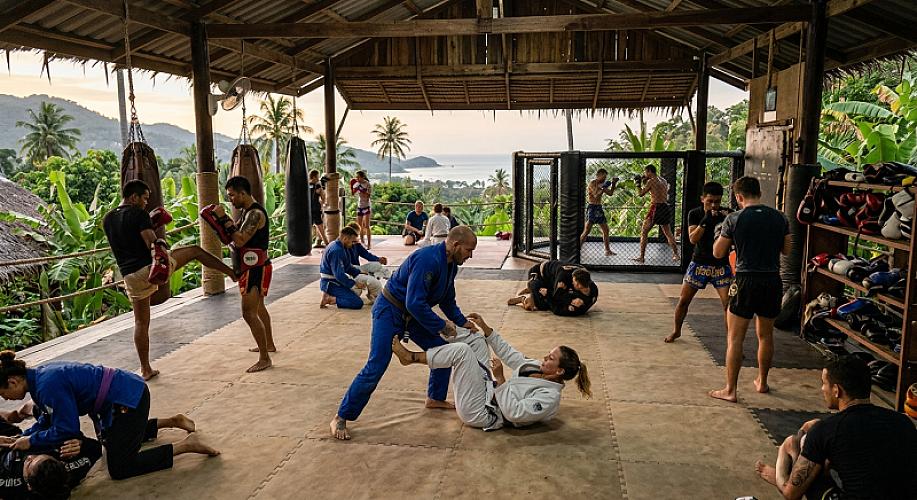
Chalong and Soi Ta-iad This is the fitness capital of the island. Soi Ta-iad is a single street packed with Muay Thai camps, strength and conditioning gyms, and healthy restaurants. Trainers here are highly competitive and focus on performance, weight loss, and combat sports conditioning. Gyms like Unit 27 and Tiger Muay Thai dominate this area.
Bangtao and Cherngtalay This area caters to high income expats, families, and luxury tourists. The training here is more lifestyle focused, emphasizing longevity, general wellness, and aesthetics. Bangtao Muay Thai and MMA is a major player here, alongside high end boutique wellness spaces. Expect to pay a premium in this neighborhood.
Rawai and Nai Harn Located in the south, Rawai is popular with long term expats and digital nomads. The vibe is more relaxed. Gyms like Action Point or local strength yards offer a mix of bodybuilding and functional fitness. Prices here are slightly more reasonable than in Bangtao.
2026 Cost Breakdown: What You Should Pay
Prices have stabilized after the post pandemic surge, but inflation and high demand keep rates firm. Here is what you can expect to pay in Thai Baht (THB) in 2026.
Single Sessions (Drop-in)
- Local Thai trainer (independent or local gym): 1,000 to 1,500 THB per hour.
- Western expat trainer (certified, specialized): 1,800 to 2,500 THB per hour.
- Elite coach (rehabilitation specialists, former professional athletes): 2,500 to 3,500 THB per hour.
10-Session Packages Buying a package is the standard way to get a discount. Most packages must be used within 30 to 45 days.
- Local Thai trainer: 9,000 to 12,000 THB.
- Western expat trainer: 15,000 to 20,000 THB.
Monthly Unlimited or 20-Session Packages If you are training four to five times a week, look for monthly blocks.
- Standard package: 25,000 to 35,000 THB per month.
Note on Gym Membership Fees: Many people do not realize that the trainer's fee often does not include the gym entrance fee. If you hire an independent trainer to meet you at a commercial gym, you will likely have to pay for your own gym membership (typically 1,500 to 3,000 THB per month) plus a "guest fee" or "external trainer fee" for your coach, which can be 200 to 500 THB per session. Always ask if the quoted price includes gym access.
Gym-Employed vs. Freelance Trainers
You have two main routes when hiring a coach in Phuket.
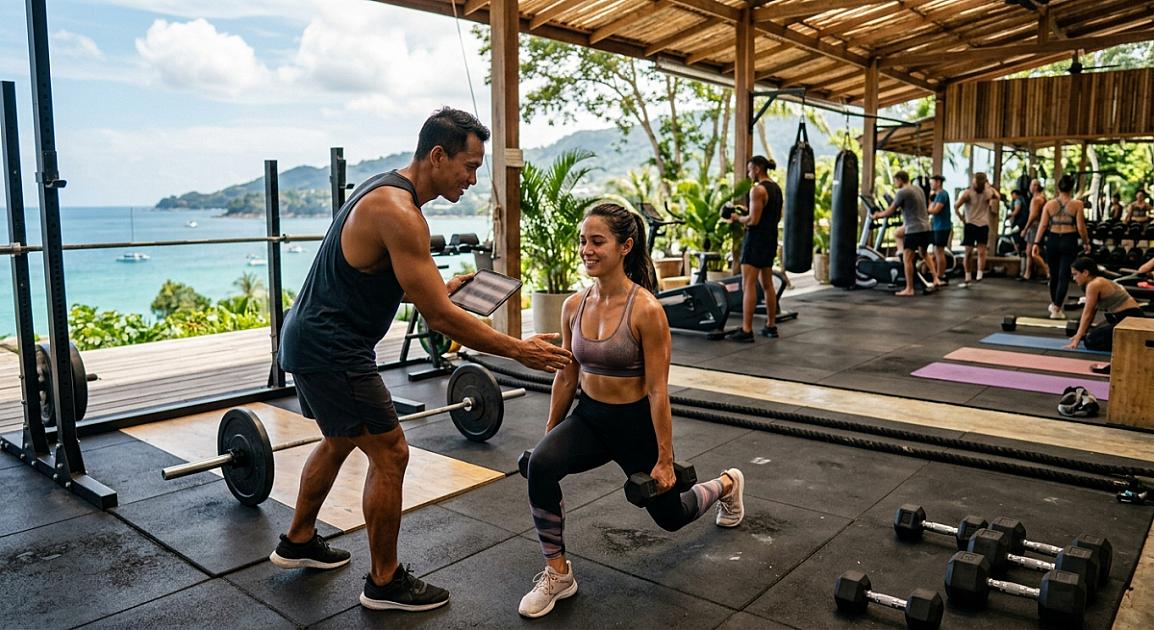
Gym-Employed Trainers These coaches work directly for facilities like Titan Fitness or Unit 27.
- Pros: The gym handles the scheduling, the equipment is top tier, and the trainers are vetted. If your trainer gets sick, the gym can easily provide a substitute.
- Cons: You pay a markup to the gym. The trainer only gets a fraction of the fee, which can sometimes affect motivation.
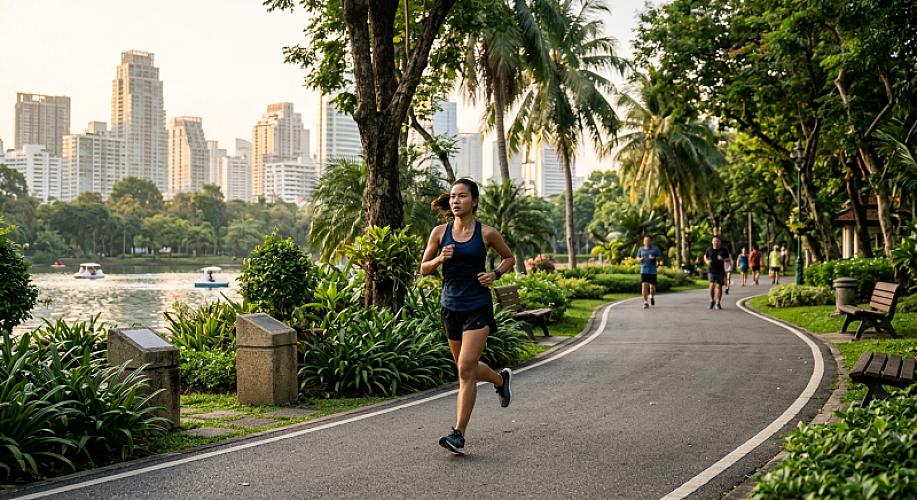
Freelance Trainers These are independent coaches who train clients at private villas, public parks, or gyms that allow external trainers.
- Pros: More personalized attention and flexible scheduling. They will often come to your villa or condo gym.
- Cons: Legal issues. Many foreign freelance trainers in Phuket work illegally without a proper work permit. If immigration raids the gym, your sessions are canceled instantly with no refund. Always ask if they have a legal setup or work through a registered Thai company.
Crucial Questions to Ask Before You Pay
Do not hand over cash or transfer money via bank app until you ask these four questions.
1. Does the price include the gym drop-in fee?
As mentioned, some gyms charge a 300 THB daily fee on top of what you pay the trainer. Get a clear answer on whether your session price is fully inclusive.
2. What is your cancellation policy?
Phuket is a social island. Plans change, people get food poisoning (the infamous "Thai belly"), or heavy rain prevents travel. A standard policy is 24 hours notice, but some trainers are more lenient. Get this in writing.
3. Are you certified, and do you have a valid work permit?
If you are hiring a foreign coach, this is vital. Thai authorities regularly inspect gyms. Working with a trainer who has a proper non-immigrant B visa and work permit protects you from sudden disruptions. For qualifications, look for internationally recognized bodies like NASM, ACE, or ISSA.
4. Is the training space air-conditioned?
Phuket is hot and humid year round. Training in an open-air gym at 2:00 PM is a completely different experience than training in an air-conditioned studio. If you are not acclimated to the tropical climate, choose a trainer who operates in an air-conditioned facility.
Logistics, Climate, and Transport
Training in Phuket requires some practical planning that you do not have to worry about in colder climates.
The Heat Factor If you are new to the island, your performance will drop during the first two weeks due to the humidity. A good trainer will adjust your intensity during this acclimatization period. Drink water with electrolytes before, during, and after your session. Most gyms sell electrolyte packets (like L-Dra or Sponsor) for 10 to 20 THB.
Getting to Your Session If you rent a scooter to get around, remember that driving back from a brutal leg workout on Phuket's steep hills (like the hill between Kata and Chalong) can be dangerous when your muscles are shaking. If you are exhausted, use ride-hailing apps like Bolt or InDrive. They are cheap and much safer than riding a scooter when fatigued.
Payment Methods Most independent trainers and smaller gyms prefer cash or a Thai bank transfer (using a QR code). Credit cards are accepted at larger fitness centers, but they often charge a 3% transaction fee. If you are staying long term, setting up a local bank account or using an app like Wise will save you significant money on fees.
Frequently Asked Questions
How much does a personal trainer cost in Phuket?
Expect to pay between 1,000 and 1,500 THB per hour for a local Thai trainer, and 1,800 to 2,500 THB per hour for a certified Western expat trainer.
Do I need to pay gym entry fees on top of the trainer fee?
Often, yes. Unless you train at your own condo or villa, you must pay the gym's daily drop-in fee (200 to 500 THB) or have a monthly membership.
Can foreign personal trainers legally work in Phuket?
Only if they have a valid Thai work permit and a non-immigrant visa. Many work illegally, so it is wise to ask about their legal status before buying large packages.
Where is the best area in Phuket for fitness training?
Soi Ta-iad in Chalong is the ultimate hub for intense training, while Bangtao offers high-end wellness and Rawai caters to long-term expats.