Koh Samui Fitness: Retreats vs Independent Gyms
An honest cost and lifestyle breakdown comparing Samui's all-inclusive fitness camps with the DIY independent gym route.
Choosing how to train on Koh Samui comes down to a basic question. Do you pay a premium for a structured, all-inclusive camp, or do you rent a scooter, find a local gym, and piece the trip together yourself?
Both paths are highly viable on this island, but they suit completely different budgets and personality types. Koh Samui has evolved from a backpacker stop into a major fitness hub in Thailand. You can find everything from air-conditioned bodybuilding gyms to open-air Muay Thai camps and high-end wellness resorts. Here is a realistic look at the costs, logistics, and training environments to help you decide which route to take.
The All-Inclusive Fitness Retreat: Structure and Community
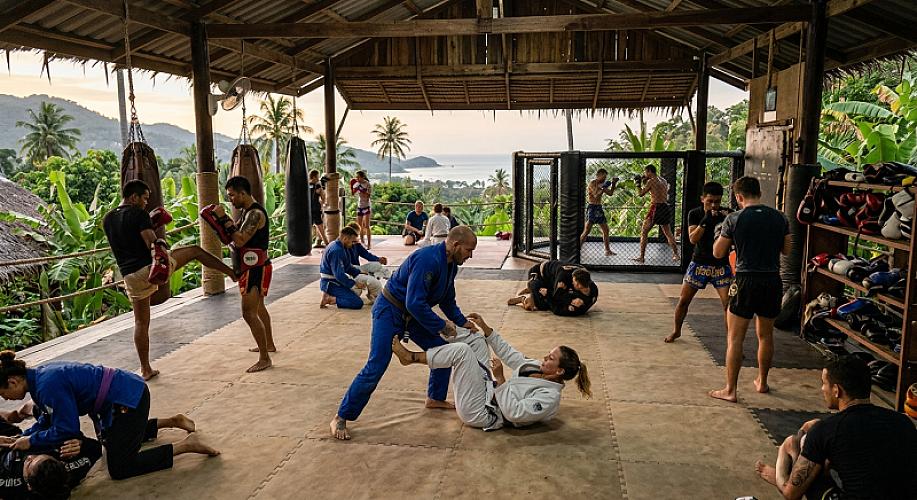
Fitness retreats on Koh Samui are designed for people who want to eliminate decision fatigue. When you book a package at a facility like FitKoh in Ban Tai or Superpro Samui near Chaweng, you are paying for a pre-arranged lifestyle.
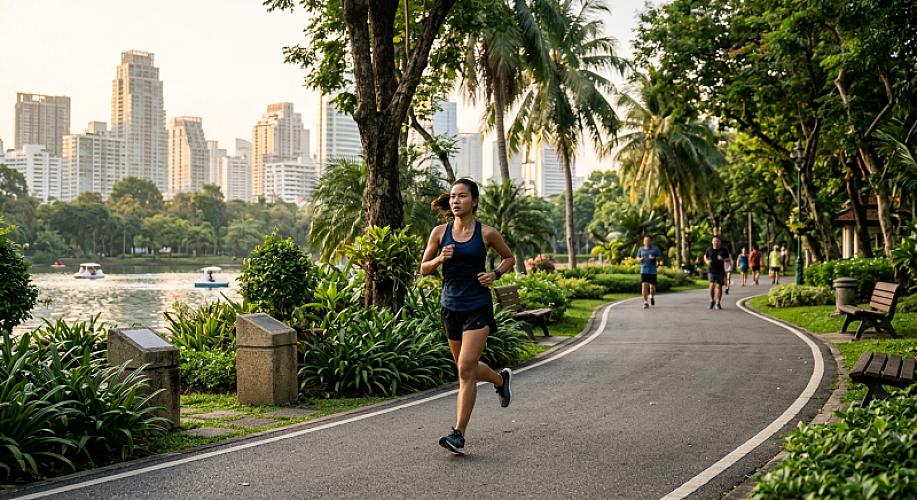
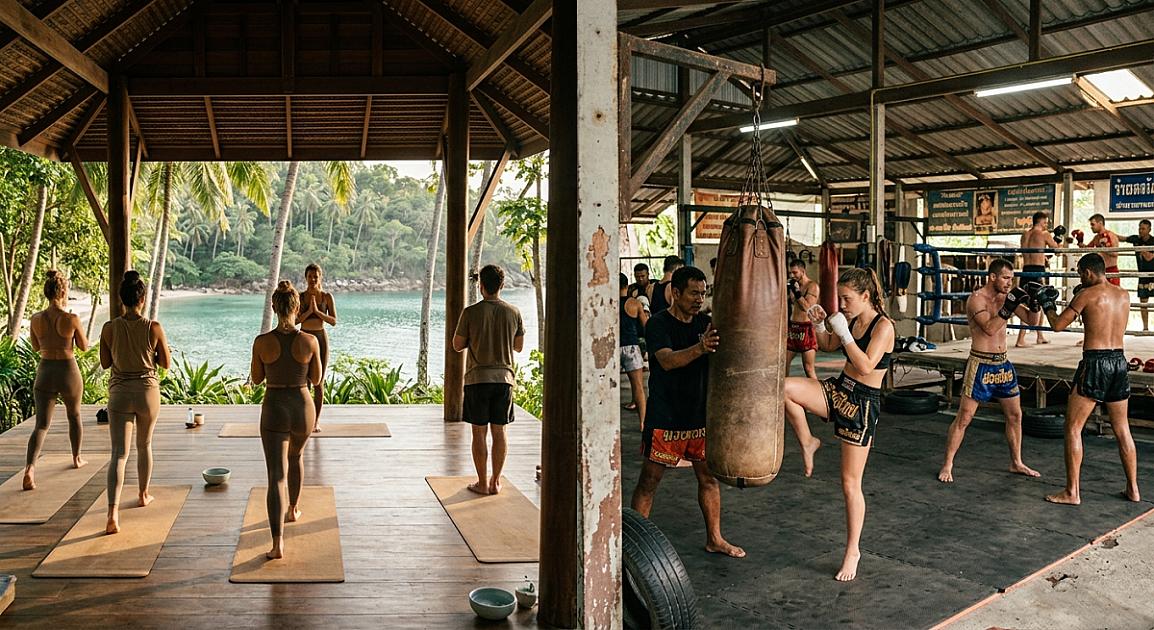
A typical day at an all-inclusive camp starts early to beat the heat. You might do a beach run or a mobility session at 7:30 AM, followed by a structured functional fitness or Muay Thai class at 9:00 AM. After lunch, there is usually a strength session or yoga in the afternoon.
What You Actually Get
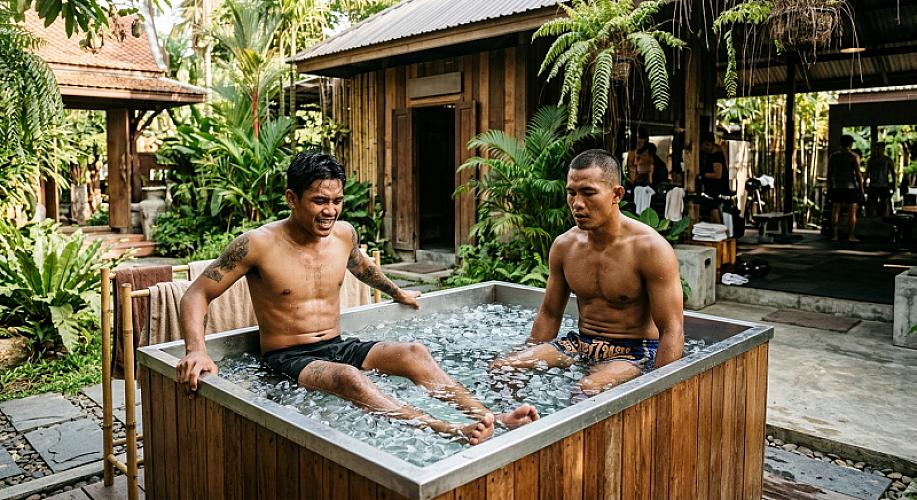
Most packages include accommodation, which is usually on-site or within walking distance. They also include two to three healthy meals a day from an on-site cafe, and access to all scheduled group classes. Some high-end options, like Absolute Sanctuary in Choeng Mon, focus heavily on reform pilates, yoga, and detox programs, while places like FitKoh lean toward weight loss, strength, and Muay Thai.
The Real Costs
Expect to pay between 35,000 THB and 75,000 THB per week for a quality all-inclusive package. The price variation depends on your accommodation choice, such as a shared fan room versus a private air-conditioned villa, and the intensity of the program.
The Pros
- Built-in Community: You will train, eat, and socialize with the same group of people. This is highly valuable if you are traveling alone.
- No Logistics: You do not need to worry about finding healthy food, negotiating scooter rentals, or figuring out where to train each day.
- Accountability: Trainers expect you at classes, and the group environment keeps you motivated.
The Cons
- Lack of Flexibility: You are locked into the camp's schedule and location. If you want to explore different parts of the island, you will end up paying twice for transport and meals.
- The Premium Price: You pay a significant markup for the convenience of having everything curated for you.
The Independent Gym Route: Freedom and Flexibility
If you prefer to train on your own terms, design your own diet, and explore the island, the independent route is far more rewarding. Koh Samui has a superb selection of standalone gyms that rival those in major Western cities.
Top Independent Gyms on Samui
- Elite Gym (Chaweng): A serious, air-conditioned facility packed with high-quality plate-loaded machines, free weights, and cardio equipment. It is popular with bodybuilders and powerlifters. A day pass is around 300 THB, while a monthly membership costs about 2,000 to 2,500 THB.
- Ultra Bodies (Lamai): Another excellent, modern, air-conditioned gym with a wide range of equipment, clean facilities, and a dedicated community of expats and tourists. Monthly rates are around 2,200 THB.
- Pinyo Muay Thai (Lamai) or Jun Muay Thai (Lamai): If you want authentic Muay Thai without the resort fluff, these traditional open-air camps are perfect. You can train twice a day for about 400 THB per session, or buy a monthly pass for 8,000 to 10,000 THB.
The Real Costs of the DIY Route
To compare this fairly, you have to look at the total cost of living.
- Gym Membership: 2,000 to 2,500 THB per month for a weight gym. If you add Muay Thai, expect another 8,000 THB.
- Accommodation: A decent modern studio apartment or bungalow with air conditioning in Lamai or Maenam costs between 12,000 and 25,000 THB per month.
- Transport: Scooter rental is about 250 to 350 THB per day, or 4,000 to 6,000 THB per month. Fuel is cheap, costing about 100 THB to fill a tank.
- Food: Eating at healthy cafes like Wild Tribe in Lamai or Greenlight Cafe in Fisherman's Village will cost about 250 to 400 THB per meal. If you eat local Thai food like chicken and rice (Khao Man Gai) or stir-fried holy basil (Pad Kra Prow) at local joints, you will pay 60 to 100 THB per meal.
Total monthly cost for a high-quality DIY setup ranges from 35,000 to 60,000 THB. This is often cheaper than just one or two weeks at a high-end retreat.
The Pros
- Complete Freedom: You train when you want, eat where you want, and sleep where you want.
- Cost-Effective: It is significantly cheaper, especially for stays longer than two weeks.
- Variety: You can lift weights at Elite Gym on Monday, do a Muay Thai session at Pinyo on Tuesday, and attend a yoga class at a beachside shala on Wednesday.
The Cons
- The Heat Factor: Many independent gyms are either fully open-air or have limited air conditioning. Training in 32-degree Celsius heat with 80 percent humidity is a shock to the system if you are used to a climate-controlled gym.
- Isolation: It is harder to meet people if you are just dropping into different gyms. You have to make an active effort to socialize.
- Logistics and Safety: You have to navigate Samui's roads. The island's main ring road (Route 4169) can be dangerous, especially during sudden downpours.
The Hidden Logistics: Transport and Climate
Your decision should also factor in how you plan to get around the island. Koh Samui does not have a public train system like Bangkok.
Your main transport options are songthaews (converted pickup trucks that act as shared taxis) or renting a scooter. Songthaews run along the main ring road and cost between 50 and 150 THB per ride, depending on the distance and your negotiating skills. Taxis are notoriously expensive on Samui, often charging a flat rate of 300 to 500 THB even for short trips. Grab and Bolt apps operate on the island, but prices remain higher than in Bangkok or Chiang Mai.
If you choose the independent route, you will almost certainly need to rent a scooter. You must have an International Driving Permit with a motorcycle endorsement to be legal. Police checkpoints are common in Chaweng, Maenam, and Lamai, and fines for riding without a helmet or proper license start at 500 to 1,000 THB.
If you choose a retreat, you can often avoid transport costs entirely. Most camps are self-contained, meaning your accommodation, gym, and restaurant are all on the same property or within a five-minute walk.
Which Option is Right for You?
Choose the All-Inclusive Retreat if you have a limited amount of time, typically one to two weeks, and want to maximize your training without thinking about logistics. It is also the best choice if you are traveling solo and want an instant social circle of like-minded people.
Choose the Independent Gym Route if you are staying on Koh Samui for a month or longer, prefer to cook your own meals or eat at specific restaurants, and want to save money. This option gives you a much more authentic experience of living on the island, but it requires the self-discipline to get out of bed and train without a coach waiting for you.
Frequently Asked Questions
Do I need to book Koh Samui fitness retreats in advance?
Yes, especially during the peak dry season from December to March. The best camps and their on-site accommodations often book out months in advance.
Can I get healthy meal prep on Koh Samui if I train independently?
Yes, several cafes and dedicated meal prep services on the island offer macro-calculated meals delivered to your villa or apartment, though it requires some coordination.
Are independent gyms on Koh Samui air-conditioned?
Some are, like Elite Gym and Ultra Bodies. However, many traditional Muay Thai camps and older weight gyms are open-air with fans, which can be incredibly hot.
Is it safe to ride a scooter to the gym every day?
It is convenient but carries risk. Samui's roads are steep, sandy, and often slippery. Always wear a helmet, drive defensively, and ensure you have proper travel insurance.