Muay Thai in Chiang Mai: Best Camps, Costs, and Training Guide
An honest, practical guide to training Muay Thai in Chiang Mai, featuring real costs, camp comparisons, and local logistics.
Chiang Mai has become the primary alternative to Phuket and Bangkok for Muay Thai training in Thailand. The mountain city offers a slower pace of life, lower living costs, and a high concentration of quality gyms. Training here is highly accessible, whether you want to get in shape, learn basic self defense, or prepare for a professional fight at Thapae Stadium.
Unlike the beach destinations down south, Chiang Mai allows your budget to stretch much further. You can easily find cheap, nutritious food and affordable housing within walking distance of most gyms. This guide breaks down the top camps, actual costs, and what you need to know before stepping onto the mats.
Choosing the Right Camp in Chiang Mai
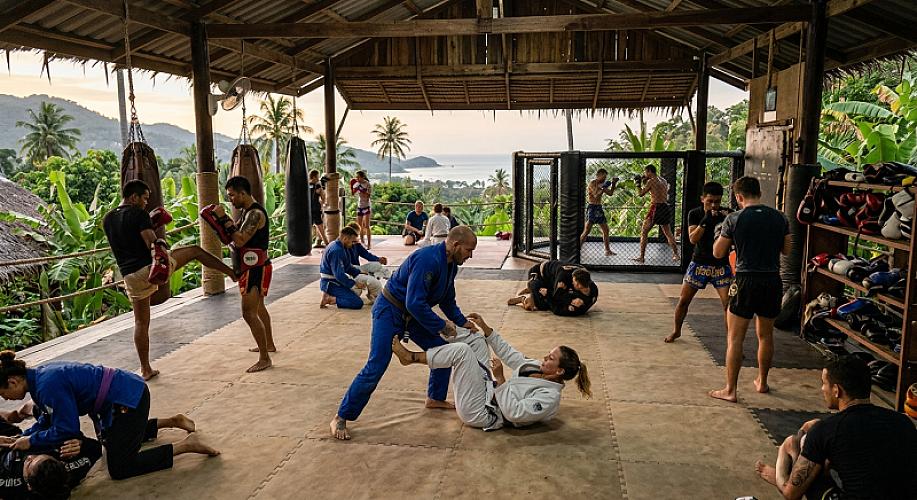
Gyms in Chiang Mai generally fall into three categories. Some focus on traditional, fighter style training. Others cater to tourists and beginners who want a good workout. A few offer immersive, live in experiences outside the city center.
Santai Muay Thai (San Kamphaeng)
Located about 15 kilometers east of the Old City in the quiet district of San Kamphaeng, Santai is famous for its focus on traditional, technical Muay Thai. The trainers here are mostly ex-fighters from the famous Pinsinchai gym in Bangkok. They emphasize proper stance, balance, and clean technique over raw conditioning.
This camp is ideal for intermediate to advanced students who want to improve their technical skills. It is far from the nightlife of the city, which helps you focus entirely on training. You will need to rent a scooter or use Grab to get into town on your days off.
- Location: San Kamphaeng
- Best for: Technical development, clinching, and serious fighters
Dang Muay Thai (Old City)
If you want to stay in the center of Chiang Mai, Dang Muay Thai is highly accessible. Located just inside the eastern moat near Thapae Gate, you can easily walk or bicycle to this gym from most central hostels and guesthouses.
Dang and his trainers are exceptionally welcoming to beginners and casual fitness enthusiasts. The atmosphere is friendly and less intimidating than traditional fighter camps. They still offer hard workouts, but the focus is on enjoying the process and learning the basics.
- Location: Old City (near Thapae Gate)
- Best for: Beginners, solo travelers, and short term visitors
Lanna Muay Thai (Kiatbusaba)
Lanna is one of the oldest and most respected gyms in Northern Thailand. It recently relocated from its old city location to a quieter area north of the center, near Chang Phueak. Lanna has a long history of training foreign fighters and preparing them for local stadium fights.
The training here is old school and demanding. Expect long runs in the morning heat, heavy bag work, and intense pad rounds. It is a gritty, authentic environment that suits people who want to experience how Thais traditionally train.
- Location: Chang Phueak
- Best for: Authentic training, weight loss, and ring experience
Sit Thaharnaek
Run by a former Rajadamnern stadium champion, this gym is located just north of the Old City. It is a smaller, family style gym where you get a lot of individual attention from the trainers. They do not run massive group classes, meaning the trainers can spot and correct your mistakes quickly. It is a great middle ground for people who want high quality instruction without the crowds of larger camps.
- Location: Sri Poom (North Moat)
- Best for: Individual attention and pad work
The Cost of Training Muay Thai in Chiang Mai
Prices in Chiang Mai are lower than in Bangkok or Phuket. Most gyms offer flexible payment options, ranging from single drop in sessions to monthly packages.
Training Only Fees
- Single Session: 300 to 400 THB. This is perfect if you just want to try a class or are passing through the city.
- Weekly Pass (Two sessions per day): 1,500 to 2,500 THB.
- Monthly Pass (Two sessions per day): 6,000 to 10,000 THB. Gyms closer to the Old City or those with modern facilities tend to charge toward the higher end of this scale.
Accommodation and Food Packages
Many camps offer all inclusive packages that include training, onsite accommodation, and two meals per day.
- Basic Fan Room + Training + Food: 18,000 to 25,000 THB per month.
- Air Conditioned Room + Training + Food: 25,000 to 35,000 THB per month.
If you prefer privacy, it is often cheaper to rent your own apartment nearby and pay the gym for training only. A decent studio apartment with air conditioning in Chiang Mai costs between 5,000 and 10,000 THB per month, excluding electricity.
What a Typical Training Day Looks Like
Most camps run two sessions per day, six days a week. Sunday is almost always a rest day. The morning session is usually cooler and focuses more on cardio and conditioning. The afternoon session is hotter and focuses more on sparring, clinching, and pad work.
Morning Session (06:00 or 07:00 to 09:00)
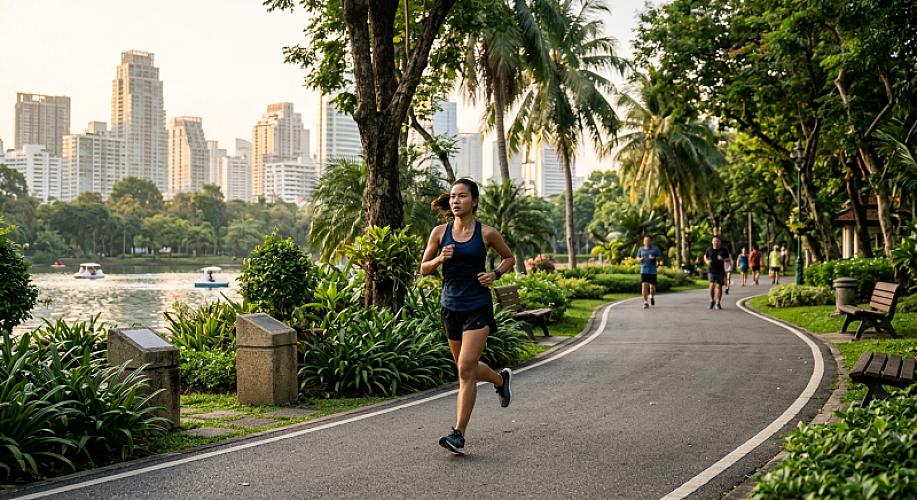
- Roadwork: A 3 to 5 kilometer run to wake up the cardiovascular system.
- Skipping: 10 to 15 minutes of jumping rope on thick plastic ropes.
- Shadow Boxing: 3 rounds to warm up the joints and practice movement.
- Bag Work: 3 to 5 rounds of kicking and punching the heavy bags.
- Conditioning: Push ups, sit ups, and pull ups to finish.
Afternoon Session (16:00 to 18:30)
- Warm up: Skipping and stretching.
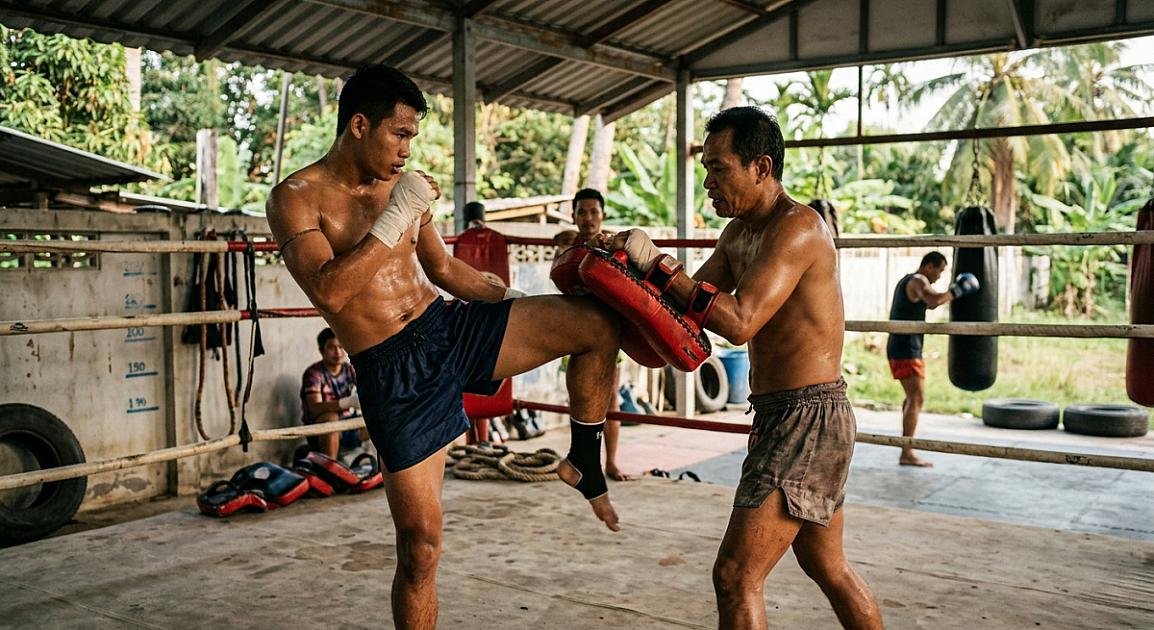
- Pad Work: 3 to 5 rounds of one on one training with a trainer holding Thai pads. This is the most important part of the day for learning.
- Sparring or Clinching: Controlled sparring for advanced students, or neck wrestling (clinching) to build core strength and technique.
- Bag Work: Focused drills on the bags.
- Cool Down: Stretching and abdominal work.
Local Logistics and Tips
Getting Around
If you train in the Old City, you can walk or ride a bicycle. For gyms further out, like Santai, you will need transport. Renting a 125cc scooter costs about 2,000 to 3,000 THB per month. Always wear a helmet and carry an International Driving Permit, as police checkpoints are common around the city moats.
Alternatively, you can use the red songthaews (shared taxi trucks) which cost 30 to 50 THB per ride within the city, or book rides via the Grab app.
Gear
Most gyms provide shared gloves and shin guards, but they smell bad and wear out quickly. It is highly recommended to buy your own gear. You can buy high quality, Thai made brands like Fairtex, Twins, or Top King at shops around Thapae Gate or directly from the gyms. Expect to pay around 1,800 to 2,500 THB for a good pair of leather gloves.
Climate and Seasonality
Chiang Mai has three distinct seasons. The cool season (November to February) is the best time to train, with morning temperatures sometimes dropping to 15 degrees Celsius. The hot season (March to May) is incredibly hot and coincides with the agricultural burning season, which causes poor air quality. Many people find training outdoors difficult during these months. The rainy season (June to October) brings high humidity and afternoon downpours, but the air is clean and accommodation prices are low.
Frequently Asked Questions
Do I need to be in shape before starting Muay Thai in Chiang Mai?
No. Gyms welcome all fitness levels. Trainers will adjust the intensity of the pads and bag work to match your current stamina, allowing you to build fitness as you go.
Can I fight in a local stadium as a foreigner?
Yes. If you train consistently and your trainers believe you are ready, they can easily arrange a fight for you at Thapae Stadium or Chiang Mai Boxing Stadium.
What should I wear to my first Muay Thai class?
Wear comfortable athletic wear like shorts and a t-shirt or tank top. Traditional Muay Thai shorts are preferred because they allow wide leg movement. You will train barefoot.
Is it easy to find healthy food near the gyms?
Yes. Chiang Mai is famous for cheap, healthy food. You can get chicken and rice (Khao Man Gai) or stir-fried meat with basil for 50 to 80 THB at local stalls.