How to balance remote work with Muay Thai, strength training, and yoga in Phuket. A practical guide to gyms, neighborhoods, and costs.
Phuket is a massive island, not a compact beach town. If you choose the wrong base, you will spend hours in traffic or waste thousands of Baht on taxis. For digital nomads, the challenge is balancing reliable internet and quiet workspaces with high quality training facilities.
This guide cuts through the marketing fluff. Here is the practical reality of staying fit while working remotely in Phuket, including specific neighborhoods, actual costs, and logistics.
Choosing Your Base: The Three Main Fitness Hubs
Phuket has three distinct areas where fitness facilities and nomad infrastructure overlap. Your choice depends on your budget and your preferred training style.
1. Rawai and Nai Harn (The Southern Hub)
Rawai is the most balanced area for long term stays. It has a large expat community, excellent cafes with fast Wi-Fi, and a wide variety of gyms. It feels less like a tourist resort and more like a residential community.
- The Vibe: Laid back, coastal, and active.
- Gyms: Rawai Active, Action Zone, and several boutique yoga studios.
- Coworking & Cafes: Project Cafe, WeCafe, and various beachside spots with stable internet.
- Best For: Nomads who want a mix of strength training, yoga, beach access, and a social community.
2. Chalong and Soi Ta-iad (The Hardcore Training Strip)
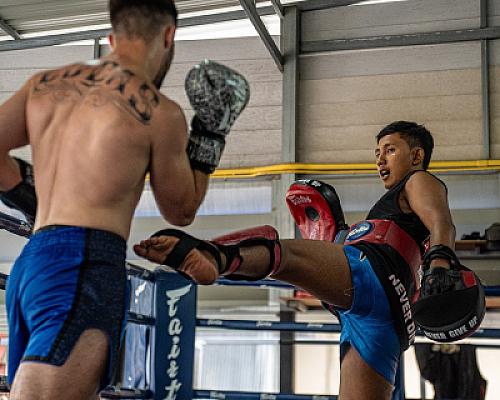
Soi Ta-iad is a 1.5 kilometer street in Chalong dedicated entirely to fitness. It is world famous for Muay Thai, MMA, and strength conditioning. It is highly focused, intense, and loud.
- The Vibe: Pure athletic focus. Everyone here is training, eating clean, or recovering.
- Gyms: Tiger Muay Thai, Unit 27 (CrossFit and functional fitness), and Titan Fitness.
- Coworking & Cafes: The street is lined with healthy restaurants serving high protein meals, many of which have decent Wi-Fi, though dedicated quiet coworking spaces are limited.
- Best For: Nomads who want to train twice a day and do not mind living in a high intensity environment away from the beach.
3. Bangtao and Cherngtalay (The Upscale Hub)
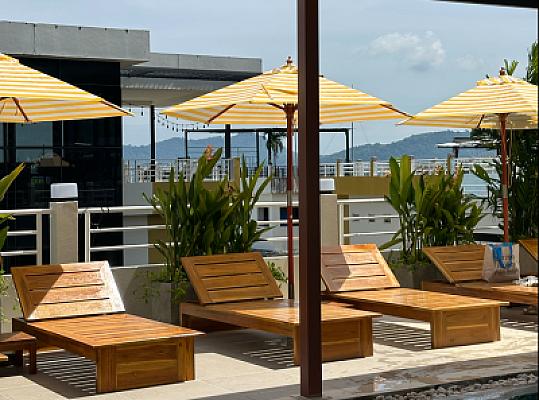
Located on the west coast, Bangtao is more expensive but offers a highly polished lifestyle. It attracts tech founders, families, and remote workers with higher budgets.
- The Vibe: Premium, clean, and modern.
- Gyms: Bangtao Muay Thai & MMA (a world class facility for both martial arts and strength training), and various high end hotel gyms.
- Coworking & Cafes: Focus One, botanical cafes, and the Porto de Phuket area.
- Best For: High earning nomads who want premium facilities, modern coworking spaces, and a cleaner beach environment.
Gym Types and Real Costs in Phuket
Phuket is no longer a cheap backpacker destination. Fitness prices have risen, but they still offer good value compared to Western cities. Here is what you can expect to pay in Thai Baht (THB).
Muay Thai Camps
Most camps offer twice daily training sessions. You can pay per session, weekly, or monthly.
- Drop-in session: 300 to 500 THB.
- Weekly rate: 1,500 to 2,500 THB.
- Monthly rate: 4,500 to 10,000 THB (depending on whether you want one or two sessions per day).
Commercial Strength and Conditioning Gyms
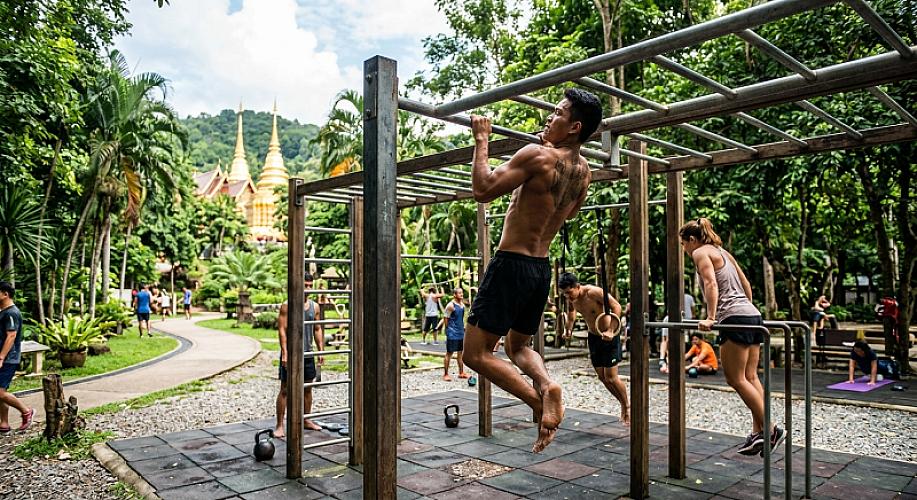
These range from basic, open air weight rooms to fully air conditioned, multi story facilities.
- Basic local gym (non AC): 100 to 150 THB drop-in, 1,000 to 1,500 THB monthly.
- Modern AC gym: 250 to 400 THB drop-in, 2,000 to 3,500 THB monthly.
- Premium functional fitness/CrossFit: 500 to 700 THB drop-in, 4,500 to 6,500 THB monthly.
Yoga and Pilates
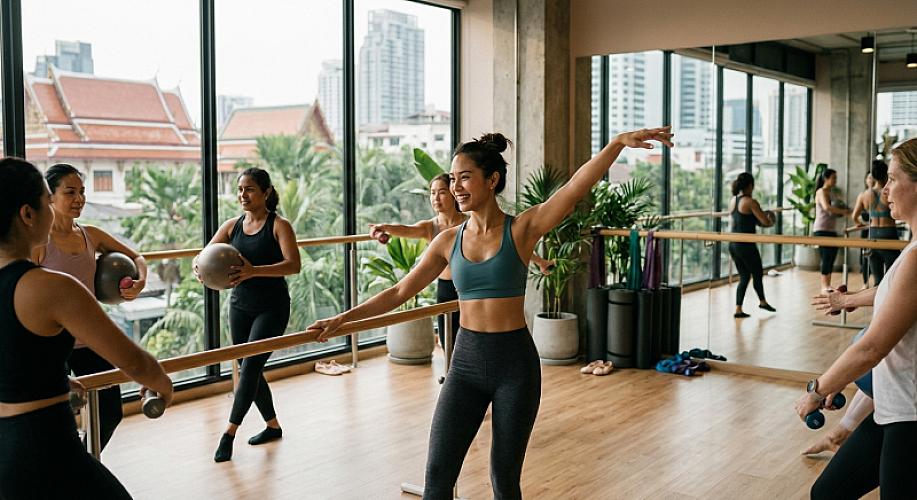
Yoga is highly accessible, particularly in Rawai and Bangtao.
- Single class: 350 to 500 THB.
- 10-class pass: 3,000 to 4,500 THB.
Managing the Climate and Your Work Schedule
Phuket is hot and humid year round, with temperatures averaging 32°C (90°F). If you try to maintain a standard Western training schedule, you will burn out quickly.
Beat the Heat
Train early in the morning (between 6:00 AM and 8:00 AM) or late in the afternoon (after 5:00 PM). If you must train midday, choose an air conditioned gym. Training in an open air gym at 1:00 PM is a recipe for heat exhaustion.
Hydration is Cheap
Do not rely solely on plain water. Go to any 7-Eleven and buy Royal-D electrolyte powder packets. They cost about 6 THB each. Mix one with water during or after your workout to replace lost salts.
Structuring Your Day
A common, sustainable routine for digital nomads in Phuket looks like this:
- 7:00 AM, 8:30 AM: Morning workout (Muay Thai or gym session).
- 9:00 AM, 10:00 AM: Breakfast and recovery.
- 10:00 AM, 4:00 PM: Deep work at a cafe or coworking space during the hottest part of the day.
- 5:00 PM, 6:30 PM: Light cardio, yoga, or a swim at the beach.
- 7:00 PM onwards: Dinner and socializing.
Transport and Logistics
Phuket lacks the public transit systems of Bangkok. There is no BTS or MRT.
Scooter Rental
This is the most common way to get around. A standard Honda Click (125cc or 150cc) costs between 3,000 and 4,500 THB per month.
- Safety: Wear a helmet. Police checkpoints are frequent in Chalong and Rawai. The fine for riding without a helmet or a valid international driving permit is 500 to 1,000 THB.
- Road Conditions: Wet season (May to October) makes the roads incredibly slick. Drive slowly.
Ride Hailing Apps
If you do not want to ride a scooter, download Bolt and Grab. Bolt is generally cheaper in Phuket. A 15 minute car ride will cost around 150 to 250 THB. Avoid local tuk-tuks for daily commuting as they are expensive and require negotiation.
Internet and SIM Cards
Do not rely on gym Wi-Fi. Buy a local SIM card from AIS or TrueMove at the airport or a local mall. A monthly unlimited data plan with speeds of 20-30 Mbps costs around 350 to 600 THB. You can easily use your phone as a hotspot if a cafe's Wi-Fi drops.
Frequently Asked Questions
Which area in Phuket has the best internet and gyms?
Rawai offers the best balance. It has excellent modern gyms like Rawai Active, plenty of laptop-friendly cafes with fast Wi-Fi, and a strong community of remote workers.
How much does a monthly gym membership cost in Phuket?
A standard air-conditioned gym costs between 2,000 and 3,500 THB per month. Premium functional fitness or CrossFit boxes cost between 4,500 and 6,500 THB.
Can I train Muay Thai as a complete beginner?
Yes. Almost every Muay Thai camp in Phuket, including those on Soi Ta-iad, caters to absolute beginners. Trainers will scale the intensity to your fitness level.
How do I get around Phuket without riding a scooter?
Use the Bolt or Grab apps to book cars or motorbike taxis. It is safer than renting a scooter, though it costs more over the course of a month.