Training After an Injury in Thailand: Physio, Recovery, and Getting Back to It
Getting injured while training in Thailand is more common than people like to admit. Muay Thai knee from overtraining, a pulled shoulder from too many pull-ups after a long break, a ankle sprain from trail running on une
Getting injured while training in Thailand is more common than people like to admit. Muay Thai knee from overtraining, a pulled shoulder from too many pull-ups after a long break, a ankle sprain from trail running on uneven ground — the combination of heat, unfamiliar training volumes, and people pushing harder than usual on holidays creates real injury risk. Knowing what to do when it happens is useful information before you need it.
Common Training Injuries in Thailand
The injuries that come up most often among expats and long-term visitors training in Phuket and Bangkok are fairly predictable. Muay Thai produces shin splints (from too much bag work too fast), knee pain from clinch and sweeping drills, and shoulder issues from hooks and over-extension on pad combos. Running in the heat produces more calf strains and Achilles problems than people used to running in cooler climates expect. Gym-related lower back injuries tend to come from deadlifting on poorly maintained equipment or using barbells that are the wrong weight for someone who has not trained seriously in a while.
Physiotherapy in Phuket
The quality of physiotherapy in Phuket has improved significantly over the past decade. There are now several clinics with properly qualified physiotherapists, many of whom have trained abroad and work specifically with athletes and active people.
BIMC Hospital Phuket (Karon)
BIMC in Karon has a sports medicine and physiotherapy unit that is probably the most consistently reliable option in the tourist-heavy south of the island. Consultation fees start around 1,500-2,500 THB for an initial assessment, with treatment sessions 1,000-1,800 THB each. The staff here speak English well and are used to dealing with sports injuries rather than just post-surgical rehab. Getting an appointment within a day or two is usually possible for non-emergency cases.
Mission Hospital Phuket (Phuket Town)
Mission Hospital in Phuket Town has a physiotherapy department with lower pricing than the private tourist-area clinics. Expect 800-1,200 THB for a physiotherapy session. The wait times are longer, the environment is more hospital-style and less boutique, but the clinical quality is solid and the cost difference matters if you need multiple sessions per week over a month.
Independent Physio Clinics
Several independent physiotherapy practices operate around Rawai and Chalong, often set up by expats or Thai practitioners who worked abroad. These tend to be smaller, more appointment-focused operations where you get consistent treatment from the same practitioner rather than rotating through a hospital department. Prices are typically in the 1,000-1,500 THB range per session. Worth asking around in expat fitness groups on Facebook for current recommendations, as individual clinics change more frequently than hospital departments.
Physiotherapy in Bangkok
Bangkok has a much larger pool of sports physiotherapy options, particularly in areas with high concentrations of expats and fitness-focused people.
BNH Hospital in Silom has a well-regarded sports medicine unit. Vejthani Hospital in Lat Phrao area is popular with the Muay Thai and BJJ community. The Sports Physiotherapy clinic at Bangkok Hospital is another competent option but tends to have a longer booking lead time. In Bangkok, prices for quality physiotherapy range from 1,500-3,500 THB per session depending on the facility and whether it is a general hospital outpatient setting or a specialist sports clinic.
Modified Training During Recovery
The temptation to stop training entirely when injured is understandable but usually counterproductive. Most injuries allow for some form of modified training that maintains cardiovascular fitness and muscle work in the areas not affected by the injury.
A knee injury that prevents running often still allows upper body weight training, swimming, and cycling (depending on the injury type and pain presentation). A shoulder injury from Muay Thai does not stop leg training, core work, or running. The key is getting a clear diagnosis and asking your physiotherapist specifically what you can continue rather than defaulting to complete rest.
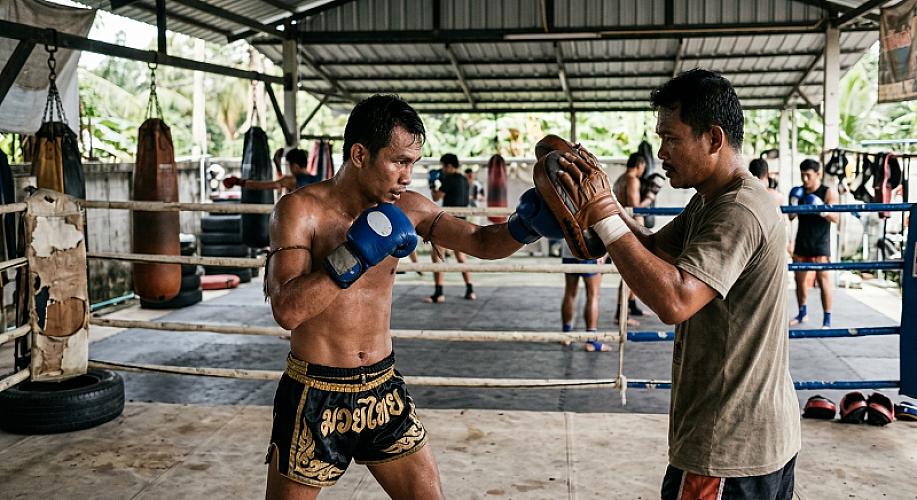
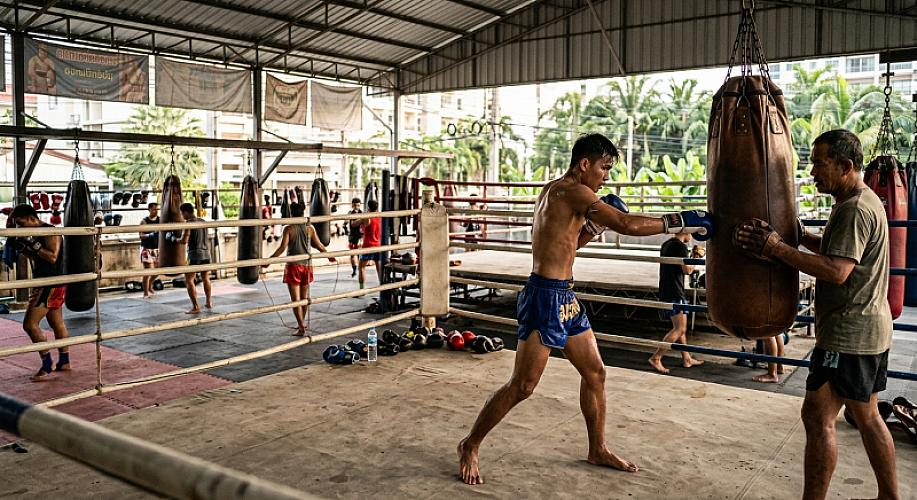
For Muay Thai injuries specifically, most experienced trainers at the major Phuket camps are accustomed to working with trainees who have restrictions. Telling your trainer "I have a right knee issue, no kicking with the right leg" gets you a modified pad session focused on boxing and footwork. The training culture at Thai camps is more practical than rigid about this.
The Thai Massage Factor
Traditional Thai massage is not physiotherapy and should not be treated as a substitute for proper assessment and treatment of sports injuries. However, it is useful for general muscle recovery between training sessions and for addressing muscle soreness and tightness that does not involve a specific injury.
Sports massage from a practitioner who understands training (rather than a general tourist spa) is more useful for athletes. Several massage shops near major training areas in Rawai and Chalong specifically advertise sports massage, and the quality varies. A good sports massage in Phuket runs 400-600 THB per hour; anything substantially cheaper is probably more about relaxation than treatment.
Realistic Recovery Timelines
The heat and humidity in Thailand do not meaningfully accelerate recovery timelines compared to a temperate climate, despite what some people suggest. What can accelerate recovery is the accessibility of daily treatment, the ability to keep moving in a warm environment (which helps with inflammation and stiffness), and the reduced life-stress of being in holiday or training mode rather than working a desk job.
A Grade 1 muscle strain typically resolves with modified training in 1-2 weeks. Grade 2 sprains (partial tears) need 3-6 weeks of rehabilitation. More significant injuries (Grade 3 tears, stress fractures) require medical imaging and proper diagnosis before anyone can give you a useful timeline.
The biggest mistake people make in Thailand specifically is trying to train through pain because they have paid for a training camp and do not want to miss sessions. Training on an injured joint or muscle that is not healed accelerates the injury from acute to chronic and turns a 2-week recovery into a 6-month problem. Get assessed, follow the physiotherapy plan, and modify training accordingly.
Medical Insurance
If you are doing any serious training in Thailand, make sure your travel or health insurance covers sports injuries. Some policies exclude injuries sustained "while engaging in hazardous activities," and the definition of hazardous varies by insurer. Muay Thai training specifically is listed as excluded on some standard travel insurance policies. Read the policy before you need it, not after.
Compliment your recovery with structured training: see our Bangkok Muay Thai guide or explore functional fitness options in Phuket.
The RoamFit editorial team researches and maintains Thailand's fitness directory. We combine verified Google data, on-the-ground knowledge of gyms, Muay Thai camps and studios, and hands-on testing to help expats, health tourists and locals train anywhere in the country. Every guide is fact-checked against the listings in our directory.