Hard training demands good recovery. Here is where to find sports massage, physio, herbal treatments, and cold therapy in Phuket.
Training hard in Phuket is easy. Finding good recovery support takes more effort.
Most visitors discover pretty quickly that their body needs more than sleep to handle the training volume here. Daily Muay Thai sessions, double yoga classes, or week-long surf-and-strength combinations add up fast. Without decent recovery work, you will be limping by Thursday.
Phuket has a solid range of options, from traditional Thai massage to modern sports physio clinics staffed by actual professionals. Here is where to focus.
Traditional Thai Massage
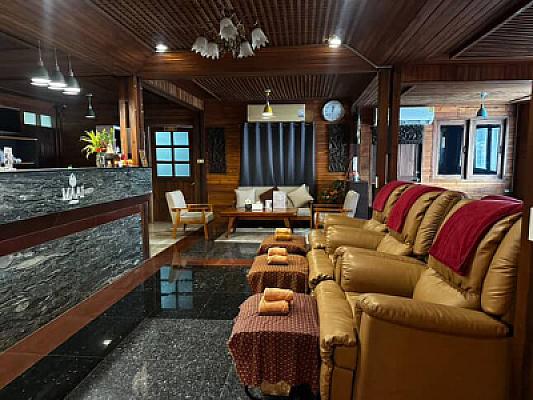
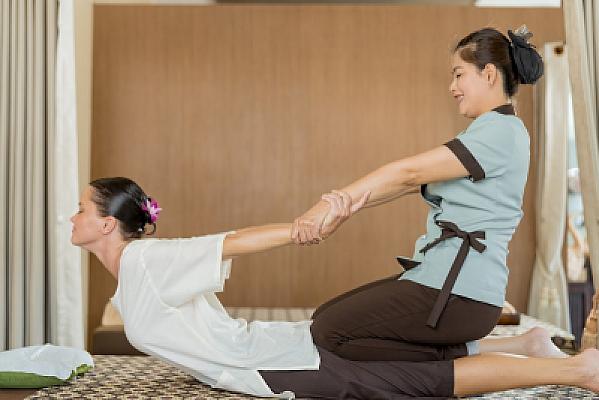
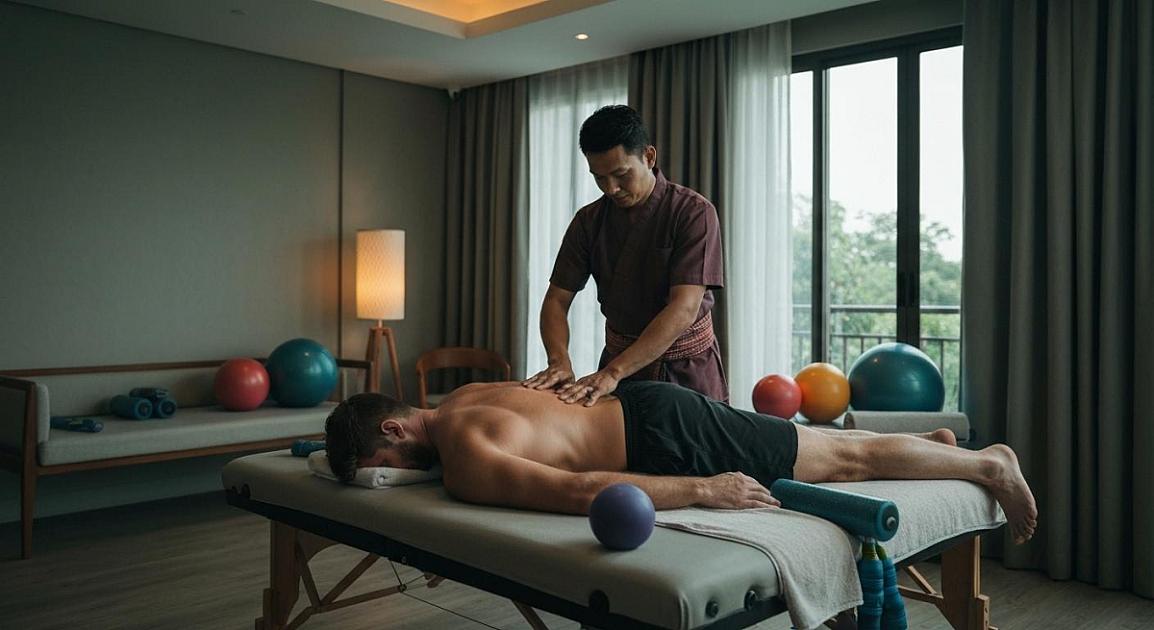
This is the foundation for anyone training in Thailand. Traditional Thai massage is different from the oil massage you might get at a spa. It is more physical, involving compressions, stretching, and work along energy lines. Done well, it is effective for tight hips, stiff backs, and general training fatigue.
The challenge is that quality varies a lot. Tourist-focused places exist at one end of the spectrum. At the other, you have therapists who have been working with Muay Thai fighters for years and know exactly what to do with a locked-up hip flexor.
For training-focused massage, look for therapists attached to or recommended by actual gyms rather than standalone roadside shops.
Price range: 300 to 600 baht per hour for general Thai massage. Sports-focused work tends to run 500 to 800 baht.
Sports Massage
Sports massage is more targeted than traditional Thai massage and focuses specifically on athletic recovery. Therapists trained in sports massage work on muscle groups that are fatigued from specific activities, and they are generally better equipped to handle acute issues like DOMS, muscle cramps, or overuse patterns.
Several gyms in Phuket have in-house massage therapists specifically for this. Tiger Muay Thai in Chalong, for example, has therapists who work daily with fighters in camp. Training camps that offer residential packages often include massage as part of the program.
What to look for: Someone with sports massage credentials or experience working with athletes, not just a short certification course.
Sports Physiotherapy
If something is actually wrong, you need a physio, not a massage. Phuket has a small number of qualified sports physiotherapists, and the quality is better than most people expect.
Bangkok Hospital Phuket has a sports medicine department that sees a lot of training-related injuries, including from long-term expat athletes and fighters. The standard of care is generally high and English is spoken well.
A few standalone physio clinics in Phuket Town and Chalong also cater specifically to expats and long-stay athletes. These tend to offer dry needling, soft tissue work, and exercise rehabilitation programs.
If you have a nagging knee issue, shoulder problem, or anything that has been bothering you for more than a week, go to a physio rather than hoping it resolves on its own. A good therapist will identify the actual cause and give you specific corrective work. Massage will reduce the pain temporarily without fixing the underlying issue.
Cost: Initial assessment and treatment at a sports physio clinic typically runs 1,500 to 2,500 baht. Follow-up sessions around 1,000 to 1,500 baht.
Herbal Steam and Traditional Thai Medicine
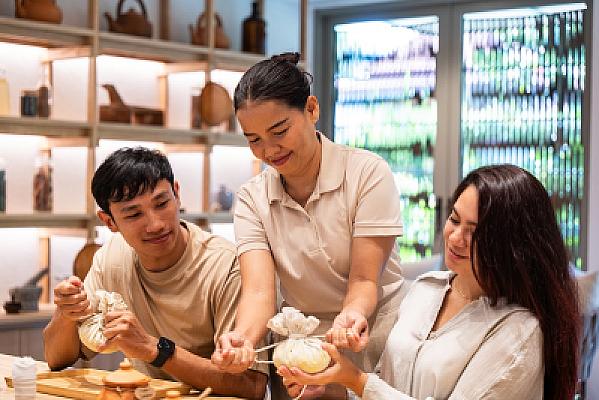
Traditional Thai medicine includes treatments beyond massage. Herbal steam baths, cupping, and herbal compress treatments are all legitimate therapeutic options that have been used by Thai athletes for generations.
Herbal steam is particularly useful for respiratory recovery and general muscle soreness. You will find proper herbal steam facilities at some wellness centers and traditional medicine practitioners around the island.
Cupping, especially in its traditional dry-cup form, is effective for certain muscle issues and is practiced at several clinics in Phuket. If you have not tried it before, let the practitioner know, and start with a lighter session.
Yoga and Mobility Work
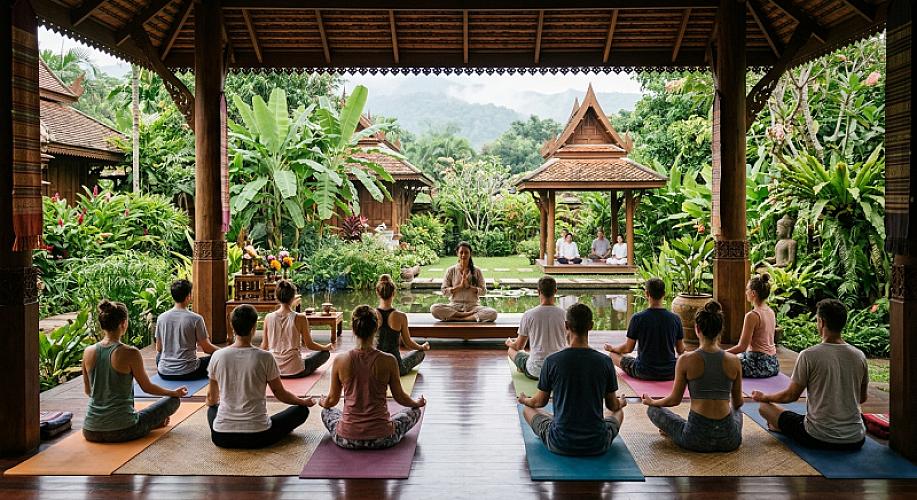
Dedicated mobility work is one of the most underrated recovery tools for athletes. Phuket has a strong yoga scene, and yin yoga in particular is useful for athletes who need deep tissue release without adding more muscular load to already tired legs.
Several studios offer classes targeted specifically at Muay Thai fighters and endurance athletes, focusing on hip flexors, thoracic spine mobility, and shoulder stability. These are the areas that tend to break down first under heavy training.
Two or three yin yoga sessions per week alongside heavy training tends to significantly extend how long you can maintain high training volume before something goes wrong.
Cold Water Immersion
A growing number of Phuket gyms now offer cold water immersion, either as dedicated ice baths or cold plunge pools. Tiger Muay Thai and several other major camps have these facilities.
Cold water immersion after intense sessions reduces delayed-onset muscle soreness and helps with recovery between training days. The standard protocol is 10 to 15 minutes at 10 to 15 degrees Celsius. Not comfortable, but consistently effective.
Building a Recovery Routine
The practical approach: plan one massage session every three or four training days. Add a yin yoga session weekly if your schedule allows. If something specific is wrong, get to a physio in the first week rather than training through it and hoping for the best.
Athletes who train consistently over long periods without serious injury are almost always the ones who treat recovery with the same attention as the training sessions themselves. It is not optional if you want to keep training at volume.
The RoamFit editorial team researches and maintains Thailand's fitness directory. We combine verified Google data, on-the-ground knowledge of gyms, Muay Thai camps and studios, and hands-on testing to help expats, health tourists and locals train anywhere in the country. Every guide is fact-checked against the listings in our directory.