Bangkok vs Phuket vs Chiang Mai vs Koh Samui: Which Thailand City is Best for Fitness Training?
Comparing Bangkok, Phuket, Chiang Mai, and Koh Samui for fitness training — which Thai city suits your goals, budget, and travel style.
Thailand has become one of Asia's top fitness travel destinations — but "Thailand" covers a lot of ground. Bangkok, Phuket, Chiang Mai, and Koh Samui each offer a genuinely different training experience, shaped by their geography, culture, and the type of traveller they attract. Choosing the right base makes a real difference to what you get out of the trip.
This guide compares the four main cities side by side, so you can decide where to go — or how to combine them.
Phuket: The International Training Hub
Phuket is Thailand's most developed fitness destination for international visitors and, for most serious training travellers, still the default first choice.
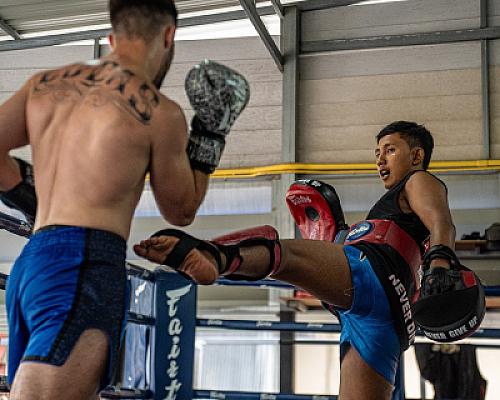
The case for Phuket: The concentration of world-class gyms — particularly along Soi Taied in Chalong — is unmatched in Southeast Asia. In a single street, you have access to Tiger Muay Thai, Sitsongpeenong, Sinbi Muay Thai, multiple CrossFit affiliates, and dozens of yoga studios. The infrastructure around training (English-speaking trainers, flexible packages, sports massage, quality accommodation near gyms) is the most developed of any city in Thailand.
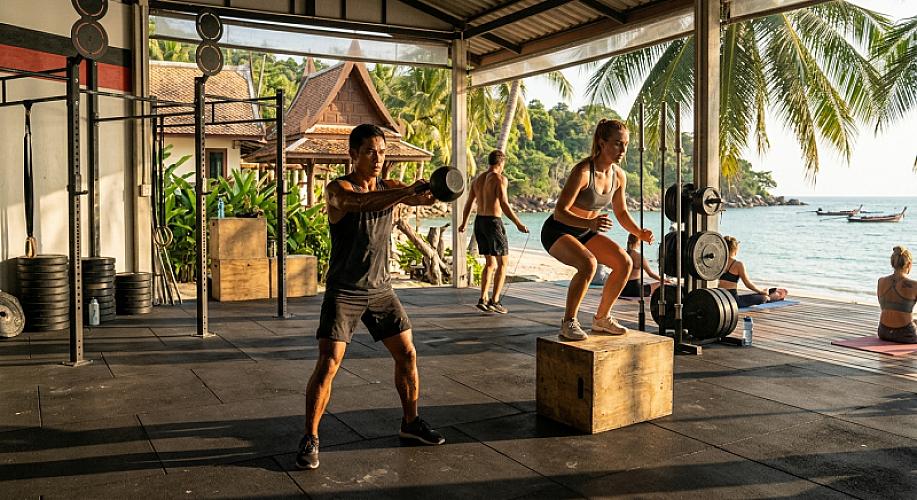
Phuket also has the broadest selection of disciplines: Muay Thai, boxing, BJJ, MMA, wrestling, yoga, pilates, CrossFit, weightlifting, swimming, cycling, and triathlon training. Whatever you're after, there's almost certainly a specialist option. See the complete Phuket fitness guide for the full breakdown.
The trade-offs: Phuket is busy, particularly in high season (December–March). The tourist infrastructure around Patong can feel overwhelming, and some of the beach areas have more nightlife than is compatible with twice-daily training. Costs are higher than Chiang Mai or smaller Thai towns. The beach lifestyle is real, but managing the balance between training and holiday mode requires intention.
Best for: Dedicated training trips, anyone whose primary goal is Muay Thai or combat sports, visitors wanting maximum discipline variety, those combining training with beach holiday.
Best time to visit: November to April (dry season). May to October is wet but training continues year-round. Full seasonal breakdown in the Phuket training seasons guide.
Bangkok: Stadium Culture and Urban Fitness
Bangkok is where Muay Thai was born and where the sport's deepest culture still lives. The city has two legendary boxing stadiums — Rajadamnern and Lumpini — and the training camps that feed them represent a different kind of Muay Thai experience from Phuket's international-facing scene.
The case for Bangkok: If authentic Muay Thai connected to the stadium circuit is the goal, Bangkok is the only answer. Training camps near the stadiums work with fighters who genuinely compete, and the technical standard — particularly in clinch work and ring IQ — tends to be higher than at Phuket's more tourist-oriented camps. Bangkok also has the largest commercial gym infrastructure in Thailand, with multiple Fitness First Platinum locations, 24-hour chains, and dozens of CrossFit boxes spread across Sukhumvit, Silom, and Thonglor.
The trade-offs: Bangkok is a massive, hot city with traffic that can turn a 3km trip into 40 minutes. Accommodation near the best Muay Thai camps isn't in the most appealing parts of the city. The urban environment lacks the beach and natural recovery backdrop that makes Phuket and Koh Samui work so well for training.
Best for: Serious Muay Thai students who want stadium-connected training, expats or long-stay visitors, those who want maximum fitness infrastructure in a single city, city-based trips that aren't primarily about nature or beach.
Explore: All Bangkok gyms and fitness facilities
Chiang Mai: Cool Climate, Low Cost, Long Stays
Chiang Mai is northern Thailand's cultural capital and one of Asia's most popular digital nomad bases. Its fitness scene is smaller than Bangkok or Phuket but punches above its weight — particularly for Muay Thai and yoga.
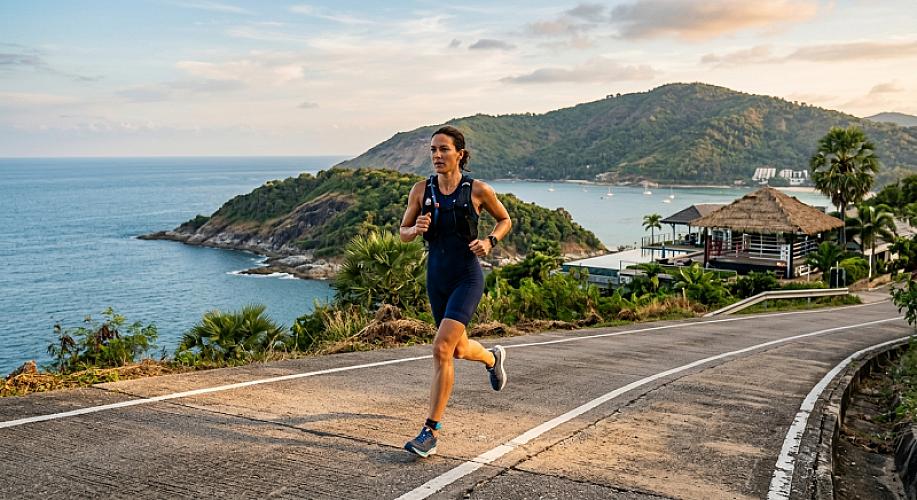
The case for Chiang Mai: The climate is the biggest advantage. Sitting at 300m elevation, Chiang Mai is noticeably cooler than the south — particularly November to February, when training in open-air gyms at 26°C feels genuinely comfortable rather than just survivable. The cost of living is lower than any of the other cities on this list, which means better-value training packages, cheaper accommodation, and more budget left for quality food and recovery. The city is also walkable and manageable in a way Bangkok never will be.
Lanna Muay Thai is one of the most respected camps in northern Thailand, with decades of history. The yoga scene is well-developed and genuinely good. CrossFit Chiang Mai has a strong community. And the old city, temples, and surrounding mountains make recovery days genuinely enjoyable rather than just time between sessions.
The trade-offs: Fewer discipline options than Phuket. Limited BJJ and MMA. March and April bring agricultural smoke that can make outdoor cardio unpleasant. No beach. The city's café culture can make it easy to spend more time working at a laptop than training.
Best for: Month-plus stays, digital nomads who want to train seriously, yoga-focused travellers, budget-conscious athletes, anyone who finds southern Thailand's heat a limiting factor.
Explore: All Chiang Mai gyms and fitness facilities
Koh Samui: Island Training with Genuine Beach Balance
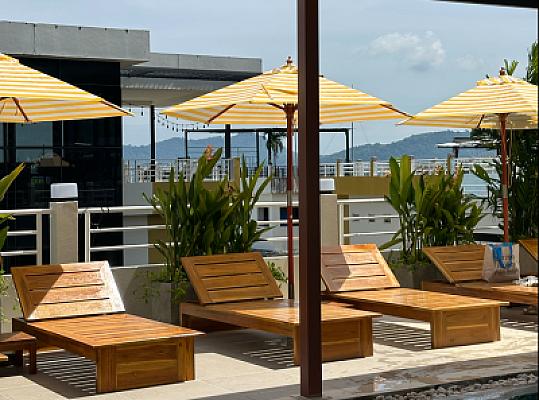
Koh Samui is Thailand's second-largest island and a well-developed beach resort destination. Its fitness scene is smaller than the other three cities, but it offers something they can't: a genuine tropical island environment with real beach quality and a pace that actually allows for proper recovery.
The case for Koh Samui: If the trip needs to work for a non-training partner, or if the goal is to combine solid Muay Thai with a real island holiday, Samui solves the balance problem more naturally than Phuket. Several good Muay Thai camps — including Lamai Muay Thai Camp and Sing Samui — offer genuine technical training in a setting where beach afternoons feel earned rather than guilty. The island is smaller and less congested than Phuket, and the Gulf of Thailand's water (calmer than the Andaman) is excellent for swimming recovery.
The trade-offs: Koh Samui's weather runs almost opposite to Phuket — the island's wettest months are October to December, when Phuket is entering its dry season. Fitness infrastructure is limited beyond Muay Thai and yoga. No CrossFit affiliate to speak of, limited BJJ, and commercial gyms are basic. Not the right base for someone whose primary goal is training variety.
Best for: Mixed groups where not everyone is training, those who want Muay Thai plus genuine beach time, shorter trips (one to two weeks) where the combination of island and training matters as much as volume.
Explore: All Koh Samui gyms and fitness facilities
Side-by-Side Comparison
| Phuket | Bangkok | Chiang Mai | Koh Samui | |
|---|---|---|---|---|
| Muay Thai | ★★★★★ | ★★★★★ | ★★★★☆ | ★★★☆☆ |
| Yoga / Wellness | ★★★★☆ | ★★★★☆ | ★★★★☆ | ★★★☆☆ |
| CrossFit / HIIT | ★★★★★ | ★★★★☆ | ★★★☆☆ | ★☆☆☆☆ |
| Climate for training | ★★★☆☆ | ★★☆☆☆ | ★★★★★ | ★★★☆☆ |
| Cost | ★★★☆☆ | ★★★☆☆ | ★★★★★ | ★★★★☆ |
| Beach / nature | ★★★★☆ | ★☆☆☆☆ | ★★☆☆☆ | ★★★★★ |
| Discipline variety | ★★★★★ | ★★★★★ | ★★★☆☆ | ★★☆☆☆ |
Multi-City Itinerary Ideas
The Classic Circuit (3–4 weeks): Fly into Bangkok (3–5 days) for stadium culture and city gyms, fly to Chiang Mai (1–2 weeks) for focused, cooler-climate Muay Thai, finish with Phuket (1 week) for beach recovery and a final hard training block. This pattern gives genuine exposure to Muay Thai's different faces.
The Training Focus Trip (2 weeks): Bangkok for the first 5 days, then Phuket for a serious 9-day camp at a Soi Taied gym. The Bangkok stint provides cultural context; Phuket delivers the volume. See the Phuket training camps guide for camp package details.
The Nomad Base (1–3 months): Chiang Mai as a home base with training baked into the work week, with a 1-week Phuket trip mid-stay for intensive training or a specific course. Best for remote workers who want sustainable fitness integrated into a longer stay. The digital nomad fitness guide covers the Phuket end of this arrangement.
The Island Duo (2 weeks): Koh Samui for one week (Muay Thai + beach), Phuket for one week (more serious training). Good for couples or groups where the holiday dimension matters as much as the training.
Making the Decision
The simplest filter: if training is 80%+ of the trip's purpose, Phuket or Bangkok. If training is 50% and the rest is travel, Chiang Mai or Koh Samui depending on whether you want mountains or beach. If you're staying more than a month, Chiang Mai's cost and climate make it the most sustainable base.
Browse all gyms by city: Bangkok | Chiang Mai | Koh Samui | Phuket
The RoamFit editorial team researches and maintains Thailand's fitness directory. We combine verified Google data, on-the-ground knowledge of gyms, Muay Thai camps and studios, and hands-on testing to help expats, health tourists and locals train anywhere in the country. Every guide is fact-checked against the listings in our directory.