Ice Baths and Cold Therapy in Phuket and Bangkok: Where to Find It and What It Costs
Ice baths and cold plunges have exploded in popularity across Thailand lately. What used to be a niche recovery tool for elite athletes is now a standard part of the fitness scene in both Phuket and Bangkok. Whether you
Ice baths and cold plunges have exploded in popularity across Thailand lately. What used to be a niche recovery tool for elite athletes is now a standard part of the fitness scene in both Phuket and Bangkok. Whether you want a high-end recovery center or a cheap DIY setup at home, here is the current state of cold therapy in Thailand.
The reality of cold recovery in the heat
The main reason cold exposure works so well in Thailand is simple: heat management. If you are training outdoors or in a non-AC gym, your core temperature stays elevated long after you finish. A proper cold plunge brings that down fast, reduces muscle soreness (DOMS), and just makes you feel human again after a brutal session.
A quick tip: use cold plunges after conditioning or high-volume sessions. If you are training for pure strength or muscle growth, maybe skip the ice bath immediately after—it can actually blunt some of those gains if you do it every single time.
Where to get cold in Phuket
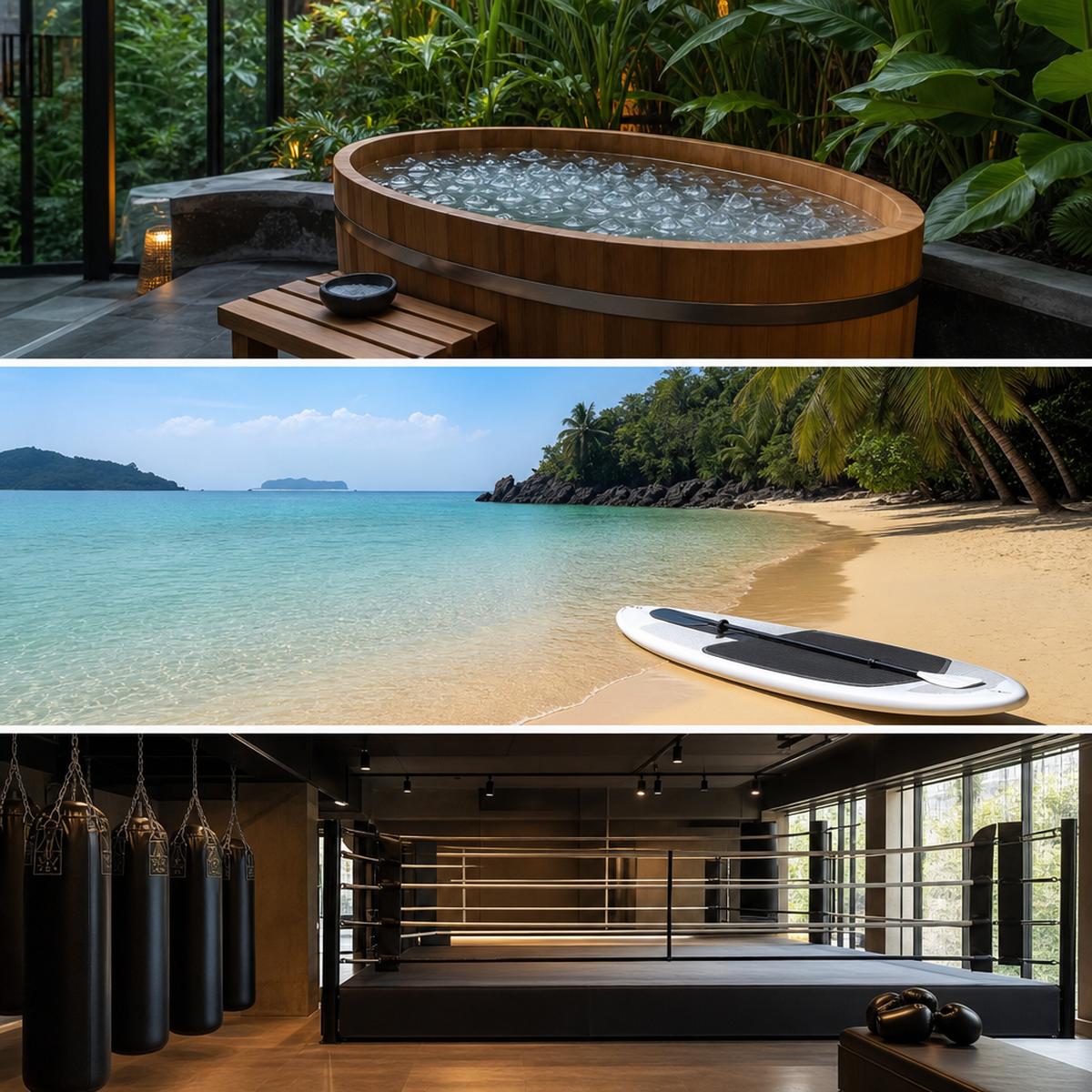
Thanyapura Health and Sports Resort (Thalang): This is the gold standard on the island. Their recovery center has a dedicated cold plunge pool kept at around 10-12°C. You can get a day pass for 500-800 THB, which gives you access to the whole facility. It’s professional, consistent, and rarely crowded.
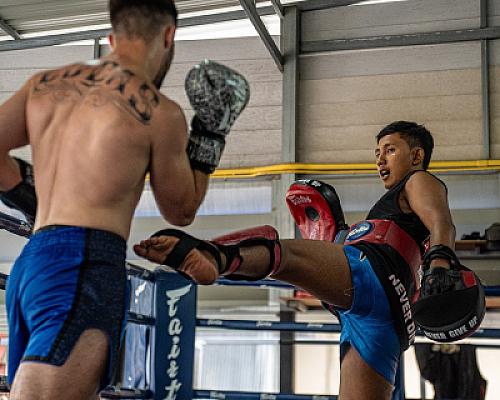
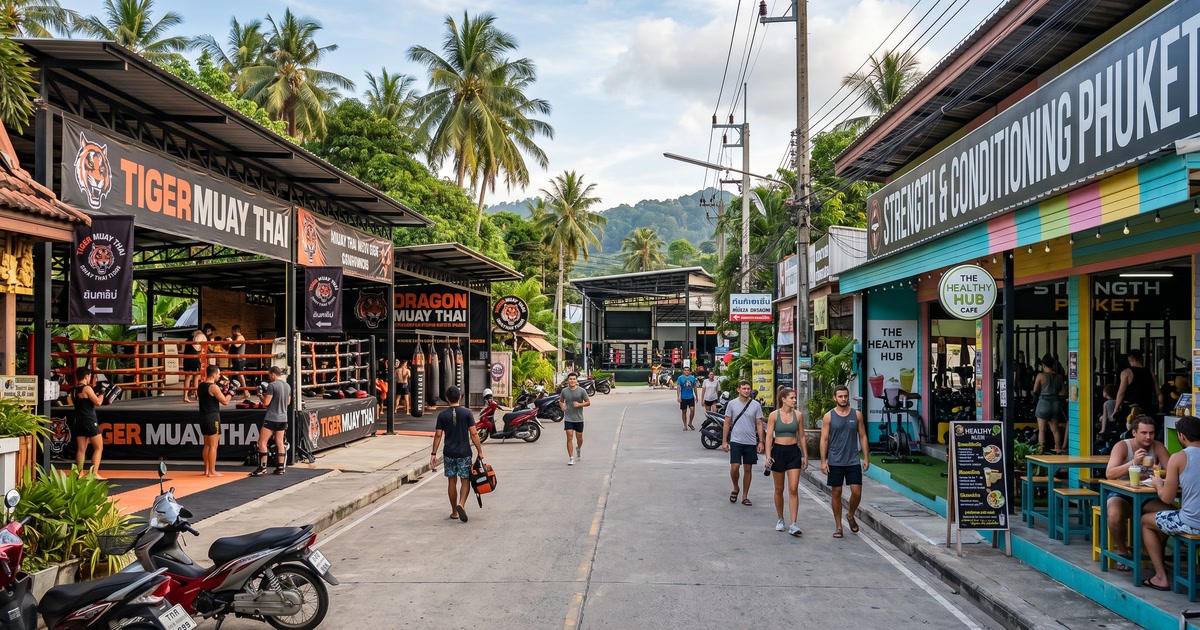
Muay Thai Street (Soi Ta-ied): Most of the big camps here now have cold plunges. Tiger Muay Thai and Phuket Top Team both have setups for their members. If you are training at a camp, check if it’s included in your package.
Stay Wellness & Resort (Rawai): A newer option in the south with a very high-end spa and recovery area that includes serious cold plunge facilities. Expect to pay around 600-900 THB for a session if you aren\'t staying there.
The DIY approach: This is what most serious trainees in Phuket actually do. Buy a large plastic water trough (available at any hardware store for ~1,500 THB) and fill it with ice. A 25kg bag of ice from a local petrol station or 7-Eleven costs about 40-50 THB. You’ll need 3-4 bags to get a decent temperature. If you have the outdoor space, this is the most cost-effective way to do it daily.
Cold therapy spots in Bangkok
Bangkok has a much higher density of dedicated recovery centers. These are usually cleaner and more "boutique" than the Phuket gym setups.
CRAFT Bangkok (Ekkamai): Probably the most famous spot for contrast therapy (alternating hot and cold). They have proper ice baths and saunas. A single session is around 500-800 THB, or you can get an unlimited monthly pass for about 4,000 THB. It’s a very social spot for the local fitness community.
REC Bangkok (Thong Lo): Another solid option that combines training with recovery. Their cold plunge is well-maintained and usually costs around 500 THB for a drop-in session.
Premium Gyms: Some high-end chains like Virgin Active (EmQuartier or Wireless Rd locations) have cold plunges in their spa areas. If you are already a member, it’s a massive perk.
What about Cryotherapy?
Whole-body cryotherapy (the liquid nitrogen chambers) exists in Bangkok, mostly around Sukhumvit. It’s much more expensive—usually 1,000-1,500 THB for a 3-minute session. While it’s "cleaner" than an ice bath, many people find a traditional water-based plunge more effective for cooling down after a workout. In Phuket, cryo options are limited and inconsistent, so stick to the water plunges.
The \"Free\" version: Cold showers
If you don’t want to pay for a plunge, a 3-minute cold shower still helps. The tap water in Thailand isn\'t exactly "ice cold" (it\'s usually around 24-26°C), but it’s still significantly cooler than your body temperature after training. It’s not as intense as a 10°C bath, but it’s a zero-cost way to start managing your recovery better.
Contrast therapy (Hot and Cold)
If you have access to both a sauna and a cold plunge, try alternating them. 15 minutes in the heat, 3 minutes in the cold, repeat 3 times. This "vascular flushing" is great for circulation and is the standard protocol at places like Thanyapura and CRAFT.