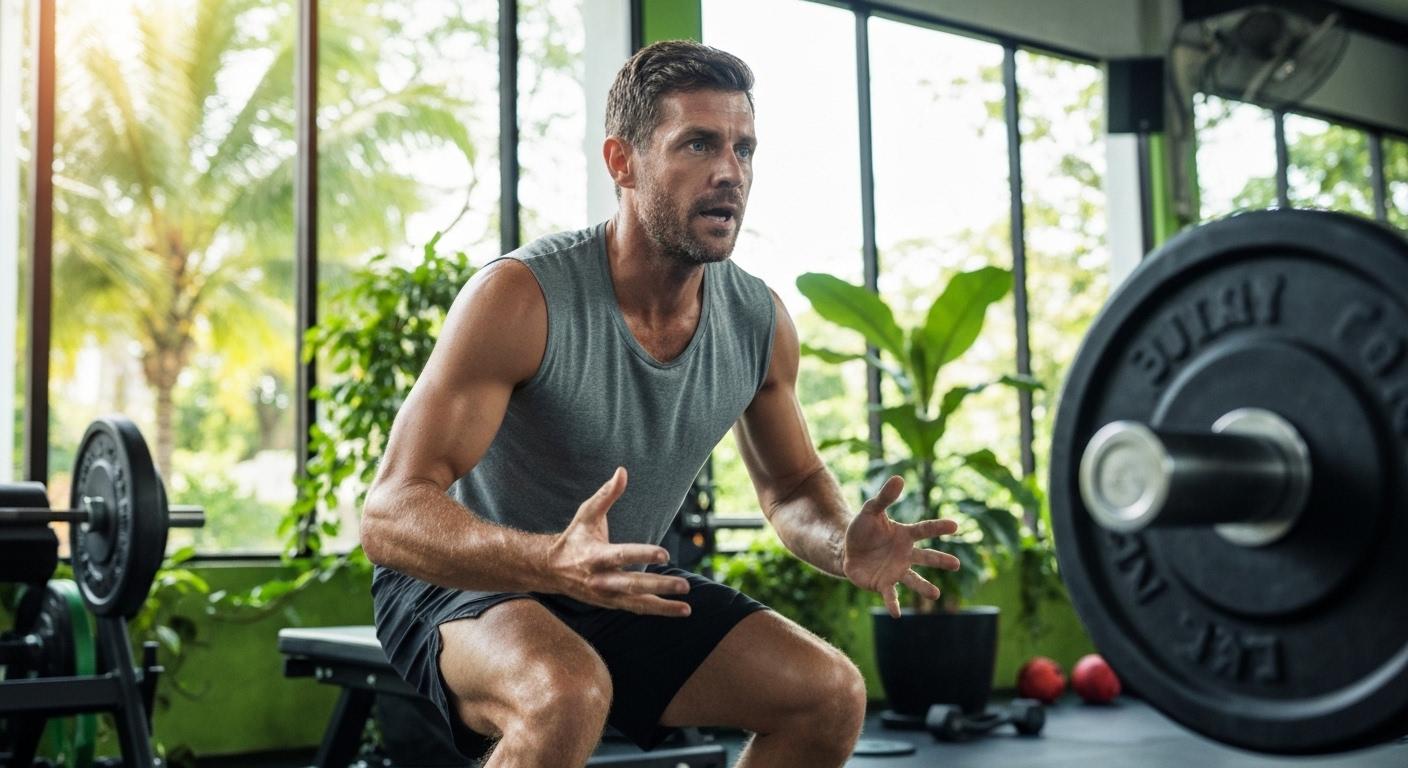
Training in Phuket After 40: How to Train Smart and Get Real Results
How to train smart in Phuket after 40 — recovery management, injury prevention, nutrition, and how to structure Muay Thai camp training.
The majority of serious fitness travellers arriving at Phuket training camps are in their thirties, forties, and fifties — not the twenty-two-year-olds who dominate fight posters. And the ones who train most effectively in their forties are usually the ones who've stopped trying to train like they're twenty-two. This guide covers how to approach a Phuket training trip when recovery takes longer, injury risk is higher, and the adaptations from training take more time — without compromising on what you actually get out of the experience.
What Changes After 40
Understanding the physiology helps calibrate expectations and training choices.
Recovery time increases: After 40, muscle protein synthesis in response to training stimulus slows, and the inflammatory response to exercise takes longer to resolve. What an experienced 25-year-old recovers from in 24 hours may take 36–48 hours at 45. This doesn't mean training less — it means managing the density of high-intensity work more carefully.
Connective tissue becomes less resilient: Tendons, ligaments, and cartilage lose elasticity and take longer to adapt to new loads. The shin conditioning that happens quickly at 25 takes longer at 45. The shoulder adapts more slowly to the volume of punching a Muay Thai camp demands. These adaptations happen — they just require more patience and more conservative initial loading.
Hormonal environment shifts: Testosterone and growth hormone levels decline across the forties, which affects both muscle-building capacity and recovery speed. Sleep quality tends to deteriorate. Neither of these changes is catastrophic for training, but they mean that the lifestyle factors supporting training — sleep, nutrition, alcohol management — matter more proportionally than they did at a younger age.
What doesn't change: Skill acquisition, cardiovascular adaptation, fat loss response, and the mental benefits of hard training. Older athletes often have better focus, more consistent attendance, and greater technical commitment than younger ones. The gap narrows significantly when measured by outcomes per hour of quality training.
Structuring Training Intelligently
Prioritise Quality Over Volume
Twice-daily training is possible and manageable for most fit adults over 40 — but the approach matters. Rather than two equally hard sessions, a better structure for older athletes is:
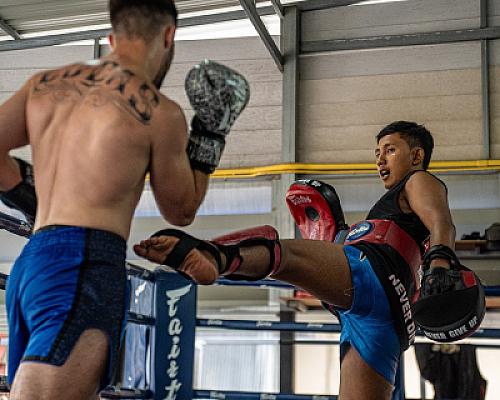
- Morning session: Full technique work — padwork, bag rounds, drilling. The highest quality session of the day when freshest.
- Afternoon session: Lighter. Technique review, technical sparring (not hard sparring), clinch work, or supplementary training like yoga or strength work. 70% of morning session intensity.
This preserves skill development and cardiovascular volume while significantly reducing the recovery load from twice-daily training at full intensity.
Rest Days
One true rest day per week is the minimum. Many experienced athletes over 40 find two rest days per week — or at least one active recovery day (swimming, yoga, walking) — produces better weekly training quality than six consecutive hard days. Discuss this explicitly with your camp trainer — good trainers will accommodate a recovery-smart approach and respect it.
Avoid Sparring in the First Week
This is especially important for older athletes. The connective tissue adaptation needed to handle contact work safely takes more time. Two weeks of strong padwork and bag training before beginning any sparring is a reasonable minimum. There's no loss in waiting — technique development happens fastest without the additional cognitive load of live contact, and arriving at sparring fresh and technically solid produces better learning than jumping in early and compensating with athleticism.
Recovery: Non-Negotiable at This Level
Recovery tools that are optional extras for younger trainees become structural necessities for athletes over 40 training at high volume.
Sleep
Seven to nine hours of quality sleep per night is the most important recovery tool available. The hormonal recovery that happens during deep sleep — growth hormone release, muscle protein synthesis, cortisol reduction — is compressed and compromised at shorter sleep durations. Protect it actively: no screens after 9 PM, blackout curtains in accommodation, no alcohol that disrupts sleep architecture.
Sports Massage
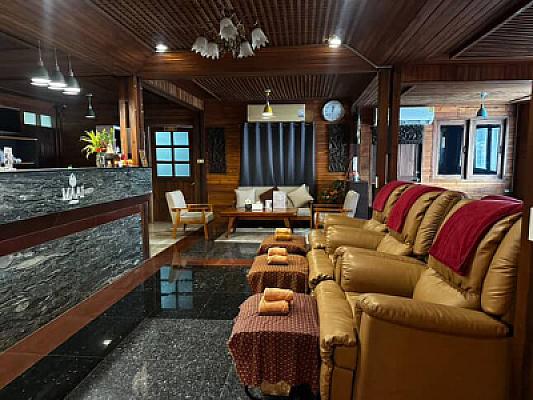
Regular sports massage (three times per week during a high-volume camp) is particularly effective for managing the connective tissue stiffness that accumulates more rapidly in older athletes. A session on alternating days between training prevents the progression from normal tightness to dysfunctional stiffness. See the sports massage guide for what to ask for and what to budget.
Cold Therapy
Ice baths and cold showers reduce the inflammatory response to training and accelerate the resolution of contact-related bruising. Ten minutes in cold water (10–15°C) post-session is more impactful for older athletes than younger ones, because the inflammatory response being managed is larger. The recovery tools guide covers where to access this in Phuket.
Mobility Work
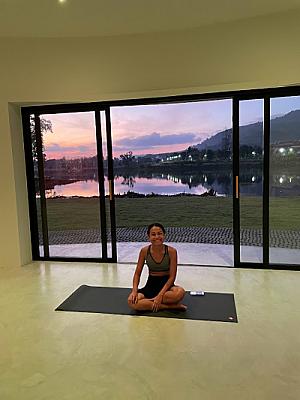
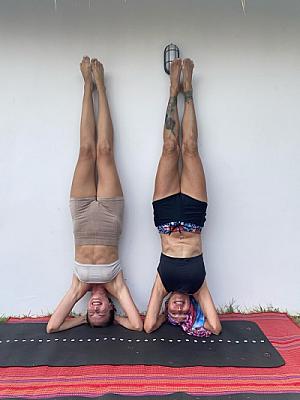
A daily 20-minute mobility routine — hip flexors, hamstrings, thoracic spine, shoulders — prevents the specific tightness patterns that Muay Thai training creates from becoming injury precursors. This is most effective in the evening, when the day's training has already loosened the tissues. The full flexibility guide covers what to prioritise for Muay Thai specifically.
Nutrition: What Matters More Now
Protein
Research consistently shows that older adults require higher protein intake to achieve the same muscle protein synthesis response as younger adults. The target for athletes over 40 training at high volume is 1.8–2.2g of protein per kg of bodyweight daily — on the higher end of general athlete recommendations. At a Phuket camp, this means making protein the anchor of every meal: chicken, fish, eggs, and legumes are all available cheaply at local food stalls.
Anti-Inflammatory Foods
The chronic low-grade inflammation that increases with age responds well to diet. Thai food's heavy use of ginger, turmeric, garlic, and chilli provides genuinely useful anti-inflammatory compounds when consumed regularly. Tom yum soup, larb, and green papaya salad are all high in these ingredients alongside useful protein and micronutrients.
Alcohol
The gap in recovery impact between "two drinks" and "no drinks" is larger over 40 than it is at 25. Alcohol disrupts sleep quality, increases systemic inflammation, and impairs the protein synthesis response to training for 12–24 hours after consumption. This isn't about abstinence — it's about being clear-eyed that the cost of a drinking night is higher than it used to be, and weighting the decision accordingly.
Working with Trainers
Be direct about your age and training history with your trainers. Experienced Muay Thai trainers have worked with athletes at every age and will adjust their approach accordingly — not by giving you an easier version of the programme, but by selecting which elements to progress carefully and which to hold back on. A trainer who knows you're 47, have a history of shoulder issues, and are here for three weeks will coach you differently (and better) than one who assumes you're 25 and invincible.
Personal training sessions are particularly valuable for athletes over 40 who want technique feedback without the intensity of group sessions. One-on-one padwork allows the trainer to calibrate intensity and focus on the specific technical corrections that matter for your level. See the personal trainer guide for how to find and evaluate trainers.
What to Expect
Athletes over 40 who train intelligently in Phuket typically experience the same fundamental outcomes as younger visitors: significant cardiovascular improvement, body composition change, genuine Muay Thai technique development, and the mental reset that comes from focused physical challenge. The timeline is slightly different and the recovery requirements are higher, but the results are real.
The most common mistake is arriving with a twenty-year-old's training plan and a forty-five-year-old's connective tissue. The second most common mistake is using age as a reason to undertrain. The right approach is somewhere between — and a good Phuket trainer will help you find it.
Browse the Phuket training camps guide for camps with strong beginner and intermediate programming suited to adults at all training ages. For the 50+ perspective, the seniors fitness guide covers further considerations for that age group.