Bangkok Fitness Guide: Gyms, Muay Thai and Yoga for Travellers and Expats
Bangkok has more fitness options than most cities its size, which sounds great until you realise you have no idea where to start. The city sprawls across dozens of neighbourhoods, each with its own gym scene, price range
Bangkok has more fitness options than most cities its size, which sounds great until you realise you have no idea where to start. The city sprawls across dozens of neighbourhoods, each with its own gym scene, price range and crowd. This guide focuses on the areas most visitors and expats actually end up in: Sukhumvit, Silom and Ekkamai.
\\n\\nCommercial Gyms
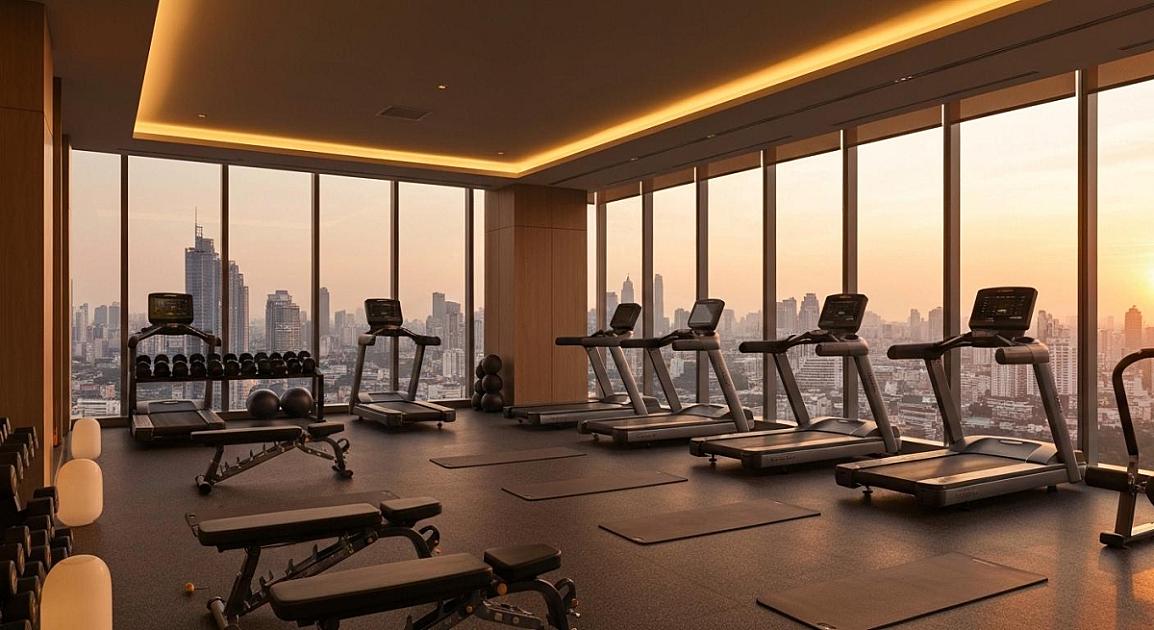
\\n\\nThe big chains are easy to find and generally clean. Fitness First has multiple branches across Sukhumvit, including at Terminal 21 (Asok BTS), Emporium and CentralWorld. A day pass runs around 450 THB, or you can buy a one-month membership starting at around 2,200 THB. The equipment is solid, the air conditioning works, and the showers are decent. It is not a social scene, just a functional gym.
\\n\\nVirgin Active operates at a higher price point, with branches at Emquartier and Esplanade. Day pass here is closer to 600-700 THB. The pool, spa facilities and classes are a notch above the competitors, which explains the premium. Expats on corporate packages tend to use Virgin Active; tourists rarely bother.
\\n\\nFor something cheaper, True Fitness and local independent gyms throughout Sukhumvit Soi 11, Soi 22 and the Thonglor area charge 150-250 THB for a day pass. The equipment varies but is usually adequate for a solid session.
\\n\\nMuay Thai in Bangkok
\\n\\nBangkok has dozens of Muay Thai gyms, ranging from serious training camps to tourist-focused gyms that are more about the experience than the technique. The distinction matters if you actually want to improve.
\\n\\nFairtex Muay Thai on Sukhumvit Soi 50 is one of the more respected commercial Muay Thai gyms in the city. Drop-in training costs around 600-700 THB per session, and monthly packages start at roughly 8,000 THB including unlimited sessions. They have English-speaking trainers and are used to working with foreigners who are serious about learning.
\\n\\nKempomaï Muay Thai near the Silom area has a good reputation among expats. Classes run twice daily at most gyms, morning around 8am and evening around 5-6pm. If you are in Bangkok for more than a week, training twice a day becomes genuinely feasible in a way that it probably is not at home.
\\n\\nIn the Ekkamai and Phra Khanong area, you will find smaller neighbourhood gyms where the ratio of Thai fighters to foreigners flips. These gyms charge less (often 400-500 THB per session) but training is conducted primarily in Thai and the environment is less accommodating of beginners. That said, if you speak some Thai or are an experienced martial artist, training here is more authentic.
\\n\\nOne practical note: most Muay Thai gyms in Bangkok do not require advance booking for drop-in sessions. Show up before the session starts, pay at the desk, and join the group. For Muay Thai nutrition, see our dedicated guide. Bring your own hand wraps if you have them; most gyms will sell or rent gloves.
\\n\\nYoga Studios
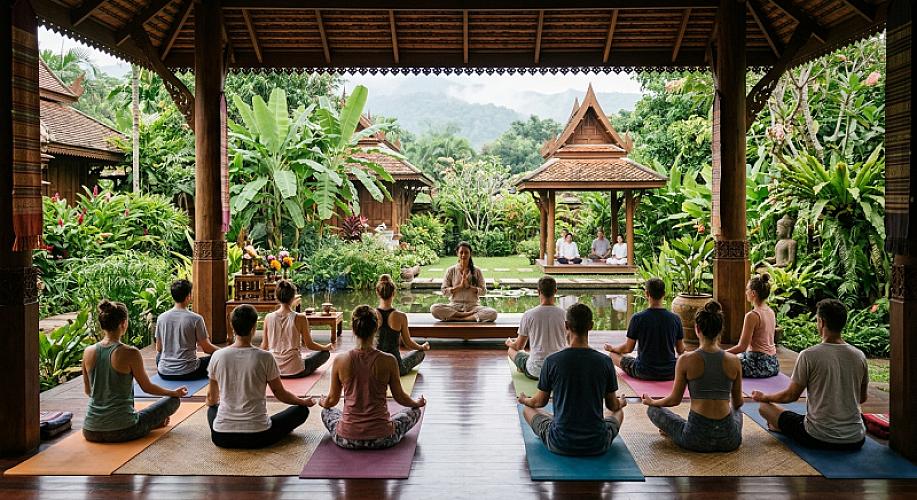
\\n\\nThe yoga scene in Bangkok has matured considerably in the last few years. Yoga Elements Studio in Ekkamai is probably the best-known dedicated yoga studio in the city, offering a broad schedule of Hatha, Vinyasa and restorative classes. Drop-in is around 500-600 THB. They have a loyal expat following and the instructors are genuinely experienced.
\\n\\nAbsolute You operates multiple locations across the city, including Thonglor, Asok and Silom. They run both yoga and hot yoga classes. A single class drop-in is about 550 THB, or you can buy a 10-class package for around 3,800 THB if you are staying longer. Hot yoga here means a room heated to around 37-40 degrees Celsius, which in Bangkok already feels warm before you add the heat.
\\n\\nFor something less studio-polished, Lumpini Park and Benjakitti Park both have free outdoor morning sessions led by volunteers, usually starting around 6:30-7am. The yoga is basic and the setting is a public park, but if you are in Bangkok for a while and want to keep costs low, it works.
\\n\\nRunning in Bangkok
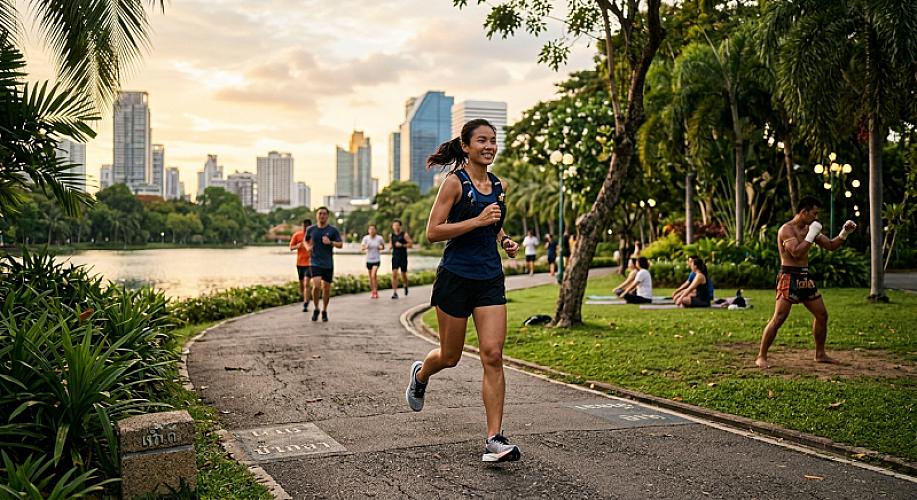
\\n\\nRunning on Bangkok streets is unpleasant at best. The footpaths are uneven, the air quality varies, and it is genuinely hot most of the year. That said, runners do find ways to make it work. Lumpini Park (near Silom) and Benjakitti Park (near Sukhumvit) are the two main options. Lumpini has a 2.5km loop around the outer perimeter; Benjakitti has a cleaner 1.5km lake loop that is lit at night.
\\n\\nMost serious runners in Bangkok run between 5:30 and 7am before the heat builds. By 9am it is already 30+ degrees and humid. Evening runs after 7pm are also possible once the temperature drops slightly, though the parks get dark and crowded.
\\n\\nArea Guide
\\n\\nSukhumvit has the highest concentration of commercial gyms and yoga studios, particularly in the Asok to Thonglor stretch (BTS Asok to Thonglor). This is where most expats and longer-stay tourists are based, so the fitness infrastructure reflects that demand.
\\n\\nSilom is more office-worker territory, which means a lot of gyms cater to the lunchtime and after-work crowd. Prices are similar to Sukhumvit but the area is slightly less convenient for tourists not staying nearby.
\\n\\nEkkamai (between Thonglor and On Nut on the BTS Sukhumvit line) has developed into a hub for yoga studios and boutique fitness in recent years. It is quieter than central Sukhumvit and tends to attract a different crowd. The Ekkamai-Phra Khanong corridor is worth exploring if you are based on the eastern stretch of the BTS line.
\\n\\nPractical Notes
\\n\\nBangkok gyms are generally open seven days a week. Most commercial gyms run 6am-10pm, while smaller independent gyms may close earlier. Muay Thai gyms typically have two session times per day with a midday break.
\\n\\nChiang Mai has a different fitness vibe entirely. Fitness culture in Bangkok is relatively image-conscious, particularly in the commercial gyms. You will see a lot of gym gear advertising and people filming themselves training. This is just how it is; do not read too much into it.
\\n\\nIf you are staying for a month or more, buying a monthly gym membership almost always makes financial sense over paying daily. Most gyms will prorate a membership if you ask, and some will sell you a two-week pass as a compromise.
\\n\\nAlso see our Phuket vs Bangkok fitness comparison and our guide to Koh Samui gym options for training alternatives.
\\n\\nHeat is a real factor. Even in air-conditioned gyms, Bangkok's ambient temperature means you will sweat more than usual. Bring a towel, drink more water than you think you need, and do not be surprised if your first few sessions feel harder than they should.
The RoamFit editorial team researches and maintains Thailand's fitness directory. We combine verified Google data, on-the-ground knowledge of gyms, Muay Thai camps and studios, and hands-on testing to help expats, health tourists and locals train anywhere in the country. Every guide is fact-checked against the listings in our directory.