Getting Back on Track After Overeating on Holiday in Thailand
You went on holiday in Thailand. You ate pad thai at midnight, drank more than usual, skipped several planned training sessions, and generally treated it like a holiday. Now you are either still in Thailand and want to r
You went on holiday in Thailand. You ate pad thai at midnight, drank more than usual, skipped several planned training sessions, and generally treated it like a holiday. Now you are either still in Thailand and want to reset, or you are about to go home carrying a few extra kilograms and a healthy layer of guilt. Here is a realistic guide to getting moving again without the self-punishment spiral.
First: The Reality Check
The amount of actual fat gained in 1-2 weeks of holiday eating is less than the scale suggests when you step back on it. Water retention from extra carbohydrates and sodium is real and often accounts for 2-3kg of what looks like holiday weight gain. That goes away within 1-2 weeks of returning to normal eating and training without any specific intervention. The genuine fat accumulated in a week of eating at a surplus is typically 0.5-1kg, not the 4kg the scale implies.
This matters because the panic response to holiday weight often leads to crash restricting, overtraining, or both, which tend to make things worse rather than better over any timescale longer than 2 weeks.
Week One: Just Start Moving Again
The first week back in training after a break is not the time for personal records or maximum intensity. If you took 10-14 days off training, your cardiovascular base drops noticeably, your lifting strength drops slightly, and your joints and connective tissue are less prepared for load than they were. Jumping straight back to pre-holiday intensity is a reliable path to minor injuries that then force a longer break than the holiday itself.
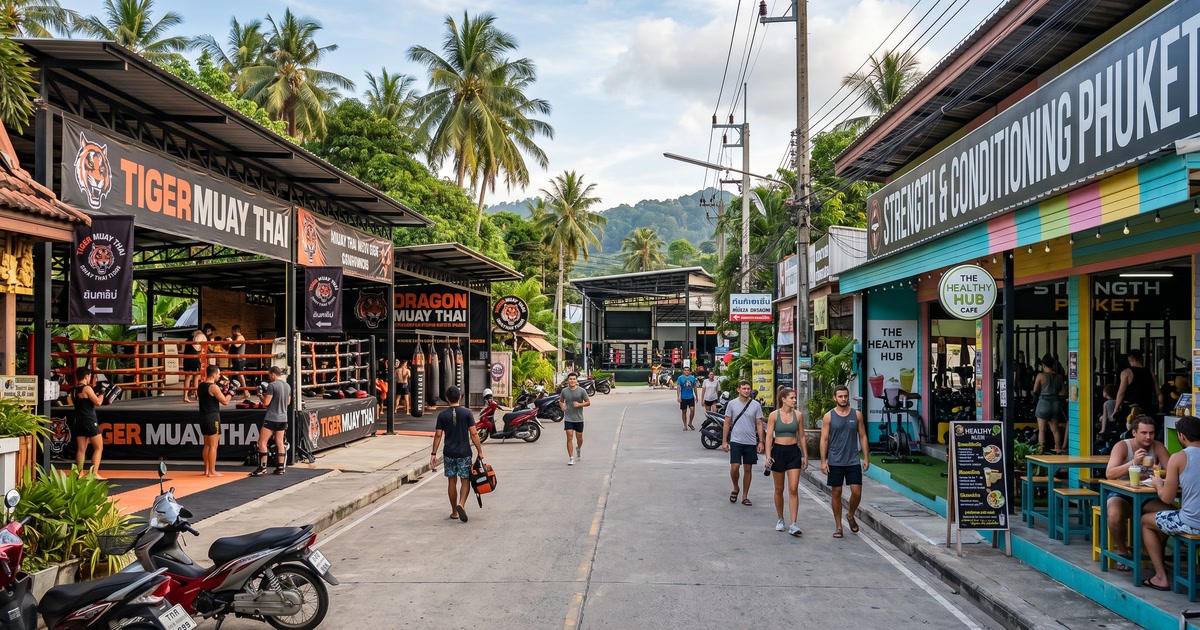
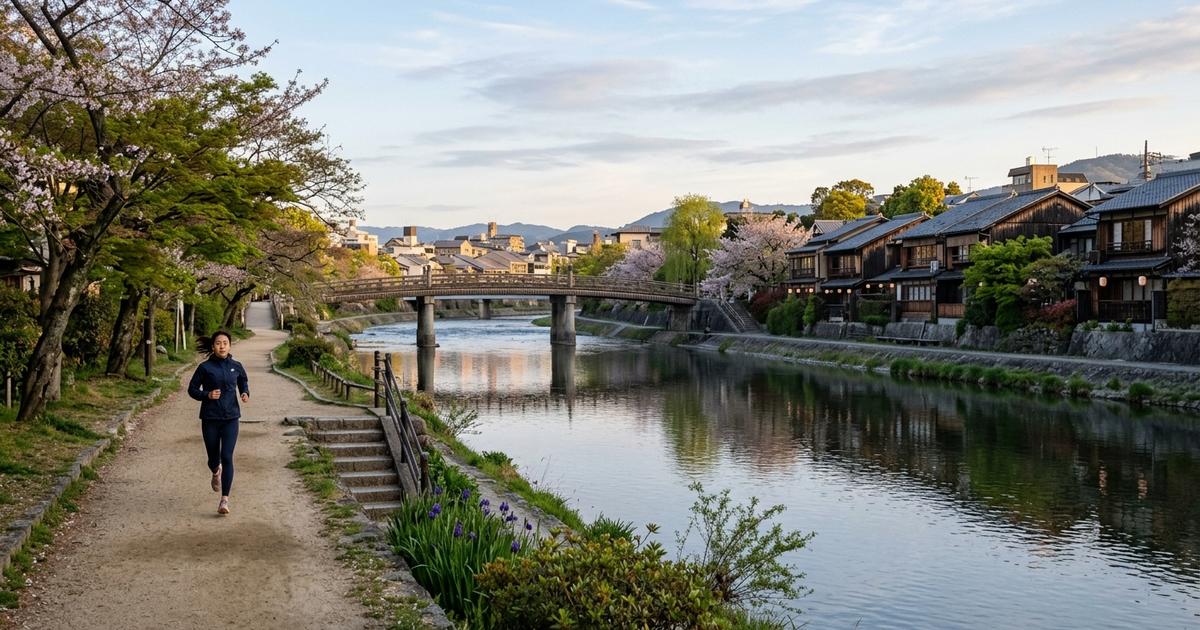
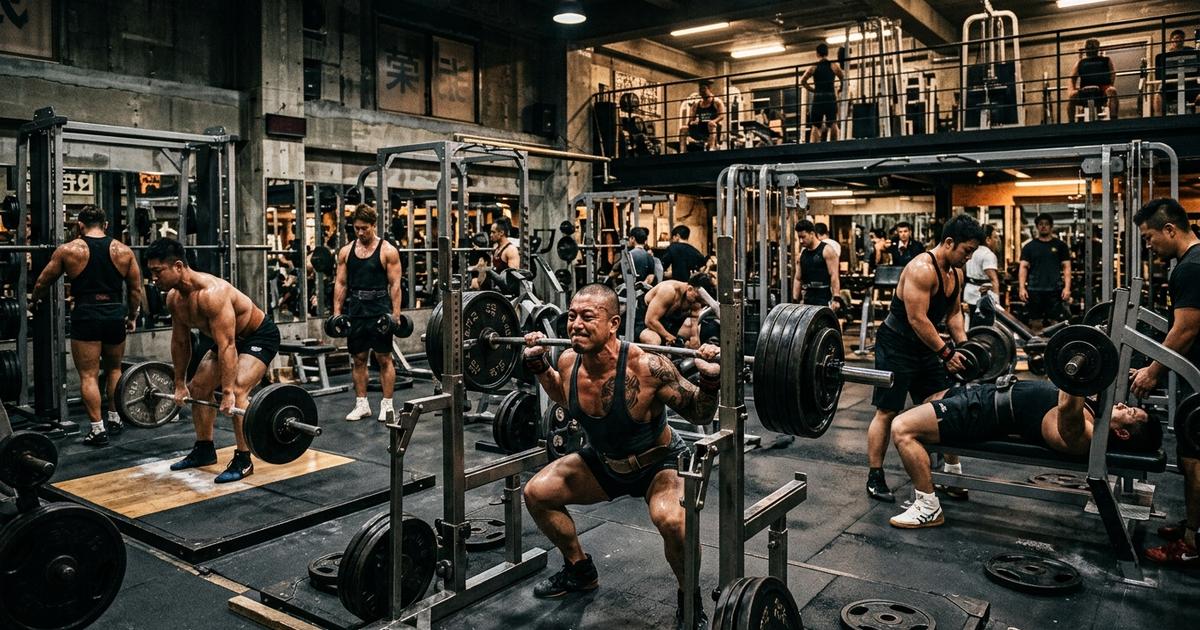
In Phuket, this might mean: 3-4 morning runs at Nai Harn at easy pace, 2-3 gym sessions at 70-80% of normal working weights, maybe one Muay Thai session to get moving without going too hard. In Bangkok, Lumphini Park in the morning before the heat builds is a low-pressure environment to get your legs moving without commitment to a specific pace or distance.
The goal of week one is simply to re-establish the habit. The training quality comes back quickly once you are consistent for 7-10 days.
Eating: What Actually Helps
Returning to normal portions of normal food is the most effective strategy. This sounds obvious but the impulse after a holiday is often to restrict dramatically ("I will only eat salads this week") which is hard to sustain, leads to hunger-driven overeating at the end of the week, and frankly makes the process miserable.
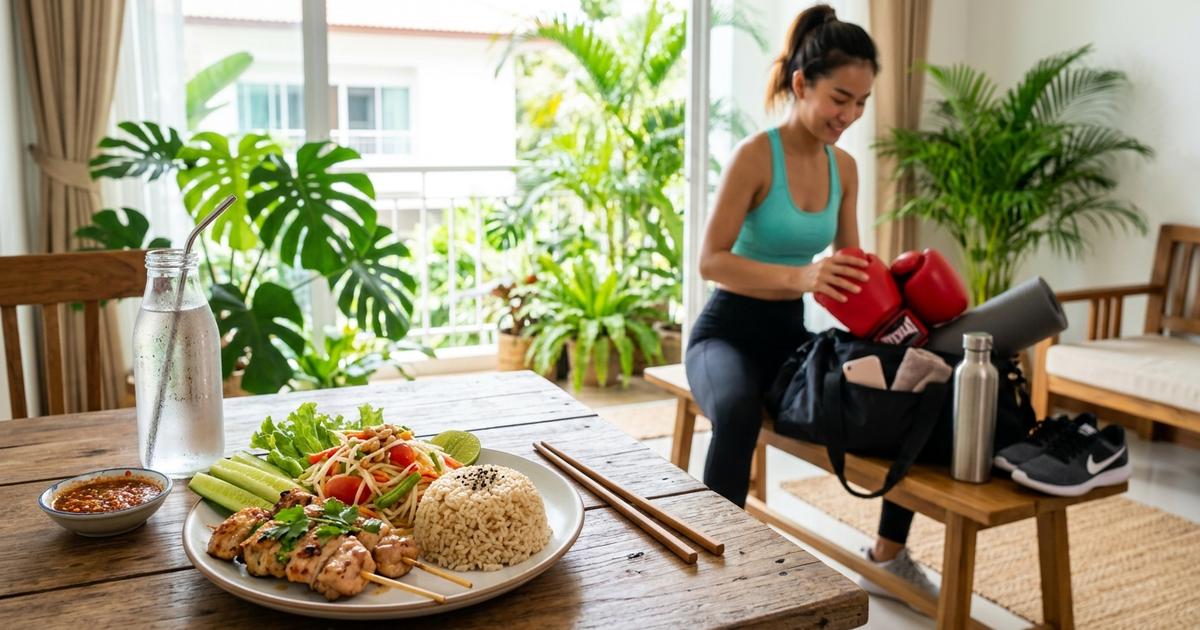
The practical version in Thailand: eat the food the country is actually good at making. Thai food at local restaurants (not the tourist versions) tends to be high in protein, reasonable in calories, and built around vegetables and lean meat. A bowl of khao tom (rice soup with pork or chicken) is around 50-80 THB at any market and is a genuinely sensible breakfast. Grilled fish or chicken with rice from a market stall is a solid lunch at 60-100 THB. The problem is not Thai food; the problem was the beer and fried tourist food, which is easy enough to back off from without dramatic restriction.
Cutting alcohol is the single highest-leverage thing most people can do post-holiday. Alcohol adds empty calories, disrupts sleep quality, and reduces training performance. Even reducing to zero for 2-3 weeks makes a noticeable difference in how you feel during training.
Sleep First
Holiday schedules often wreck sleep: late nights, irregular wake times, alcohol before bed, different time zones. Returning to consistent sleep and wake times is worth prioritizing above all other recovery tactics. Sleep quality affects training performance, hunger hormone regulation, and mood. Two weeks of consistent 7-8 hour nights will do more for your recovery than any supplement or specific diet protocol.
In Thailand this means dealing with the heat: if your accommodation has AC, use it for sleep. The body needs to cool for deep sleep to occur, and trying to sleep in 30-degree heat is a guaranteed way to undermine your recovery even if you are in bed for 8 hours.
What Not to Do
Extreme calorie restriction for more than a few days is counterproductive if you are also trying to train. Your body needs fuel to recover and adapt to training. Going to 1,200 calories per day while trying to run 40km per week and lift 4 times is a recipe for fatigue, poor performance, and potentially injury, not accelerated fat loss.
Doing twice the training you normally would to "make up" for the holiday is a short-term mindset that does not reflect how training adaptation works. You cannot bank training sessions in advance or retroactively make up for missed sessions by doubling the load this week. The body adapts to consistent stress over time; sudden spikes in volume without preparation produce soreness and injury more reliably than fitness gains.
A Practical 2-Week Reset Schedule
Week 1: Train 3-4 times at 70-80% normal intensity. Eat at or slightly below maintenance, no alcohol, consistent sleep by 10:30pm. Walk or swim every day for light active recovery.
Week 2: Return to normal training frequency and intensity. Food stays consistent with week one: real meals, local options, no dramatic restriction. Alcohol optional but keep it moderate.
By the end of week two, most people feel significantly better than they did at the start, the scale has moved down a few kilograms from water loss, and the genuine lifestyle reset is underway. The holiday weight was probably not as bad as it felt, and the recovery is faster than most people expect when they approach it with reasonable expectations rather than panic.
Related: fuel your reset with our guide to budget nutrition in Thailand or stay active in the water with water sports in Phuket.
If you are looking for more ways to stay active, explore our Phuket fitness guide and find the best water sports for fitness.